Why Choosing the Right Paint for Bathrooms Matters
Paint for bathrooms is not the same as regular interior paint — and getting this wrong can mean peeling walls, mold growth, and a costly do-over within a year or two.
Quick answer: What paint is best for bathrooms?
| Feature | What to Look For |
|---|---|
| Paint type | 100% acrylic latex, formulated for high humidity |
| Finish | Satin or semi-gloss (most durable; easiest to clean) |
| Key properties | Mold- and mildew-resistant, moisture-blocking, scrubbable |
| Primer | Moisture-resistant or mold-resistant primer recommended |
| VOC level | Low- or zero-VOC for better indoor air quality |
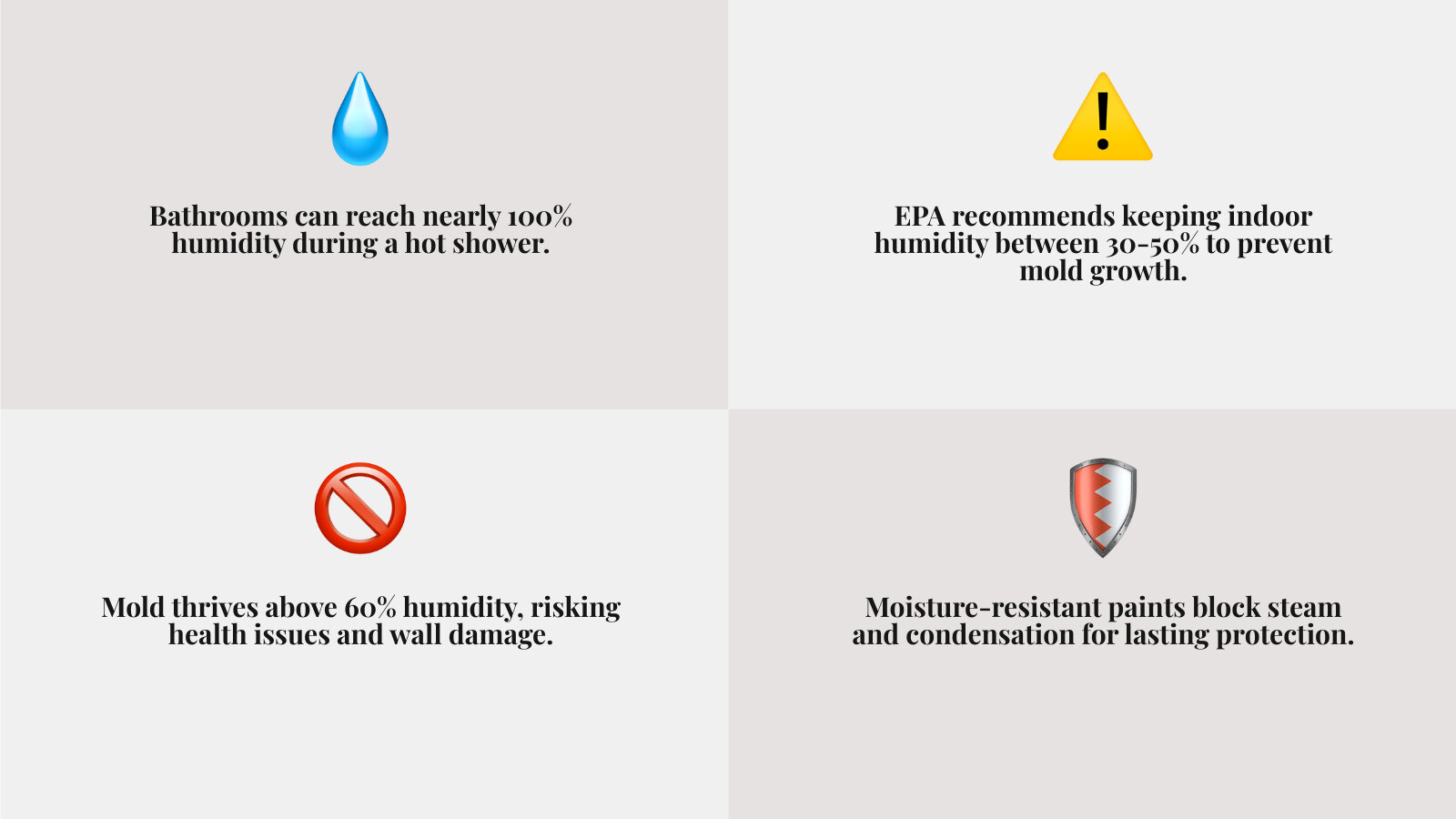
Bathrooms are the most demanding room in your home for paint. A hot shower can push humidity levels to nearly 100%. The EPA recommends keeping indoor humidity between 30–50% to prevent mold — but even with good ventilation, bathroom walls take a beating from steam, splashes, and constant temperature swings.
The right paint handles all of that without sacrificing color or style.
I’m Jean Hauser, owner of The Color House and a Benjamin Moore paint specialist with over two decades of experience helping Rhode Island homeowners find the right paint for bathrooms and every other room in their home. In this guide, I’ll walk you through everything you need to make a confident, lasting choice.
Choosing the Best Paint for Bathrooms
When we talk about the best paint for bathrooms, we aren’t just looking at a pretty color on a swatch. We are looking for a high-performance coating engineered to survive a tropical rainforest environment. In the past, the only way to get a “bathroom-safe” finish was to use a high-gloss oil-based paint that smelled like a chemical factory. Thankfully, as we move through April 2026, paint technology has evolved significantly.
Modern waterborne acrylic paints now offer incredible moisture-blocking capabilities and antimicrobial properties without the harsh fumes. One of our top recommendations at The Color House is Benjamin Moore Aura® Bath & Spa. This is a specialized product designed specifically for high-humidity environments. What makes it unique is its proprietary Gennex® Color Technology and Color Lock® technology. These ensure that even in a steamy bathroom, the color stays vibrant and doesn’t “weep” or develop surfactant leaching (those oily-looking streaks you sometimes see on bathroom walls).
Selecting the Right Finish: Satin vs. Semi-Gloss Paint for Bathrooms
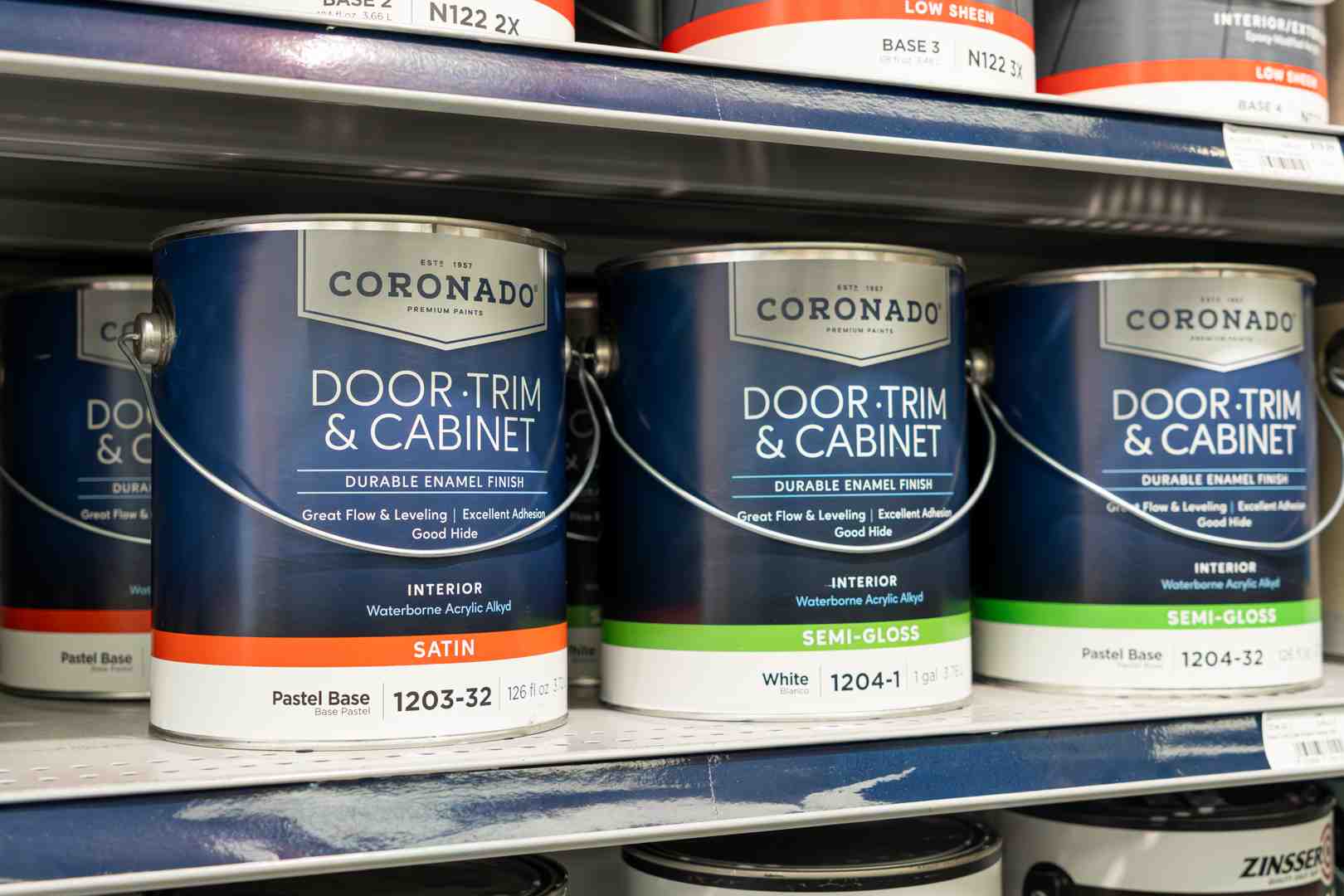
Choosing the right sheen is like picking out sunglasses for a sunny day—you need something that handles the glare but still looks great. Traditionally, semi-gloss was the gold standard for bathrooms because the higher resin content made it naturally water-resistant and easy to scrub. However, many homeowners find semi-gloss a bit too shiny for large wall areas, as it highlights every bump and imperfection in the drywall.
Here is how we break down the performance levels in our Rhode Island showrooms:
| Sheen | Performance in Humidity | Best Use Case |
|---|---|---|
| Matte (Specialized) | High (if using Aura Bath & Spa) | For a luxurious, spa-like look without the shine. |
| Satin | Very High | The “all-rounder.” Great balance of beauty and resilience. |
| Semi-Gloss | Extreme | Best for trim, baseboards, and very small, poorly ventilated baths. |
Satin finishes have become the most popular choice for paint for bathrooms in 2026. They offer enough “slip” for water to bead up and roll off, but they provide a softer, more sophisticated look than semi-gloss. If you have a busy family bathroom where kids are splashing water daily, satin or semi-gloss is your best bet for durability. For more details on the tools you’ll need for the job, check out our guide on interior paint supplies.
The Science of Mold- and Mildew-Resistant Paint for Bathrooms
Why is mildew resistance so essential? Because mold doesn’t just sit on the surface; it can actually feed on the organic components of traditional paint. Specialized bathroom paints contain fungicides that inhibit the growth of mold and mildew on the paint film.
When steam hits a cold wall, it turns back into liquid water (condensation). If your paint isn’t water-resistant, that moisture seeps into the drywall. This is where the science of waterborne acrylics comes in. These paints create a tighter “film” that prevents water penetration. At our Humphrey’s Paint Center – Middletown location, we often explain to customers that investing in a premium mildew-resistant paint is much cheaper than remediating a mold problem later. If you’re already seeing issues with your current paint, you might find our article on fixing common paint problems helpful.
Essential Preparation and Priming Techniques
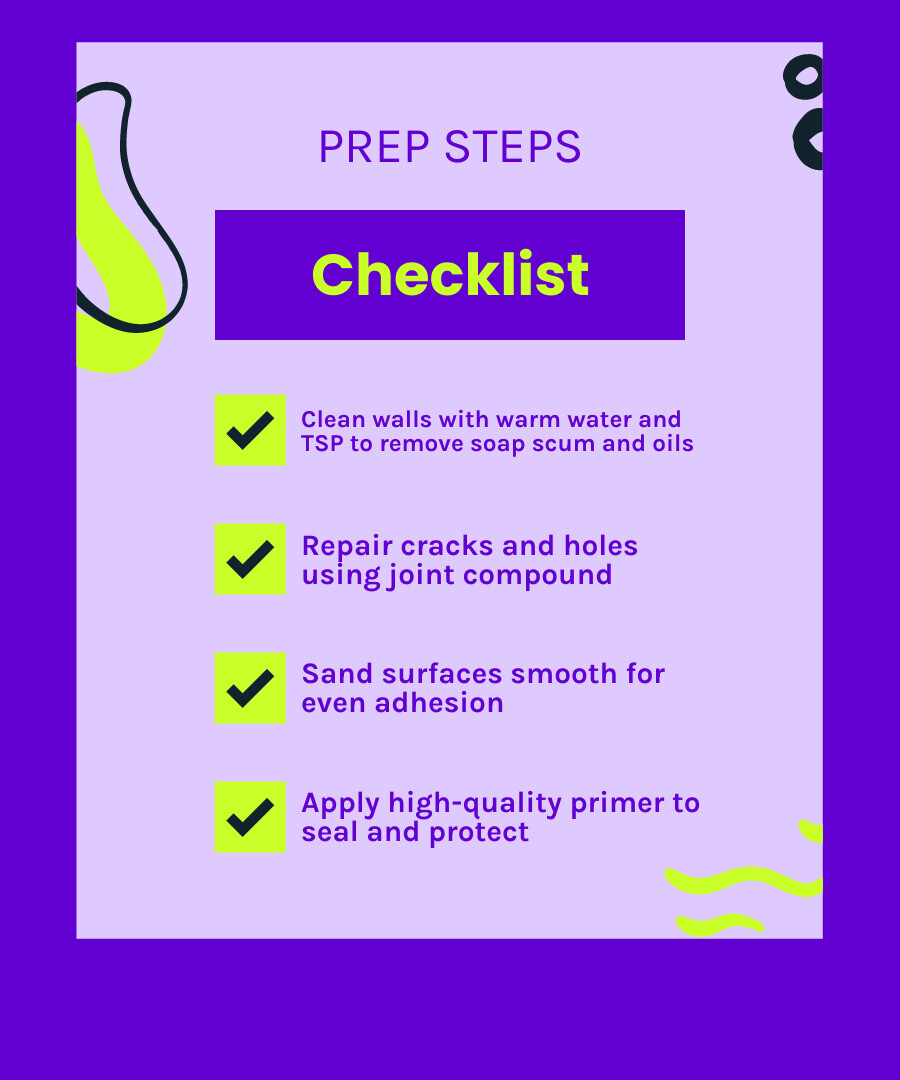
You wouldn’t build a house on a shaky foundation, and you shouldn’t put premium paint for bathrooms on a dirty wall. Bathrooms accumulate a hidden layer of hairspray, soap scum, and skin oils that prevent paint from sticking.
- Clean Thoroughly: We recommend cleaning the walls with a mixture of warm water and a mild detergent or trisodium phosphate (TSP). This cuts through the oils and ensures the paint can bond to the surface.
- Repair Damage: Check for any cracks or holes. Use a joint compound to fill imperfections, then sand them smooth once dry.
- Prime for Success: Should you use a primer? In a bathroom, the answer is almost always yes. A high-quality primer like Benjamin Moore Fresh Start provides a “bridge” between the old surface and the new paint. It seals the surface so the humidity doesn’t get underneath the new coat.
Using the right primers is especially critical if you are switching from an older oil-based paint to a modern waterborne acrylic, as it ensures proper adhesion.
Designing Your Sanctuary: Colors and Indoor Window Treatments
Once the technical side is handled, we get to the fun part: aesthetics. Your bathroom should be a refuge. Whether you’re getting ready for a busy day in North Kingstown or winding down in Wakefield, the color and light control provided by your indoor window treatments, such as blinds and draperies, dictate your mood.

Relaxing Color Palettes and Psychological Benefits
Color psychology plays a huge role in bathroom design. In 2026, we are seeing a move toward nature-inspired, “earthy” tranquility.
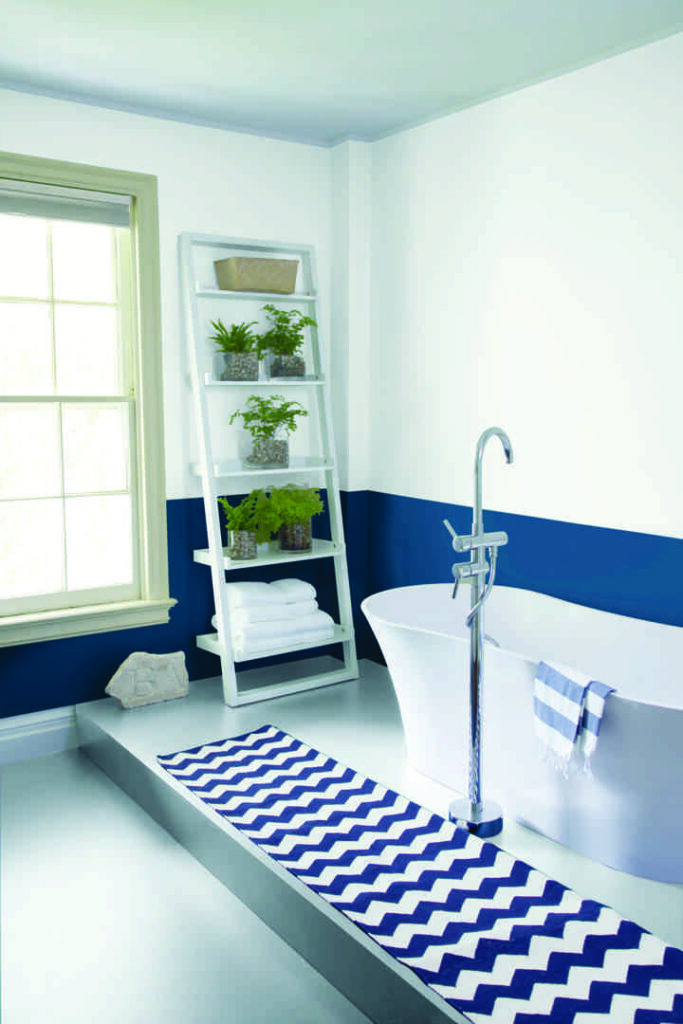
- Soft Blues and Aquas: Blue is known to lower heart rates and promote relaxation. It’s perfect for creating a spa-like sanctuary.
- Sage Greens: Green represents renewal and growth. It’s a refreshing choice for morning routines.
- Warm Neutrals: Think “greige” or soft sandy tones. These provide a clean, minimalist look that feels sophisticated and timeless.
- Dusty Pinks: Surprisingly, soft pinks can lighten the mood in vintage-style bathrooms and provide a flattering glow against skin tones in the mirror.
For a deeper dive into choosing the right hues, see The Ultimate Guide to Best Indoor Paint Colors for Walls or explore our favorite neutral interior paint colors.
Coordinating Indoor Moisture-Resistant Blinds and Draperies
Many people forget that paint for bathrooms is only half the battle; indoor window treatments are the other half. Because of the high humidity, traditional wood blinds can warp, and certain fabrics can become breeding grounds for mold.
We recommend indoor window treatments specifically designed for “wet” areas. Faux wood blinds are an excellent choice because they give you the warmth of wood but are made of composite materials that won’t warp or crack when exposed to steam. For a softer look, consider moisture-resistant drapery fabrics or cellular shades that provide privacy while standing up to the damp environment. These indoor elements work together with your paint to create a cohesive, durable design.
Professional Guidance for Your 2026 Renovation
Choosing the perfect paint for bathrooms can feel overwhelming with so many options on the market. That’s why we are here. The Color House is a women-owned business with deep roots in the Rhode Island community. From Smithfield to Cranston, we pride ourselves on offering a personalized alternative to the “big box” experience.
We don’t just sell you a gallon of paint; we offer expert advice on finishes, moisture control, and color coordination. If you’re struggling to visualize how a color will look under your bathroom’s specific lighting, our color consultation services can help you narrow down the choices.
Whether you need to visit us at THE COLOR HOUSE INC- Benjamin Moore Paint Store or one of our other four locations across the state, we have the largest inventory in RI to ensure your project stays on track.
Frequently Asked Questions About Bathroom Paint
Can I use flat or matte paint in a bathroom? Generally, we advise against standard flat paint because it is porous and absorbs moisture. However, premium products like Benjamin Moore Aura® Bath & Spa are specifically formulated to provide a matte finish that is still highly moisture-resistant and scrubbable.
How long should I wait to shower after painting? While the paint might feel dry to the touch in an hour, it takes time to “cure.” We recommend waiting at least 24 hours (and ideally 48–72 hours) before running a hot, steamy shower. This prevents the moisture from getting trapped in the drying paint film.
Are there eco-friendly options? Yes! Many of the premium Benjamin Moore paints we carry are low-VOC or zero-VOC. This is especially important in small bathrooms with limited ventilation, as it ensures you aren’t breathing in harmful chemicals during or after the application.
How important is ventilation? Extremely. Even the best paint for bathrooms will eventually fail if water is allowed to sit on the surface indefinitely. Always run your exhaust fan during and for 20 minutes after a shower to help the paint do its job.
By choosing the right products and taking the time to prepare your surfaces correctly, you can ensure your bathroom remains a beautiful, mold-free sanctuary for years to come. Stop by any of our Rhode Island locations today, and let’s get started on your transformation!