Design Roller Blinds: A Practical Guide
What Are Design Roller Blinds? A Quick Answer
Design roller blinds are custom window coverings made from a single panel of fabric that rolls up around a tube at the top of the window. They combine clean, modern style with practical light control — and they come in hundreds of fabrics, patterns, and finishes.
Here are the most popular design styles to know:
| Style | Best For | Light Control |
|---|---|---|
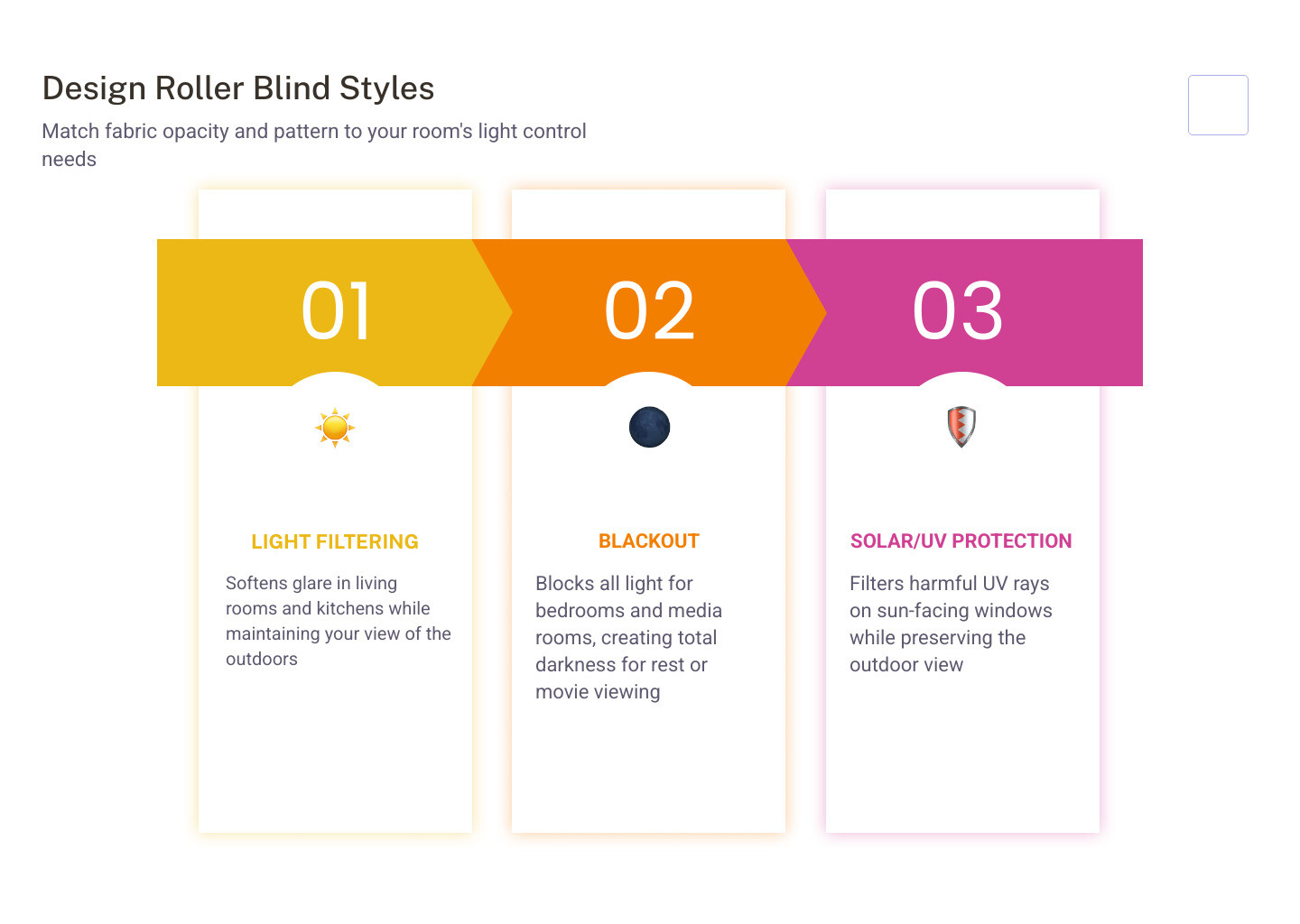
| Light filtering | Living rooms, kitchens | Softens glare, maintains view |
| Blackout | Bedrooms, media rooms | Blocks all light |
| Solar/UV | Sun-facing windows | Filters UV, preserves view |
| Botanical/patterned | Accent windows | Varies by fabric |
| Architectural/minimal | Contemporary interiors | Varies by fabric |
| Custom photo/print | Nurseries, unique spaces | Blackout or translucent |
Choosing the right window treatment can feel overwhelming — especially when you want something that looks great and works hard every day. Whether you’re trying to tame afternoon glare in a sunny living room, create total darkness in a bedroom, or simply add a design element that ties a room together, roller blinds are one of the most versatile and affordable solutions available.
They’re sleek. They’re practical. And with today’s options — from botanical weaves to architectural aluminum hardware to motorized smart home systems — they’ve become a genuine design statement, not just a functional afterthought.
I’m Jean Hauser, owner of The Color House and a window treatment specialist with over two decades of experience helping Rhode Island homeowners find the perfect fit for their spaces — including guiding clients through design roller blinds selections at our North Kingstown and Cranston showrooms, which are our dedicated locations for window treatments. In this guide, I’ll walk you through everything you need to confidently choose, measure, and install roller blinds that elevate your home.
Design roller blinds helpful reading:
Elevating Your Home with Custom Design Roller Blinds

When you begin exploring indoor window coverings, you will quickly notice the stark difference between generic, ready-made options and custom design roller blinds. While off-the-shelf blinds are highly affordable, they often leave awkward light gaps at the sides of your windows, use thinner fabrics that wear out quickly, and offer limited design choices.
Opting for custom-designed indoor roller blinds allows you to treat your windows as a canvas. With hundreds of exclusive materials, textures, and patterns available, you can design a product that perfectly coordinates with your home’s color palette and architectural style. Custom blinds are tailored to your window’s exact millimeter, eliminating the annoying halos of light that keep you awake at night. For a complete understanding of how these fit into your overall home design, check out our Window Treatments Complete Guide.
Roller Blinds vs. Other Window Treatments
To find the perfect style for your home, it helps to understand how roller blinds stack up against other popular window treatments:
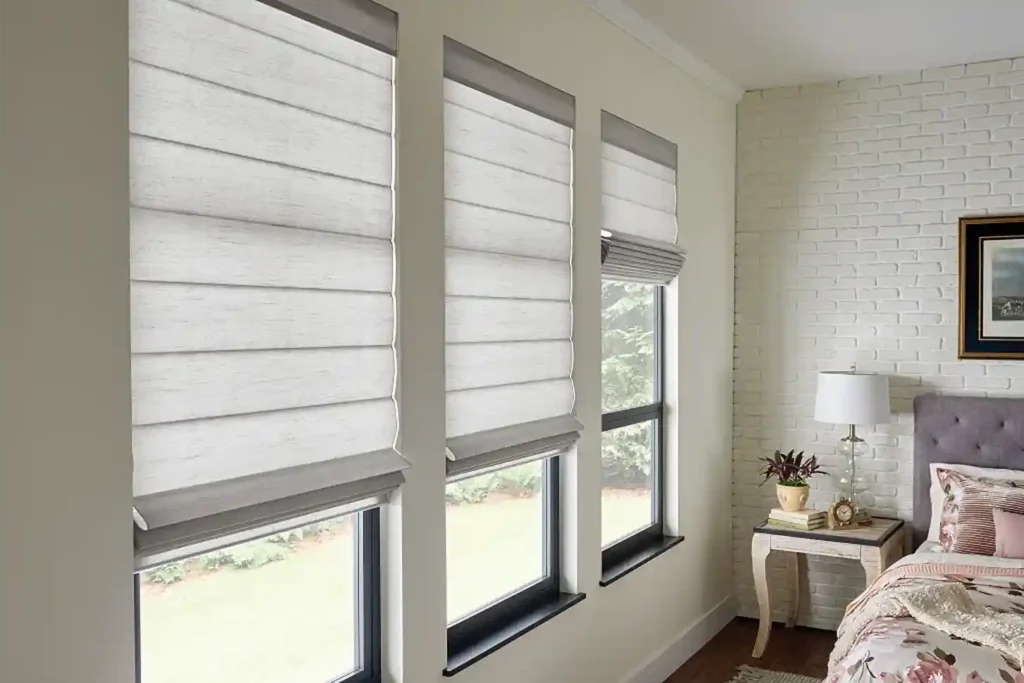
- Roman Blinds: Roman blinds combine the softness of drapery with the functionality of a shade. When raised, they fold into neat, decorative stacks. When lowered, they lay flat. While beautiful, they have a more traditional, heavier look than roller blinds, which roll up completely to leave your window glass entirely unobstructed.
- Venetian Blinds: Venetian blinds feature horizontal slats made of wood, faux wood, or metal. They offer excellent tilt control for light, but their many horizontal surfaces make them notorious dust-magnets.
- Roller Blinds: These offer a single, clean panel of fabric that rolls completely out of the way. They are the ultimate minimalist choice, providing a streamlined aesthetic that doesn’t compete with your room’s decor.
If you are looking for a hybrid solution that blends the clean lines of a roller blind with the light-shifting capabilities of a Venetian, you might also consider silhouette shades. You can read more about why these are so highly regarded in our article on Why Silhouette Blinds Are the Clear Choice. For more general options, explore our main Window Treatments page.
How to Choose Fabrics and Materials for Design Roller Blinds
The fabric you choose dictates how your roller blind handles light, privacy, and temperature. Today’s high-quality designer fabrics are engineered to perform specific tasks:
- Light Filtering: These fabrics soften harsh, direct sunlight into a warm, gentle glow. They are perfect for living areas, kitchens, and home offices where you want natural light but need to eliminate screen glare. Beautiful examples include the botanical Zen Made to Measure Roller Blind | Dunelm or the classic patterned William Morris Artichoke Daylight Made to Measure Roller Blind | Dunelm.
- Blackout: Essential for bedrooms, nurseries, and home theaters, blackout fabrics block all incoming light. High-quality custom options, like the William Morris at Home Marigold Blackout Made to Measure Roller Blind | Dunelm, feature specialized backings to prevent light leakage through the weave.
- Solar Shades: Solar shades are a subcategory of indoor roller blinds designed specifically to block harmful UV rays and control heat while preserving your view of the outdoors. They act like sunglasses for your windows, protecting your hardwood floors and artwork from fading.
In New England, where our summers are humid and winters are freezing, fabric choice also impacts your energy bills. Selecting a fabric with thermal or insulating properties can keep your home comfortable year-round. Learn more about optimizing your home’s climate in our guide on How to Choose Window Treatments That Save Energy in New England.
Control Options: Cordless, Motorized, and Smart Home Integration
The hardware of modern roller blinds is just as customizable as the fabric. How you operate your blinds affects both daily convenience and home safety:
- Cordless Lift: This is the modern standard for manual operation. Simply pull or push the bottom hem bar to position the blind exactly where you want it. This system eliminates messy, dangling cords entirely.
- Motorized Wand: A battery-powered motor hidden inside the roller tube is controlled by a sleek wand hanging to the side of the window. It offers effortless operation without the need for complex wiring.
- Smart Home Integration: Premium systems can be fully integrated into your smart home ecosystem. You can raise or lower your blinds using a remote, a smartphone app, or voice commands via Amazon Alexa, Google Assistant, or Apple HomeKit.
Smart blinds can even be programmed on automated schedules—for instance, lowering automatically at 2:00 PM to block the intense afternoon sun, or raising at sunrise to wake you up naturally. For a deeper dive into these advanced systems, take a look at our An Essential Guide to Graber Window Shades and our A Comprehensive Guide for Hunter Douglas Remote Control.
Current Trends in Design Roller Blinds
Roller blinds are no longer simple vinyl sheets. Current interior design trends have elevated them into high-end architectural features:
- Botanical and Heritage Patterns: Homeowners are embracing bold, nature-inspired prints. Traditional patterns, such as William Morris leaf and floral motifs, are experiencing a massive resurgence, bringing organic warmth to modern rooms.
- Textured Weaves: Linen-look fabrics, subtle tweeds, and ribbed textures add depth and tactile interest to minimalist spaces, preventing them from feeling cold or sterile.
- Architectural Hardware and Fascias: Modern installations often celebrate the hardware rather than hiding it. Systems like the Designer Roller Blinds: Elegance Meets Functionality feature extruded aluminum fascias that can be powder-coated in custom colors to match your window frames or trim, turning the roller mechanism into a sleek architectural detail.
Practical Guide to Measuring, Installing, and Maintaining Your Blinds
Getting the look you want requires precision. Even the most beautiful designer fabric will look sloppy if the blind is too wide or sags in the middle.
Measuring and Installing for a Perfect Fit
Before you pick up a tape measure, you must decide where you want to mount your blinds:
| Mount Type | Description | Pros | Cons |
|---|---|---|---|
| Inside Mount | Blinds are installed inside the window casing/recess. | Clean, flush, built-in look; highlights decorative window trim. | Requires minimum window depth; small light gaps occur at the sides. |
| Outside Mount | Blinds are mounted on the wall or trim outside the frame. | Blocks more light; makes windows look larger; hides unattractive trim. | Covers up decorative window molding; projects slightly into the room. |
If you plan to install the blinds yourself, you can learn how to make and assemble basic systems using helpful resources like How to make roller blinds | Simply Sewing. However, because custom window treatments require exact measurements to perform correctly, we highly recommend utilizing professional measuring and installation services. This ensures that your premium products, such as those detailed in The Ultimate Guide to Hunter Douglas Window Treatments, fit flawlessly.
Maintenance, Cleaning, and Child Safety Best Practices
To keep your design roller blinds looking brand new for years to come, establish a simple cleaning routine.
- Dusting and Vacuuming: Once a week, run a feather duster over your blinds or use your vacuum’s brush attachment on its lowest suction setting. Always support the fabric from behind with your hand while vacuuming to prevent it from crinkling or pulling.
- Spot Cleaning: If you get a mark on the fabric, spot clean it immediately. Use a soft cloth dampened with warm water and a tiny drop of mild dish soap. Wipe in gentle, circular motions. Never submerge your roller blinds in water, and avoid harsh chemical cleaners which can strip away protective UV or flame-retardant coatings.
Child and Pet Safety
Safety is the most important consideration when choosing window treatments. Traditional looped cords pose a severe strangulation hazard to curious toddlers and pets.
We strongly recommend opting for cordless or motorized systems in homes with children or pets. If you must use a corded system, ensure it is fitted with a safety breakaway clip or a tension device anchored securely to the wall. Keep all furniture, cribs, and toys positioned far away from windows to prevent children from climbing up to reach the cords.
Visit Our Dedicated Window Treatment Showrooms
If you are ready to see and feel these fabrics in person, we invite you to visit us. Please note that our North Kingstown and Cranston stores are our only showrooms for window treatments. At these locations, our design experts can guide you through our extensive library of Hunter Douglas and Graber options, helping you customize the perfect look for your Rhode Island home.
For more local inspiration and to start your design journey, explore our regional resources:
Whether you want to control the summer heat, block out the morning sun, or make a bold architectural statement, we are here to help you design the perfect roller blinds for your space. Stop by our Cranston or North Kingstown showrooms today to get started!