


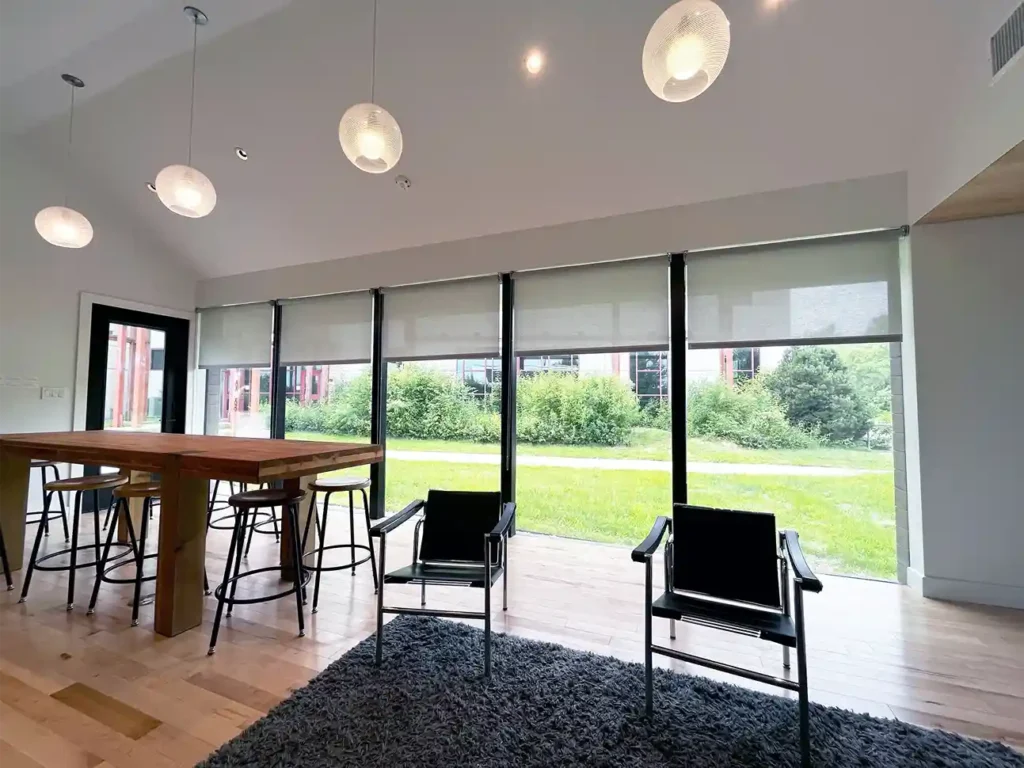
What Are Cellular Vertical Shades — and Are They Right for You?
Cellular vertical shades are a smart window treatment built from a honeycomb fabric structure, oriented vertically to cover large windows, sliding glass doors, and patio openings.
Quick answer for shoppers:
- Best for: Sliding glass doors, wide windows, and patio doors
- Key benefit: Honeycomb cells trap air to reduce heat transfer by up to 64%
- Size range: As narrow as 12 inches and as wide as 192 inches wide; 24 to 120 inches tall
- Safety: Available cordless and motorized — no accessible cords for kids or pets
- Stack options: Left, right, split center, or traveling center
- Opacity choices: Light filtering, sheer, or blackout
- Install time: Typically 60–90 minutes for DIY
If you’ve ever struggled to find a window treatment that actually fits a wide sliding door — one that looks polished, controls light well, and helps with energy bills — you’re not alone. Traditional vertical blinds can feel dated, and standard horizontal shades simply don’t work on tall, wide openings. Vertical cellular shades solve all three problems at once.
This guide walks through everything you need to know: how they work, what options exist, how to measure, and where to find expert help right here in Rhode Island.
I’m Douglas Caniglia, Director of Commercial and Industrial Sales at The Color House, and I work closely with our window treatment specialists to help Rhode Island homeowners find solutions — including cellular vertical shades — that balance beauty, function, and value. Our team is ready to help you make a confident choice.
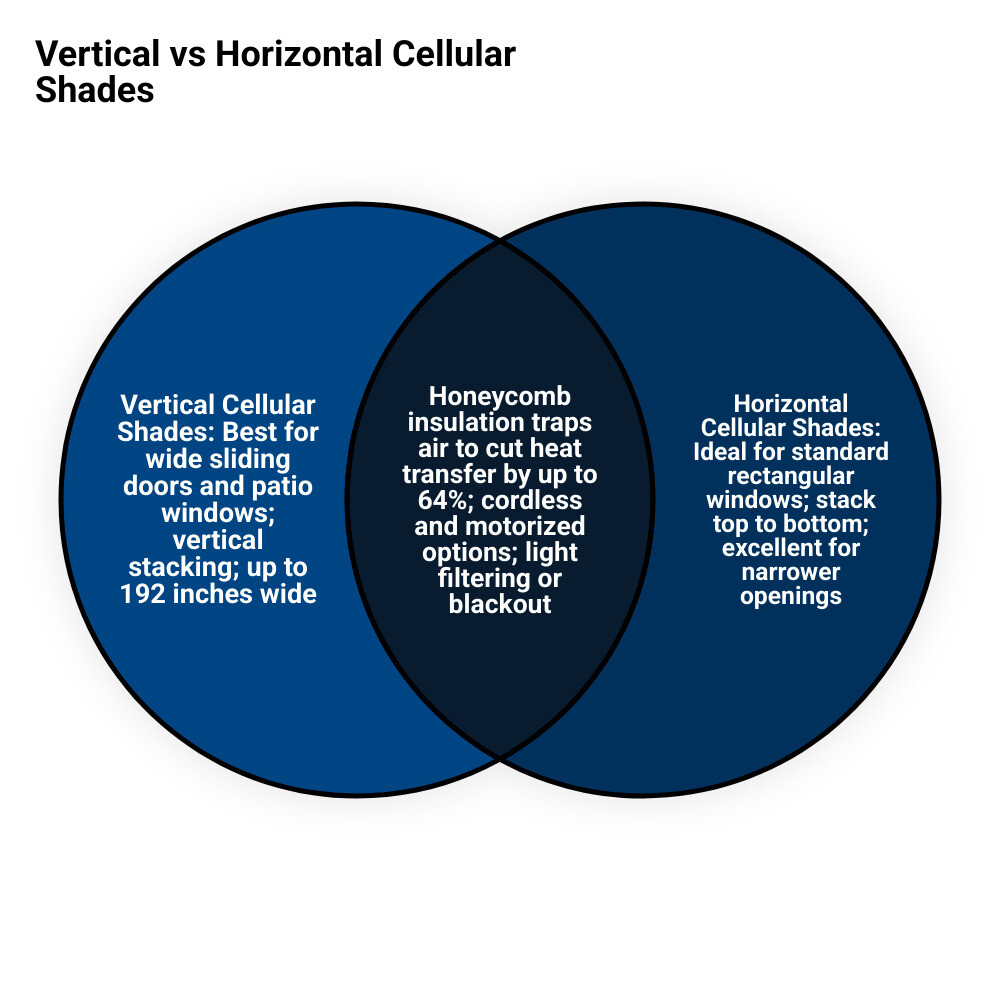
Similar topics to cellular vertical shades:
Why Choose Cellular Vertical Shades for Your Home

When finding the right fit for large expanses of glass, standard options often fall short. Choosing cellular vertical shades brings a unique combination of thermal protection, modern styling, and effortless functionality to your home.
Unlike traditional horizontal shades that must be pulled up and down—which can be incredibly heavy and awkward on a wide patio door—vertical honeycomb shades glide smoothly from side to side. This horizontal movement matches the natural operation of your sliding doors, making daily use intuitive and easy.
Safety is another major reason homeowners are making the switch. These shades feature a completely cordless design with no dangling cords or exposed inner cords. This makes them an exceptionally safe choice for households with active children and pets.
For those looking to coordinate their entire home, these shades are a perfect match. You can use standard horizontal cellular shades on smaller windows and matching vertical cellular shades on your sliding patio doors. To explore how these fit into a broader home design, check out The Ultimate Guide to Hunter Douglas Window Treatments.
Energy Efficiency of Cellular Vertical Shades
Large glass doors and windows are notorious for letting drafty winter air in and allowing expensive air conditioning to escape during hot New England summers. Vertical cellular shades act as a powerful barrier against this energy loss.
The secret lies in their cellular, honeycomb-shaped pockets. By trapping a layer of air between your room and the window glass, these shades create a highly effective pocket of insulation. In fact, premium vertical cellular shades can reduce heat transfer by up to 64% compared to non-cellular options. According to the U.S. Department of Energy, cellular shades are among the most energy-efficient window coverings you can install.
Whether you choose a single-cell or a double-cell design, these shades help stabilize indoor temperatures and lower your monthly heating and cooling costs. This makes them a wise long-term investment for local homeowners. For more tips on keeping your home comfortable, read our guide on How to Choose Window Treatments That Save Energy in New England.
Stacking and Operating Options for Cellular Vertical Shades
To ensure your shades function perfectly with the flow of your room, you can customize how they stack when opened. Operating on a heavy-duty, smooth-glide aluminum track, these shades slide with minimal effort.
Here are the primary stacking configurations available:
- Left Stack / Right Stack (One-Way Draw): The entire fabric panel glides to one side of the window. This is ideal for sliding doors where you want the fabric to stack on the fixed-glass side, keeping the walkway completely clear.
- Split Stack (Center Opening): The fabric splits down the middle, with half sliding to the left and half to the right. This mimics the classic look of draperies and works beautifully on wide windows.
- Traveling Center Stack: This highly versatile option allows the fabric stack to move freely across the entire track. You can position the fabric stack on the left, right, or anywhere in the middle to block bright sun while keeping your view open.
Fabric, Color, and Opacity Customizations
Choosing the right look for your home is easy with a wide array of premium fabrics, colors, and textures. Many vertical cellular shades are made from spunlace polyester, which offers a soft, drapery-like feel while remaining highly durable, stain-resistant, and crease-resistant.
No matter which interior color you select, many styles feature a uniform white backing facing the street. This ensures your home maintains clean, consistent curb appeal from the outside while allowing you to play with bold colors on the inside.
When ordering, you can select from several popular opacity levels depending on your light control and privacy needs:
- Sheer: Diffuses harsh sunlight while preserving your view of the outdoors.
- Light Filtering: Softly filters incoming sunlight to brighten the room while providing complete privacy from onlookers.
- Blackout: Blocks out virtually all incoming light, making it the perfect choice for media rooms, bedrooms, or nurseries.
Comparing Vertical Honeycomb Shades to Traditional Alternatives
If you are replacing old window coverings, you might be deciding between vertical cellular shades and traditional vertical PVC blinds. While vinyl vertical blinds have been a standard choice for decades, they come with several drawbacks. They can be noisy when the wind blows, they easily collect dust, and they offer very little insulation.
Vertical cellular shades offer a much quieter, softer, and more energy-efficient alternative. Additionally, their fabric construction naturally dampens sound, helping to reduce echo in large rooms with hardwood floors.
| Feature | Vertical Cellular Shades | Traditional Vertical Blinds |
|---|---|---|
| Insulation | High (reduces heat transfer up to 64%) | Low (minimal thermal barrier) |
| Noise Level | Silent operation; absorbs room echo | Noisy clacking when breeze blows |
| Cords & Safety | 100% cordless; highly child-safe | Often use safety-hazard cords or chains |
| Maintenance | Dust-resistant, anti-static fabric | Slats require frequent wiping; can warp |
| Aesthetics | Modern, seamless, drapery-like look | Traditional, segmented look |
Measuring and Installing Your New Window Coverings
One of the best things about modern custom window treatments is how easy they are to measure and install. Over 99% of customers successfully measure and install their own vertical cellular shades without a hitch.
When planning your layout, you’ll need to choose between two mounting styles:
- Inside Mount: The shade is installed inside the window casing, offering a clean, flush look. This requires a minimum window frame depth (often around 1 1/4 to 1 3/4 inches for basic mounting, and up to 2 7/8 inches for a completely flush fit).
- Outside Mount: The shade is mounted on the wall or trim above the window opening. This is the ideal solution if your window casing is too shallow, or if you want to eliminate light leaks around the edges. When measuring for an outside mount, we recommend adding 3 inches of width to each side to ensure complete coverage.
With a few basic tools like a screwdriver and tape measure, most homeowners can complete the installation in 60 to 90 minutes. For local advice on choosing and fitting your blinds, check out our guide to Window Treatments RI.
Finding the Perfect Fit in Rhode Island
At The Color House, we understand that selecting custom window treatments is a personal decision that shapes the comfort of your home. While we have multiple locations throughout Rhode Island, please note that our North Kingstown and Cranston stores are our only showrooms for window treatments.
Visiting these dedicated showrooms allows you to see, touch, and test our vertical cellular shades in person. Our experienced design team will help you navigate fabric options, stacking styles, and precise measurements to ensure a flawless fit.
If you’re ready to upgrade your home’s comfort and style, we invite you to stop by for expert advice and personalized service. You can learn more about our local services and explore our offerings by visiting our pages for Window Treatments North Kingstown RI, Window Treatments Cranston RI, and The Color House Window Treatments. Let us help you find the perfect shading solution for your home today!