
Why Industrial Commercial Coatings Painting Contractors Matter
Industrial commercial coatings painting contractors are specialized professionals who protect and extend the life of commercial and industrial facilities through the application of high-performance protective coatings. Unlike standard painters, these contractors bring expertise in surface preparation, advanced coating systems, and strict safety protocols to handle everything from epoxy floors to tank linings and waterproofing.
Quick Answer: What to Look For When Hiring
- Certifications – AMPP (QP1/QP2), SSPC, OSHA 10/30, EPA Lead-Safe Certified
- Experience – 25+ years in industrial/commercial projects, proven portfolio
- Safety Record – Low EMR rating, comprehensive safety programs
- Services – Surface prep (sandblasting, water blasting), protective coatings, epoxy flooring, waterproofing
- Equipment – State-of-the-art plural-component sprayers, proper surface prep tools
- Project Management – Dedicated managers, clear timelines, minimal downtime
The stakes are high when it comes to protecting your facility. A paint failure in a manufacturing plant isn’t just an aesthetic problem—it can mean costly downtime, safety hazards, and shortened equipment lifespan. As one construction professional noted about working with a qualified contractor: “National Coatings Inc. offers superior services, strong leadership, and an exceptional record of compliance with OSHA standards.”
Why This Matters for Your Facility
The right coating contractor doesn’t just apply paint—they engineer protection. Top-tier contractors hold certifications from organizations like the Association for Materials Protection and Performance (AMPP), including QP1 and QP2 ratings. These certifications signify proven expertise, specialized equipment, and adherence to rigorous safety and environmental standards, which are essential for complex industrial work.
The industry has evolved significantly, with leading firms utilizing advanced technology and maintaining safety ratings that far exceed national standards. This level of professionalism ensures your project is handled with the utmost care, protecting your investment and minimizing risk.
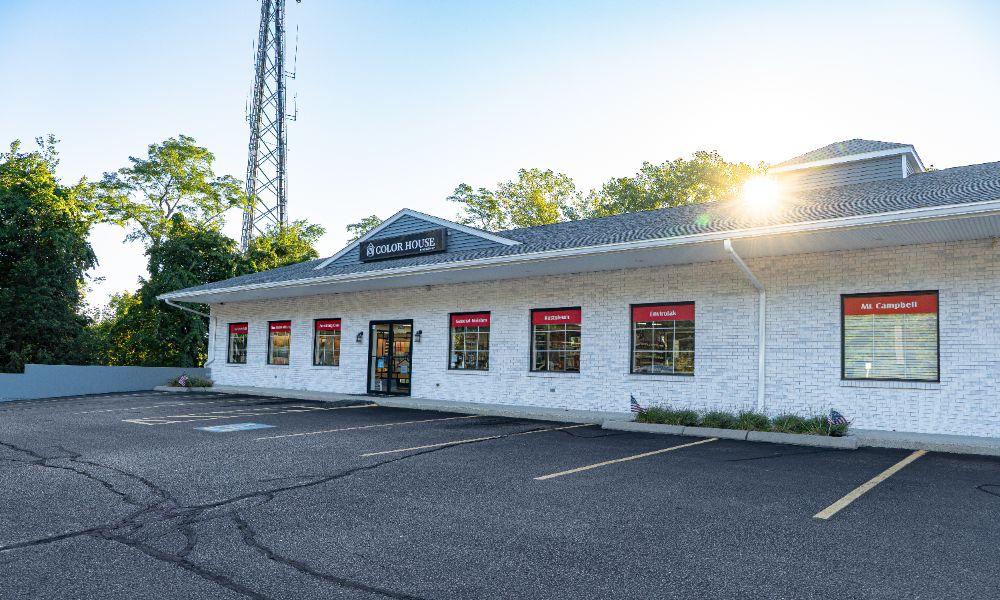
I’m Douglas Caniglia, Director of Commercial and Industrial Sales at The Color House, where I lead our industrial division with over 60 years of experience providing high-performance coatings and expert guidance to industrial commercial coatings painting contractors and facility managers throughout Rhode Island. I work directly with trade professionals to solve complex coating challenges and ensure projects deliver lasting durability in demanding environments.
Understanding the Role and Scope of Coating Contractors
When we talk about industrial commercial coatings painting contractors, we’re discussing a specialized field far removed from residential painting. These professionals are the guardians of our infrastructure, ensuring that industrial facilities and commercial buildings are robustly protected against the elements, wear, and harsh operating conditions. Their work is an investment in the longevity and operational efficiency of any structure.
For businesses across Rhode Island, these specialized services are paramount, providing long-term value and a significant return on investment through improved durability and minimized maintenance. You can learn more about the breadth of these specialized services by visiting our page on industrial-commercial solutions.
Core Services Offered by Industrial Commercial Coatings Painting Contractors
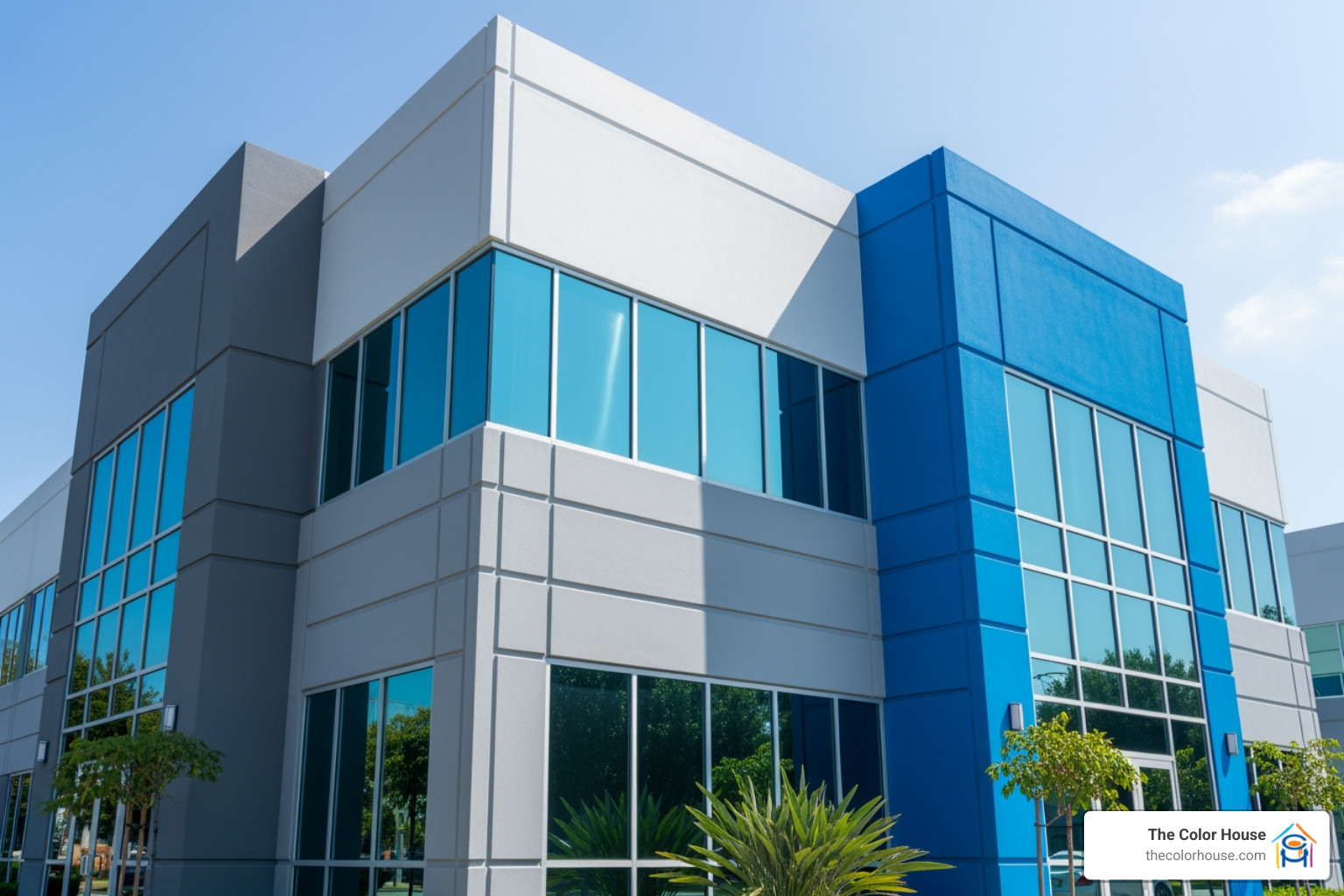
The services provided by industrial commercial coatings painting contractors are extensive and highly specialized, going far beyond a simple coat of paint.
Here’s a closer look at what these expert contractors bring to the table:
- Surface Preparation: The most critical step for coating success, employing methods like:
- Abrasive Blasting / Sandblasting: Using high-pressure air to propel media against a surface to remove contaminants and create an optimal profile for adhesion.
- High-Pressure Water Blasting (Hydro Blasting): Using water at extreme pressures to clean surfaces, often with less dust than abrasive blasting.
- Other Methods: Including chemical cleaning, solvent cleaning, and power or hand tool cleaning, chosen based on the substrate.
- Protective Coating Application: Changing vulnerable surfaces into resilient assets.
- Epoxy Flooring: A durable, chemical-resistant choice for industrial floors, warehouses, and manufacturing plants. Products like Sealkrete are often used.
- Urethane Coatings: Known for flexibility and UV stability, often used as a topcoat over epoxies.
- Waterproofing: Applying membranes and sealants like Rain Guard Pro to prevent water intrusion and structural damage.
- Tank Linings: A specialized service to protect the interior of storage tanks from corrosion.
- Concrete Restoration: Repairing and resurfacing damaged concrete using products from companies like Euclid Chemical before coating.
- Fireproofing: Applying intumescent or cementitious coatings to insulate structural steel and delay collapse during a fire.
- Architectural & Specialty Coatings: Includes aesthetic exterior coatings, anti-graffiti coatings, and anti-microbial coatings for healthcare facilities.
For a deeper dive into these offerings, explore our commercial services page or review the comprehensive offerings discussed on this page detailing commercial painting, coating, and waterproofing services.
Industries That Rely on Specialized Coatings
The need for specialized coatings spans a diverse range of industries, where they are fundamental to operational safety, efficiency, and compliance. Key sectors include manufacturing facilities, food and beverage processing, warehouses, healthcare and hospitals, water/wastewater treatment plants, power generation, government facilities, commercial real estate, and the marine industry. You can also explore our broader offerings on our category commercial page.
The Major Benefits of Hiring a Specialist
Choosing a specialized industrial commercial coatings painting contractor offers benefits a general painter cannot match.
Here are the key advantages:
- Unparalleled Expertise: Specialists possess in-depth knowledge of substrates, coating technologies, and application techniques, ensuring the right product is chosen and applied correctly.
- Improved Durability and Longevity: Expert application of industrial-grade coatings extends the lifespan of your assets, reducing long-term costs.
- Strict Safety Compliance: Specialized contractors are well-versed in OSHA regulations and other critical safety standards, minimizing risk during project execution.
- Efficiency and Minimized Downtime: Experts plan projects to minimize disruption, often working off-hours to reduce costly downtime.
- Proper Equipment and Technology: Specialists invest in state-of-the-art equipment, from surface prep machinery to plural-component sprayers, for optimal results.
- Access to High-Performance Products: These contractors have access to a wide range of industrial-grade coatings, such as Rust-Oleum coatings, and can select the best solution for your needs.
- Warranty and Accountability: Reputable industrial commercial coatings painting contractors stand behind their work, offering warranties on materials and labor.
By engaging qualified contractors, you’re investing in peace of mind and the long-term protection of your valuable assets.
What to Look for in Industrial Commercial Coatings Painting Contractors
Selecting the right industrial commercial coatings painting contractor is a critical decision that impacts the longevity and safety of your facility. A thorough vetting process is essential to ensure you partner with a team that has the experience and capabilities to deliver exceptional results in Rhode Island.
Key Qualifications for Industrial Commercial Coatings Painting Contractors
When evaluating potential contractors, certain qualifications and certifications are clear indicators of their expertise and commitment to quality.
Here’s what to look for:
- Essential Certifications:
- AMPP (Association for Materials Protection and Performance) Certifications (QP1, QP2): The gold standard. QP1 certifies field application quality, while QP2 covers hazardous paint removal. They demonstrate proven expertise and adherence to strict safety and environmental standards.
- NACE/SSPC Certifications: Certifications from the National Association of Corrosion Engineers or the Society for Protective Coatings show a commitment to rigorous standards for surface prep and application.
- OSHA 10 & 30 Certifications: This training ensures a strong safety culture on site, with OSHA 10 for workers and OSHA 30 for supervisors.
- EPA Lead-Safe Certified Firm: This is mandatory for projects involving lead-based paint in pre-1978 buildings to ensure safe work practices.
- Years of Experience: Look for contractors with a long-standing history—ideally decades—in the industrial and commercial sector. Deep experience means they’ve successfully steerd a wide array of complex challenges.
- Project Portfolio: A strong portfolio showcasing projects similar to yours is invaluable. Ask for case studies or references specific to your industry.
- Client Testimonials and References: What do previous clients say? Testimonials highlighting professionalism, quality, and adherence to schedule are excellent indicators. Some top contractors are even featured in reputable publications like This Old House for their quality work.
Ensuring Safety and Quality on Every Project
For industrial commercial coatings painting contractors, safety and quality are inseparable. A top-tier contractor will have a comprehensive safety program and rigorous quality control.
- Robust Safety Programs: Look for a low EMR (Experience Modification Rate), which indicates a strong safety record. The contractor should provide site-specific safety plans, regular training, and have protocols for high-risk activities like confined space entry.
- Rigorous Quality Control Checks: Quality assurance should be built into every stage. This includes adherence to SSPC standards for surface preparation, following manufacturer specifications from Technical Data Sheets (TDS), and having certified quality control personnel on staff to ensure coatings are applied correctly. This is critical for industrial coating done right in any weather.
Project Management and Client Communication
Effective project management and clear communication are essential for a successful outcome, especially on complex projects in Rhode Island.
Here’s what to expect from a well-managed project:
- Detailed Proposals & Clear Scope: The proposal should clearly outline the scope of work, materials, costs, timeline, and warranty, leaving no room for ambiguity.
- Dedicated Project Managers: A single point of contact is crucial for seamless communication and problem-solving.
- Realistic Timelines & Flexibility: A clear schedule with key milestones is essential. The contractor should be able to work around your schedule, including nights and weekends, to minimize disruption.
- Regular Progress Updates: Expect proactive communication regarding project status, potential issues, and upcoming activities, often using technology for efficient reporting.
- Final Walkthrough and Sign-off: A thorough walkthrough ensures all work meets expectations. Any punch list items should be addressed promptly before final sign-off.
The Technical Side: Coatings, Technology, and Trends
The world of industrial and commercial coatings is a blend of science and practical application. For industrial commercial coatings painting contractors in Rhode Island, staying current with the latest developments is a necessity to provide effective, sustainable, and cutting-edge solutions.
You can explore more about these advancements on our introducing industrial coatings page.
The Difference Between Commercial Painting and Industrial Coatings
While both involve applying a liquid to a surface, their purposes, properties, and application methods are vastly different. Understanding this is crucial when selecting a contractor and materials for your facility.
Here’s a comparison:
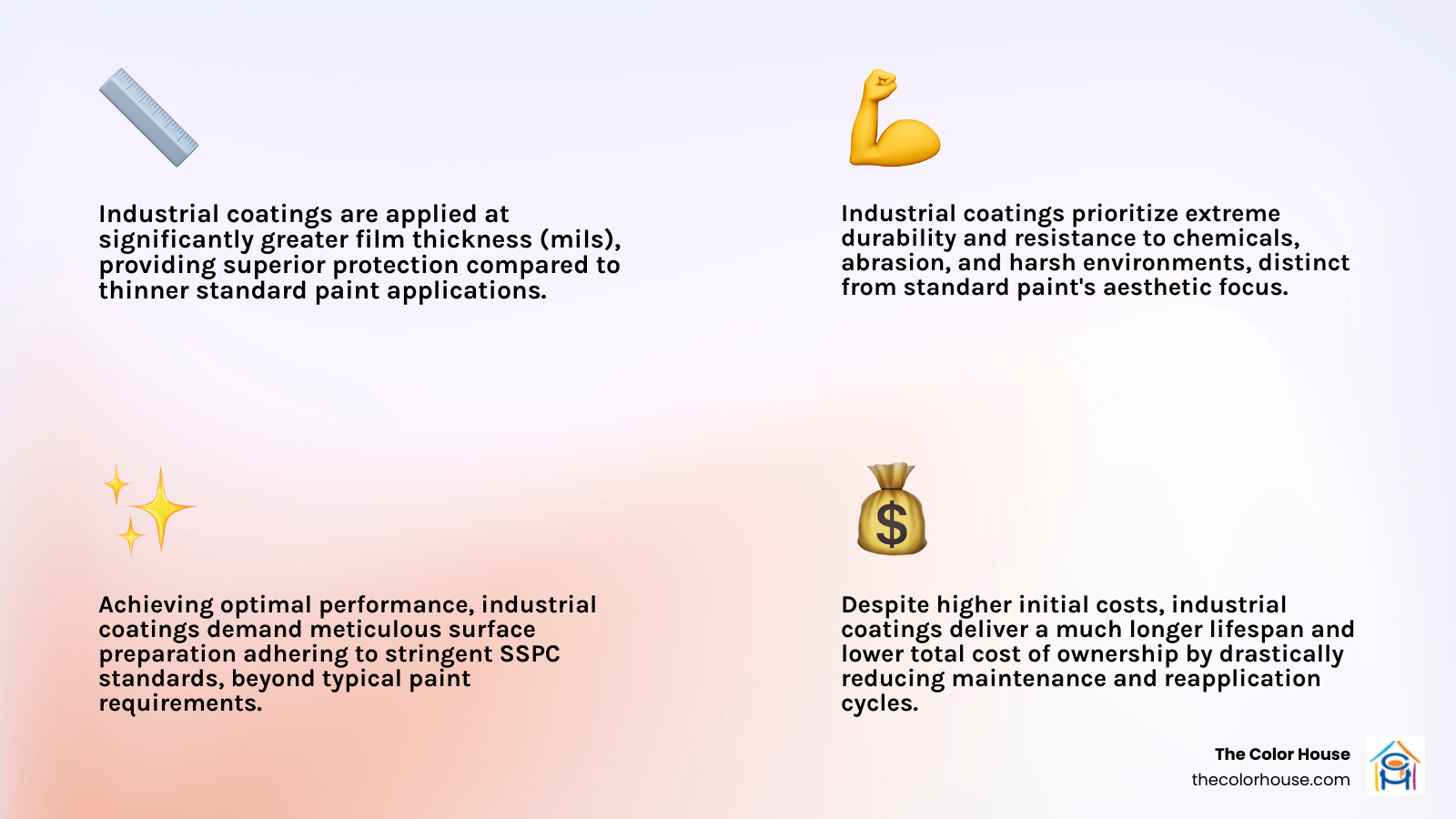
| Feature | Commercial Painting | Industrial Coatings |
|---|---|---|
| Purpose | Aesthetics, brand image, light protection | Protection, performance, durability, safety, chemical resistance |
| Thickness | Thin film (typically 1-3 mils) | Thick film (often 5-100+ mils, multi-coat systems) |
| Surface Prep | Cleaning, light sanding, priming | Intensive (abrasive blasting, hydro blasting, SSPC standards) |
| Durability | Moderate, designed for visual appeal | Extreme, designed for harsh environments, abrasion, chemicals, impact |
| Cost | Generally lower initial cost | Higher initial cost, but lower long-term maintenance cost |
| Key Focus | Color, finish, quick turnaround | Longevity, performance, safety, compliance |
In short, commercial painting prioritizes aesthetics, while industrial coatings are engineered for protection and performance. Industrial systems are applied in thicker, multi-coat layers and are formulated to resist corrosion, chemicals, and abrasion in ways standard paints cannot. For a more comprehensive understanding, dig into our industrial coatings a comprehensive guide.
The Role of Technology in Modern Coating Applications
Technology has revolutionized how industrial commercial coatings painting contractors work, enhancing efficiency, precision, and safety.
- Plural-Component Sprayers: These systems precisely mix and apply multi-component coatings (like epoxies and urethanes) for rapid curing, ensuring optimal performance and reduced downtime. Leading brands include Wagner and Titan.
- Advanced Surface Preparation Tools: Beyond traditional methods, contractors use specialized equipment like ultra-high-pressure water jets and dustless blasting systems. Precision tools from brands like Festool and Mirka contribute to superior results.
- Digital Measuring and Estimation Tools: Software and laser devices allow for highly accurate measurements, leading to precise material ordering and transparent bids.
- GPS and Biometric Tracking for Crews: On large projects, this technology helps monitor crew location and progress, ensuring accountability.
- Drones for Inspection: Drones can safely and efficiently inspect hard-to-reach areas on large structures like tanks and roofs, identifying issues without costly scaffolding.
Innovations and Trends in the Coatings Industry
The coatings industry is constantly evolving, driven by demands for better performance and environmental responsibility.
- Low-VOC and Water-Based Coatings: Driven by environmental and health concerns, these coatings reduce harmful emissions while offering high performance. Products like Envirolak industrial coatings are excellent examples.
- Anti-Graffiti Coatings: These create a non-stick surface that makes graffiti easy to clean without damaging the underlying paint.
- Thermal Insulating Coatings (TICs): These coatings contain materials that provide a thermal barrier, helping to save energy costs on pipes, tanks, and buildings.
- Fast-Curing Polyaspartic Coatings: Popular for floors, polyaspartics cure rapidly for a quick return to service and offer excellent durability and UV stability.
- Smart Coatings with Self-Healing Properties: An emerging technology where coatings are designed to repair minor scratches autonomously, extending their lifespan.
Staying informed about the right industrial coating options is crucial for maximizing performance and value.
Frequently Asked Questions about Industrial & Commercial Coatings
We often hear similar questions from our clients in Rhode Island when they are considering projects involving industrial commercial coatings painting contractors. Here, we address some of the most common inquiries.
How long do industrial coatings last compared to regular paint?
The lifespan of industrial coatings dramatically exceeds that of regular paint, often lasting 10-20+ years. However, longevity depends on several factors:
- Environmental Conditions: The harshness of the environment (chemical exposure, UV radiation, abrasion) is a major factor. A coating on a coastal tank won’t last as long as one in a climate-controlled warehouse.
- Surface Preparation Quality: Proper surface preparation is paramount. A coating applied to a poorly prepared surface will fail prematurely, regardless of its quality.
- Coating Type: Different coatings are formulated for different purposes. A high-solids epoxy floor coating offers far greater durability than a standard acrylic paint. Specialty products like Sayerlack industrial coatings are engineered for specific, high-performance applications.
- Application Quality: The skill of the industrial commercial coatings painting contractors directly affects performance. Correct film thickness and proper curing are essential.
- Maintenance Schedule: Regular cleaning and minor repairs can significantly extend the life of any coating system.
In summary, a properly specified and applied industrial coating provides robust protection for many years, offering a superior long-term investment over regular paint.
Can you apply coatings in an active facility?
Yes. Experienced industrial commercial coatings painting contractors are skilled at working within active facilities to minimize disruption.
Strategies employed to achieve this include:
- Minimizing Disruption: Contractors plan projects around your production schedules and workflow.
- Off-Hours Work: Many projects are scheduled during nights, weekends, holidays, or planned shutdowns to avoid interfering with business.
- Containment Strategies: Advanced containment systems (temporary walls, negative air machines) are used to isolate work areas and control dust and fumes.
- Low-Odor and Fast-Curing Products: Using low-VOC or fast-curing coatings allows for a quicker and more comfortable return to service.
- Phased Project Plans: Large projects can be broken into smaller phases, allowing parts of the facility to remain operational.
The goal is always to deliver a high-quality coating solution while maintaining your business’s productivity.
What is the most important factor for a successful coating project?
While many elements are important, the single most critical factor for a successful coating project is surface preparation.
It’s a universal truth among industrial commercial coatings painting contractors that even the most advanced coating will fail if the surface isn’t properly prepared. A coating is only as strong as its bond to the substrate.
Here’s why surface preparation is paramount:
- Adhesion: Proper prep creates a clean, sound, and profiled surface that the coating can grip. Without it, the coating will peel, flake, or blister.
- Removing Contaminants: Prep removes barriers like rust, grease, oil, and dirt that prevent the coating from bonding to the substrate.
- Creating a Surface Profile: Many industrial coatings require a specific roughness, or “profile,” created by methods like abrasive blasting, to achieve a strong mechanical bond.
- Following SSPC Standards: Reputable contractors adhere to Society for Protective Coatings (SSPC) standards for surface preparation, ensuring a consistent and effective foundation.
Investing in thorough surface preparation by skilled industrial coatings specialists is the most critical investment you can make to ensure the longevity and success of your project.
Conclusion
Choosing the right industrial commercial coatings painting contractors for your facility in Rhode Island is a strategic decision that impacts the durability, safety, and efficiency of your assets. We’ve explored the diverse services these specialists offer, the critical industries they serve, and the benefits of their expertise, from improved durability to strict safety compliance.
We’ve also dug into the essential qualifications to look for, emphasizing certifications like AMPP and SSPC, a proven track record, and robust safety programs. Understanding the technical differences in coatings and the importance of project management empowers you to make an informed decision.
Due diligence in selecting your contractor, with a keen eye on their surface preparation capabilities, is your best defense against premature coating failure. It’s an investment that pays dividends in long-term asset protection and peace of mind.
For industrial commercial coatings painting contractors and facility managers in Rhode Island, sourcing the right high-performance products is crucial. The Color House offers expert advice and the largest local inventory of commercial and industrial coating solutions. We are here to support your projects with the best materials and insights, ensuring your investment in protective coatings stands the test of time.