


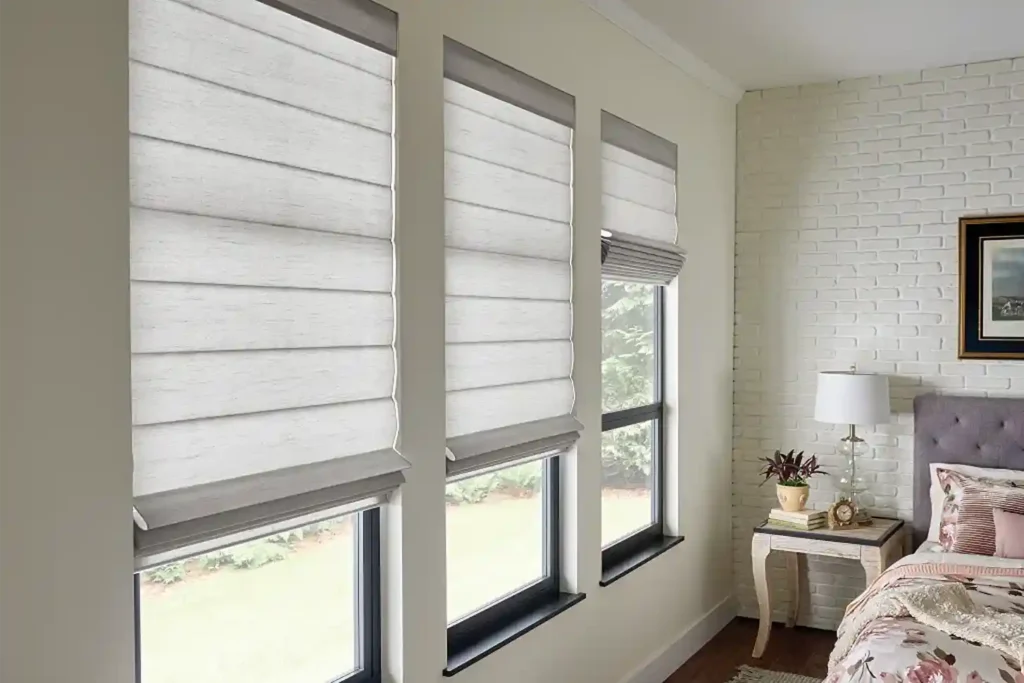
Why Soft Shades for Windows Belong in Every Home
Soft shades for windows are one of the easiest ways to control light, add privacy, and make any room feel more polished — all at the same time.
Not sure which type is right for you? Here’s a quick answer:
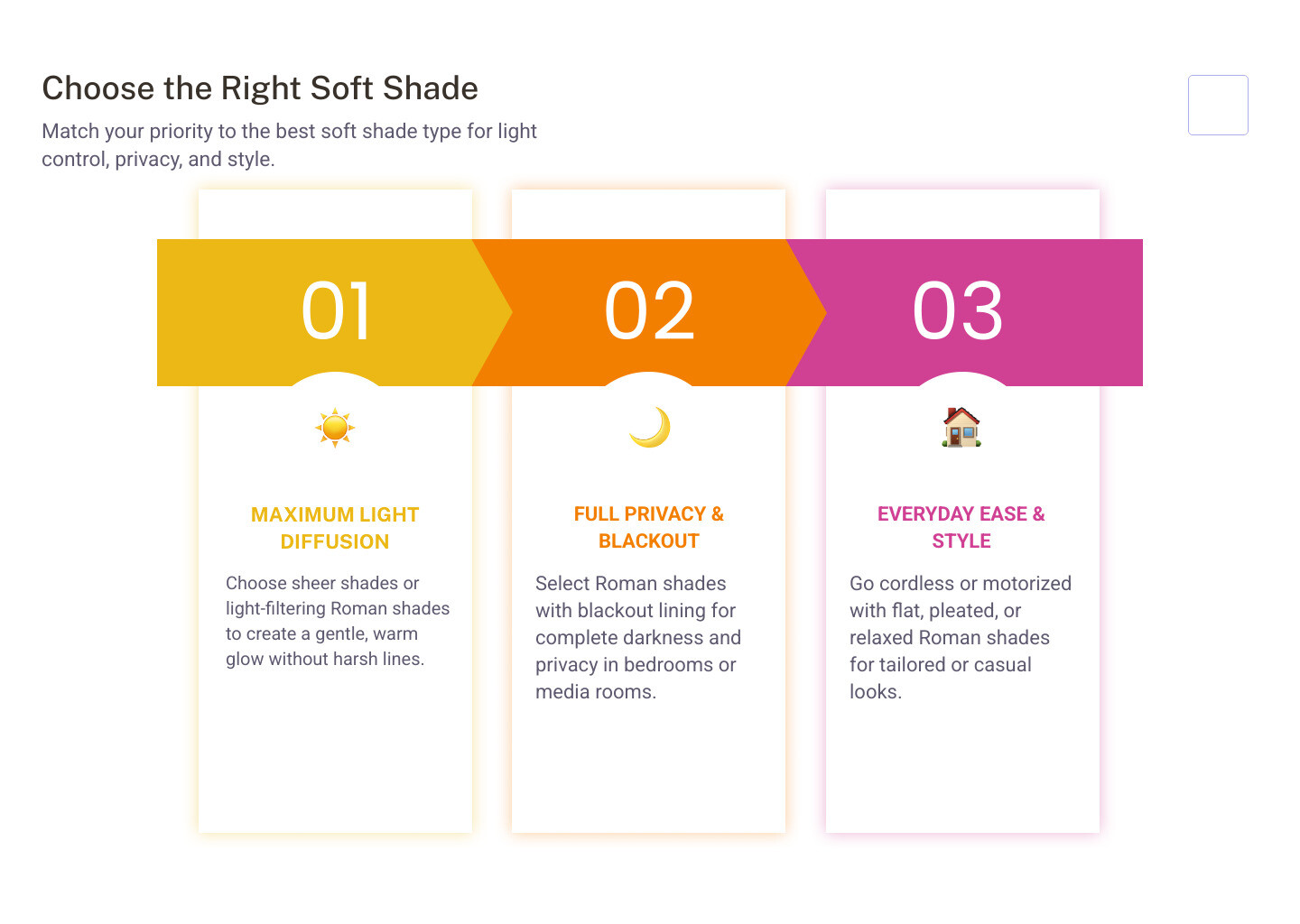
Best soft shades by need:
| Your Priority | Best Soft Shade Type |
|---|---|
| Maximum light diffusion | Sheer shades or light-filtering Roman shades |
| Full privacy or blackout | Roman shades with blackout lining |
| Everyday ease | Cordless or motorized options |
| Classic, tailored look | Flat or pleated Roman shades |
| Relaxed, casual style | Relaxed or hobbled Roman shades |
Unlike hard horizontal blinds, soft shades are made from fabric. That means they filter light rather than block it in harsh slats. The result is a warmer, gentler glow — not a striped pattern on your floor.
They also come in a wide range of styles, from airy sheers that barely whisper to fully lined Romans that darken a bedroom completely. Whether your home is modern, traditional, or somewhere in between, there’s a soft shade that fits.
And the options go well beyond just picking a fabric. You can add linings, motorization, decorative trims, and more — all customized to your exact window size.
I’m Jean Hauser, owner of The Color House and a designer with over two decades of experience helping Rhode Island homeowners find the right soft shades for windows that balance beauty, function, and budget. If you’re ready to explore your options in person, our North Kingstown and Cranston showrooms are our only locations featuring a full window treatment selection — and our team is there to guide you every step of the way.
Simple guide to soft shades for windows terms:
What Are Soft Shades for Windows?

When we talk about soft shades for windows, we are referring to window treatments constructed primarily from flexible fabric materials rather than rigid wood, metal, or plastic. Traditional blinds rely on hard, overlapping slats to block out the sun, which can sometimes feel clinical or harsh. Soft shades, on the other hand, bring a touch of textile warmth to your home. They fold, cascade, or roll gracefully, turning incoming sunlight into a soft, diffused glow.
If you are trying to choose soft privacy shades, understanding how they manage light is key. They offer the perfect middle ground between the structured operation of a blind and the flowing elegance of drapery. By using lightweight, translucent fabrics, soft shades allow natural daylight to filter into your living spaces while keeping your home private from the outside world.
To explore how these compare to other popular options, check out our Window Treatments Complete Guide. For a deeper dive into one of our absolute favorite soft fabric designs, you can also read about Why Silhouette Blinds Are the Clear Choice.
Popular Types of Soft Shades for Windows
Not all soft shades are created equal. Depending on your aesthetic preferences and how often you plan to open and close them, you can choose from several distinct styles:
- Roman Shades: The undisputed classic. These shades fold into neat, horizontal pleats when raised and lie flat when lowered.
- Flat Roman: Features clean lines and a structured look. It lies completely flat when closed, making it ideal for patterned fabrics.
- Relaxed Roman: Has a soft, gentle curve or “smile” at the bottom, perfect for a casual, comfortable vibe.
- Pleated London Shade: Features decorative inverted pleats set in from the sides, creating a highly tailored, traditional look.
- Hobbled Roman: Keeps soft, cascading folds even when fully lowered, adding rich texture to a room.
- Sheer Shades: These innovative treatments feature soft fabric vanes suspended between two layers of sheer fabric. When open, they let in beautifully diffused light and offer up to a 30% clearer view-through with larger vane options.
- Pleated Shades: Crafted from a single layer of pleated fabric, these shades stack tightly at the top of the window when raised, maximizing your view.
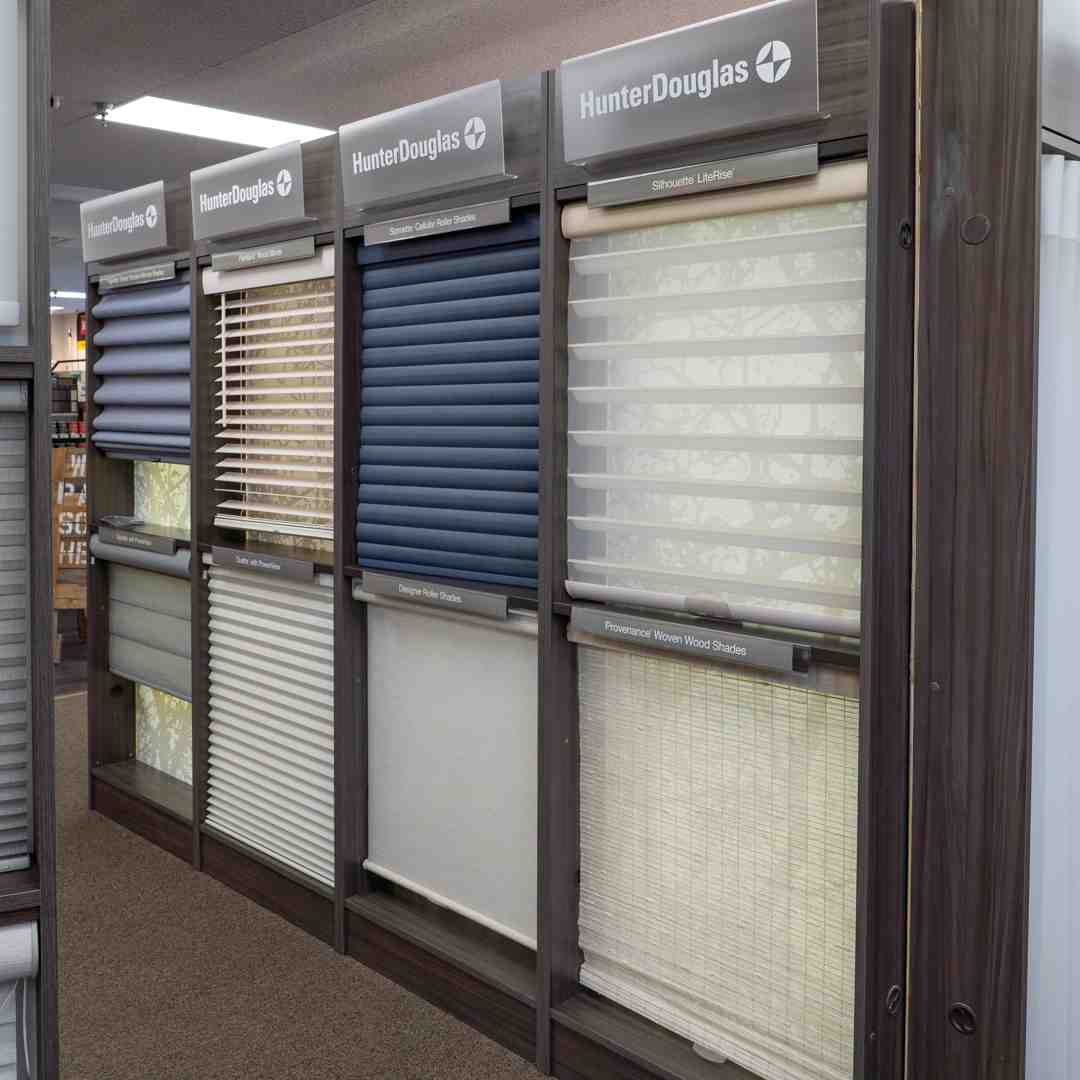
For high-end elegance, brands like Hunter Douglas offer stunning options like Silhouette® Window Shadings and Pirouette® Shadings, which combine the soft look of a fabric shade with the light control of a blind. To understand how these fit your specific window dimensions, read our guide on Pirouette Shadings Custom Widths and Heights Explained.
Materials and Fabrics for Soft Shades for Windows
The fabric you choose dictates how your soft shades will perform. The most common materials include:
- Polyester: Highly durable, anti-static, and resistant to fading and stains. It is the go-to choice for sheer shades because it holds its shape beautifully over time.
- Linen and Linen Blends: Known for their natural, textured look. Linen creates a gorgeous play of light and shadow, though it may require occasional steaming to keep wrinkles at bay.
- Textured Sheers: Textured sheer fabrics offer a quiet, minimalist aesthetic with subtle color overtones that look incredible in modern spaces.
- Lightweight Sheer Curtains: For a breezy, layered look, pairing your shades with lightweight sheer panels can soften the entire window frame.
Beyond aesthetics, fabric weight affects energy efficiency and UV protection. High-quality sheers can block up to 88% of harmful UV rays when open and up to 99% when closed, protecting your hardwood floors and furniture from sun damage. For general guidance on how indoor window coverings can affect comfort and energy use, the U.S. Department of Energy offers a helpful overview of energy-efficient window coverings.
Customization Options: Linings, Motorization, and Controls
One of the greatest benefits of custom soft shades for windows is the ability to tailor them to your lifestyle.
- Lining Options: You can add a privacy liner to filter light gently, or a premium blackout liner to block out light completely-perfect for bedrooms and media rooms. If you want to eliminate light leaks entirely, consider adding Side Tracks for Blackout Shades Banish Light Leaks and Sleep Soundly.
- Dual Shade Systems: Systems like the Twin Shade combine a beautiful Roman shade in the front with a practical, independent roller shade in the back acting as a movable lining.
- Control Types: For ultimate safety and a clean look, cordless controls are highly recommended. Motorized options allow you to raise or lower your shades with a remote, a smartphone app, or even voice commands. Rechargeable motorized batteries typically last 6 to 8 months on a single charge and operate quietly at around 47 dB.
Comparing Soft Shades to Hard Blinds and Cellular Options
How do soft shades stack up against other popular window treatments? Let’s look at the key differences:
| Feature | Soft Shades | Hard Blinds | Cellular Shades |
|---|---|---|---|
| Aesthetics | Warm, textured, elegant | Structured, clean, classic | Modern, clean, geometric |
| Light Control | Diffused, soft glow | Direct control via tilting slats | Soft filtering to complete blackout |
| Insulation | Moderate (improves with liners) | Low | High (due to honeycomb design) |
| Maintenance | Light dusting or vacuuming | Dusting individual slats | Occasional vacuuming |
While cellular shades are excellent for insulation, they lack the rich, drapery-like texture of a custom Roman shade. If you are trying to decide which style fits your daily routine, our An Essential Guide to Graber Window Shades and our resource on how to Master Your Light A Comprehensive Guide to Day and Night Blinds can help you weigh your options.
How to Choose and Install Your Custom Window Treatments
Choosing the perfect soft shades for windows involves balancing your home’s decor, the size of your windows, and your privacy needs. For instance, moisture-prone areas like kitchens and bathrooms benefit from moisture-resistant fabrics, while bedrooms demand light-blocking capabilities.
Because custom window treatments are a significant investment in your home’s beauty and value, we highly recommend working with experts who can guide you through fabric selections, warranties, and return policies.
At The Color House, we provide personalized service to make the process effortless. We invite you to visit our North Kingstown and Cranston showrooms, which are our only two locations that feature our complete window treatment displays. There, you can touch the fabrics, test the lift systems, and speak with our design team. You can also schedule a The Color House Color Consultation to ensure your new shades perfectly complement your wall colors, or explore our curated collections from Hunter Douglas and Graber Window Treatments.
Measuring and Installation: Inside vs. Outside Mount
Getting a perfect fit starts with precise measurements. You must first decide between an inside mount (where the shade sits inside the window casing) and an outside mount (where the shade is mounted on the wall or trim outside the frame).
Here is how to measure your windows like a pro:
- Use a Steel Tape Measure: Never use a flexible cloth tape, as it can stretch and lead to inaccurate measurements.
- Measure to the Nearest 1/8 Inch: Do not round your numbers up or down.
- For Inside Mounts: Measure the width in three places (top, middle, and bottom) and use the narrowest measurement. Measure the height in three places and use the longest measurement. Note the window depth to ensure there is enough clearance for the headrail.
- For Outside Mounts: Measure the exact width and height of the area you want the shade to cover. We recommend adding 2 to 3 inches to the width on each side to minimize light gaps.
- Account for Factory Deductions: That manufacturers will make minor deductions on inside-mounted shades to ensure they raise and lower smoothly without rubbing against the window frame.
While DIY installation is entirely possible with the included hardware, choosing professional installation ensures your custom shades operate flawlessly and are backed by expert support. Our professional installation services cover Rhode Island, ensuring your new window treatments are perfectly fitted and function beautifully.
When you are ready to transform your home with the soft, inviting glow of fabric shades, stop by our showrooms in Cranston or North Kingstown. We’ll help you find the perfect match for your windows!