Why Eco Friendly Blinds Are Worth Your Attention
Eco friendly blinds are indoor window treatments made from sustainable, recycled, or low-emission materials — and they do more than just look good.
Here’s a quick overview of what makes them worth considering:
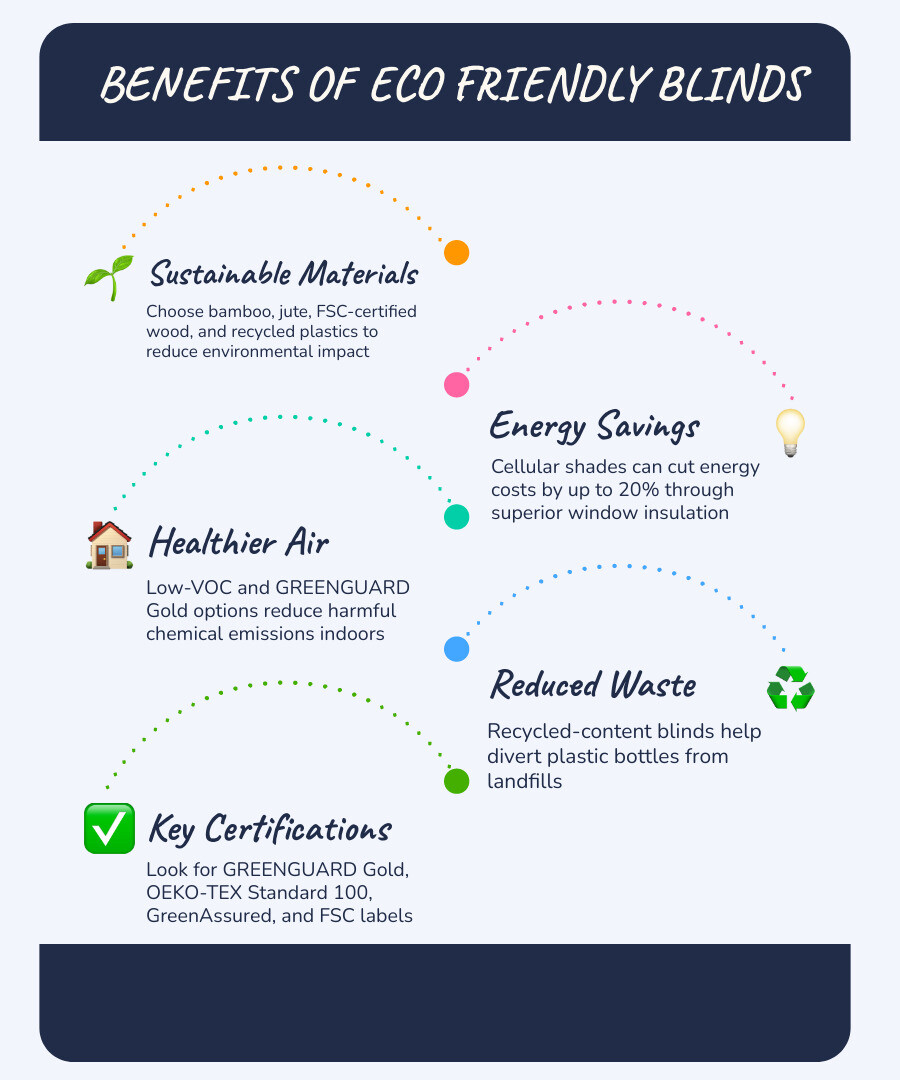
- Sustainable materials — bamboo, jute, organic grasses, FSC-certified wood, and recycled plastics
- Energy savings — cellular shades can reduce energy costs by up to 20% through window insulation
- Healthier air — low-VOC and GREENGUARD Gold certified options reduce harmful chemical emissions indoors
- Reduced waste — recycled-content blinds help divert plastic bottles and other materials from landfills
- Certifications to look for — GREENGUARD Gold, OEKO-TEX Standard 100, GreenAssured, and FSC
These aren’t niche products anymore. From bamboo Venetian blinds to honeycomb cellular shades made from recycled ocean plastic, the options are wide — and genuinely better for your home and the planet.
Choosing the right eco-friendly blind means balancing material, light control, insulation value, and budget. This guide walks you through all of it.
I’m Douglas Caniglia, Director of Commercial and Industrial Sales at The Color House, where I’ve spent years helping homeowners and trade professionals find high-performance, sustainable solutions for their spaces — including eco friendly blinds available through our North Kingstown and Cranston showrooms, our only locations dedicated to window treatments. If you’re ready to make a smart, planet-conscious choice for your Rhode Island home, let’s get into it.
Key Eco friendly blinds vocabulary:
The Ultimate Guide to Eco Friendly Blinds

When we think about making our homes greener, we often look to solar panels, energy-efficient appliances, or zero-VOC paints (like our favorite Benjamin Moore options). However, the indoor window treatments, blinds, and draperies we select play a massive role in our home’s carbon footprint and indoor air quality.
Choosing eco friendly blinds is one of the most effective ways to lower your household’s annual carbon footprint by up to 15% through reduced heating and cooling demands. In our Window Treatments RI showrooms, we help clients navigate these sustainable choices daily, matching high-performance materials with beautiful aesthetics.
Energy Efficiency and Insulation Benefits of Eco Friendly Blinds
It is no secret that New England weather keeps us on our toes. From freezing winter drafts to humid summer afternoons, our windows are the primary escape route for conditioned air. In fact, a significant portion of a home’s heating and cooling energy is lost right through the glass. This is where high-performance, sustainable indoor window treatments step in to save the day.
Cellular honeycomb shades are the undisputed champions of window insulation. Their unique design features pockets of cells that trap air, creating a highly effective thermal barrier between your room and the windowpane. By keeping warm air inside during the winter and blocking solar heat gain during the summer, these shades dramatically reduce your reliance on HVAC systems.
According to industry data, installing cellular shades can reduce heat loss through windows by up to 40% and lower overall energy costs by up to 20%. When you are looking for ways to keep your home comfortable year-round, understanding How to Choose Window Treatments That Save Energy in New England is an excellent starting point for long-term savings.
Key Certifications for Eco Friendly Blinds and Healthy Homes
How can you be absolutely sure that a window treatment is as green as the manufacturer claims? The easiest way is to look for reputable, third-party certifications. These labels guarantee that the products have been rigorously tested for chemical emissions, raw material sourcing, and overall environmental impact.
- GREENGUARD Gold: This is the gold standard for indoor air quality. Products with GREENGUARD Gold certification are tested for more than 10,000 chemicals and meet incredibly strict limits on volatile organic compounds (VOCs). Choosing GREENGUARD Gold certified treatments can reduce indoor VOC emissions by up to 99%, making your home much safer for children, pets, and anyone with respiratory sensitivities.
- OEKO-TEX Standard 100 (Confidence in Textiles): If you are choosing fabric blinds or draperies, look for this certification. It ensures that every component of the fabric—from the thread to the dyes—is completely free from harmful levels of toxic substances.
- GreenAssured: This certification specifically evaluates both the raw material sourcing and the airborne chemical emissions of the window treatments, giving you peace of mind from the manufacturing plant to your living room.
- FSC (Forest Stewardship Council): For wood and bamboo blinds, FSC certification proves that the materials were harvested from responsibly managed forests that provide environmental, social, and economic benefits.
Popular Types of Sustainable Shades
Going green doesn’t mean sacrificing your personal style. Today’s market offers an incredible variety of Eco Friendly Window Treatments, Shades and Blinds to fit any interior design scheme.
- Cellular Honeycomb Shades: Excellent for insulation, these are often crafted from recycled polyester (PET) fibers. Products like the Green Living Cordless Light Filtering Cellular Shades | SelectBlinds offer a beautiful, soft daylight glow while keeping your home’s temperature perfectly regulated.
- Woven Wood Shades: Handcrafted from renewable resources like bamboo, jute, and wild grasses, these shades bring a “perfectly imperfect” organic texture to your space.
- Solar Shades: Designed to block harsh UV rays and glare while preserving your view of the outdoors, many modern solar shades are woven from PVC-free fabrics and recycled ocean plastics.
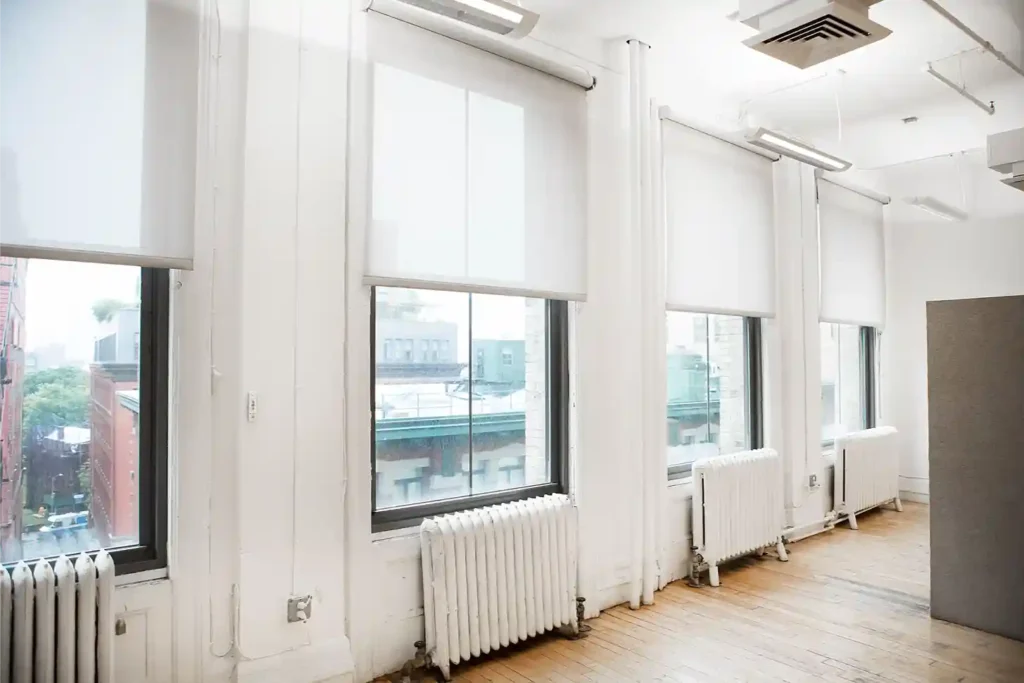
- Roller Shades: Simple, clean, and highly versatile, eco-friendly roller shades—such as the Twist2Go Choices Eco-Friendly Riley Natural White Roller Blind | Blinds 2go Ireland —use environmentally responsible, recyclable fabrics that are perfect for minimalist spaces.
For those who want to blend natural light control with a luxurious, modern aesthetic, exploring Why Silhouette Blinds Are the Clear Choice can help you find that perfect balance of soft, diffused light and privacy.

How to Choose and Maintain Sustainable Window Treatments
Investing in sustainable home decor is a commitment to quality. To get the most out of your indoor Window Treatments, it helps to understand how different materials perform over time and what is required to keep them looking fresh.
Sourcing Sustainable Materials: Bamboo, Wood, and Recycled Fabrics
The raw materials used to build your blinds dictate both their environmental impact and their durability. Here is a closer look at the most common sustainable materials on the market today:
- Bamboo: Bamboo is one of the fastest-growing plants on Earth, with some species growing up to 3 feet per day. It requires no pesticides and very little water, making it an incredibly low-resource renewable material. Brands like IKEA offer fantastic entry-level options such as the VECKLARFLY Venetian blind, bamboo, 100×155 cm – IKEA Sweden and the wider VECKLARFLY Venetian blind, bamboo, 122×155 cm (48×61″) – IKEA CA which utilize FSC-certified bamboo and cordless push-and-pull mechanisms for child safety.
- Organic Grasses & Jute: For a highly textured, globally sourced aesthetic, options like Blindsgalore Natural Woven Shades | Blindsgalore and Blindsgalore Natural Bamboo Shades | Blindsgalore are woven from sustainable fibers that gently filter light to create a warm, inviting glow.
- Recycled Polyester (PET): Many fabric and solar shades are now woven from post-consumer recycled plastic bottles. By choosing these materials, you are directly supporting efforts that divert over 8 million plastic bottles from landfills and oceans annually.
- North American Hardwood: Responsibly harvested domestic hardwood (like the sustainably managed timber used by Graber) minimizes transportation emissions. Due to strict forestry practices, the volume of hardwood in North American forests is actually 90% larger today than it was 50 years ago.
To help you compare your options, here is a quick breakdown of how these materials perform across key categories:
| Material | Sustainability | Durability | Insulation Value | Best Suited For |
|---|---|---|---|---|
| Bamboo | Outstanding (rapidly renewable) | High (naturally resilient) | Moderate | Kitchens, living rooms, and sunrooms |
| Recycled PET | Excellent (diverts waste) | Very High (flexible, resists fading) | Outstanding (when used in cellular designs) | Bedrooms and drafty windows |
| Hardwood | High (when FSC-certified) | Extremely High (long-lasting) | Moderate to High | Dining rooms and home offices |
Customization, Motorization, and Professional Installation
One of the biggest misconceptions about eco-friendly home products is that they lack modern features. That couldn’t be further from the truth! Sustainable window treatments can be fully customized, motorized, and integrated into your smart home system.
At The Color House, our North Kingstown and Cranston locations serve as our only showrooms dedicated to window treatments. When you visit us, our design experts can guide you through premium eco-friendly collections from top brands, detailed in The Ultimate Guide to Hunter Douglas Window Treatments.
Many of our sustainable options feature cordless designs, which are not only sleek but essential for child and pet safety. For the ultimate modern convenience, we can integrate motorized shades with solar-powered charging panels and smart hubs compatible with Amazon Alexa, Google Assistant, and Apple Siri.
If you are ready to transform your space, our professional Decorating Services team will handle everything from precise measurements to seamless installation, ensuring your new custom shades fit perfectly and operate flawlessly.
Long-Term Savings and Maintenance Tips
While some certified eco-friendly window treatments may have a slightly higher upfront cost than cheap, mass-produced plastic blinds, they are built to last. By choosing durable materials like bamboo or high-quality recycled polyester, you avoid the cycle of replacing brittle plastic blinds every few years. Combined with the monthly savings on your energy bills, these treatments easily pay for themselves over time.
To keep your sustainable blinds looking pristine, follow these simple, eco-friendly maintenance tips:
- Regular Dusting: Use a feather duster or a clean microfiber cloth to gently remove surface dust once a week.
- Vacuuming: For fabric or cellular shades, use your vacuum’s upholstery brush attachment on a low-suction setting to clear away dust from the folds and cells.
- Spot Cleaning: If your shades get smudged, spot clean them using a damp cloth and a mild, eco-friendly soap. Avoid harsh chemical cleaners, bleach, or saturating the material, as these can degrade natural fibers and protective clear lacquers.
If you are coordinating a larger home refresh, pairing your new window treatments with the perfect wall colors can tie the entire look together. We invite you to schedule a professional Color Consultation with our team to find the ideal Benjamin Moore palette to complement your new, sustainable shades.
Stop by our North Kingstown or Cranston showrooms today, and let’s build a beautiful, energy-efficient, and healthy home together!