Why Garden Paint Tester Pots Are Essential for Outdoor Projects
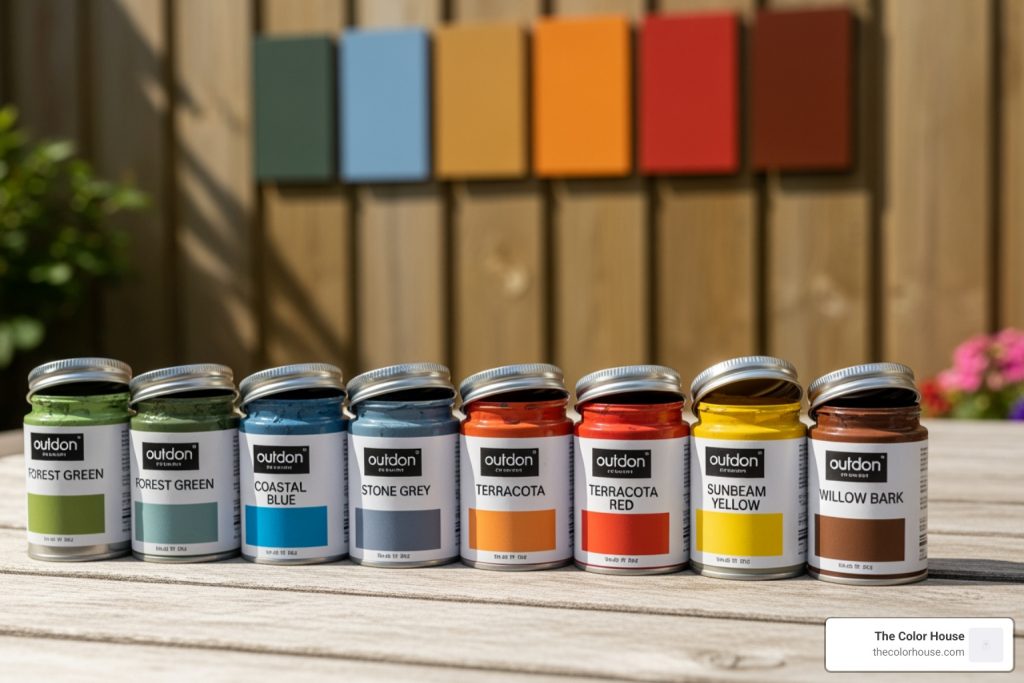
Garden paint tester pots are small samples of exterior-grade paint that let you see exactly how a color will look on your fence, shed, or outdoor furniture before you commit to buying full-sized cans. They’re the smartest first step for any garden painting project.
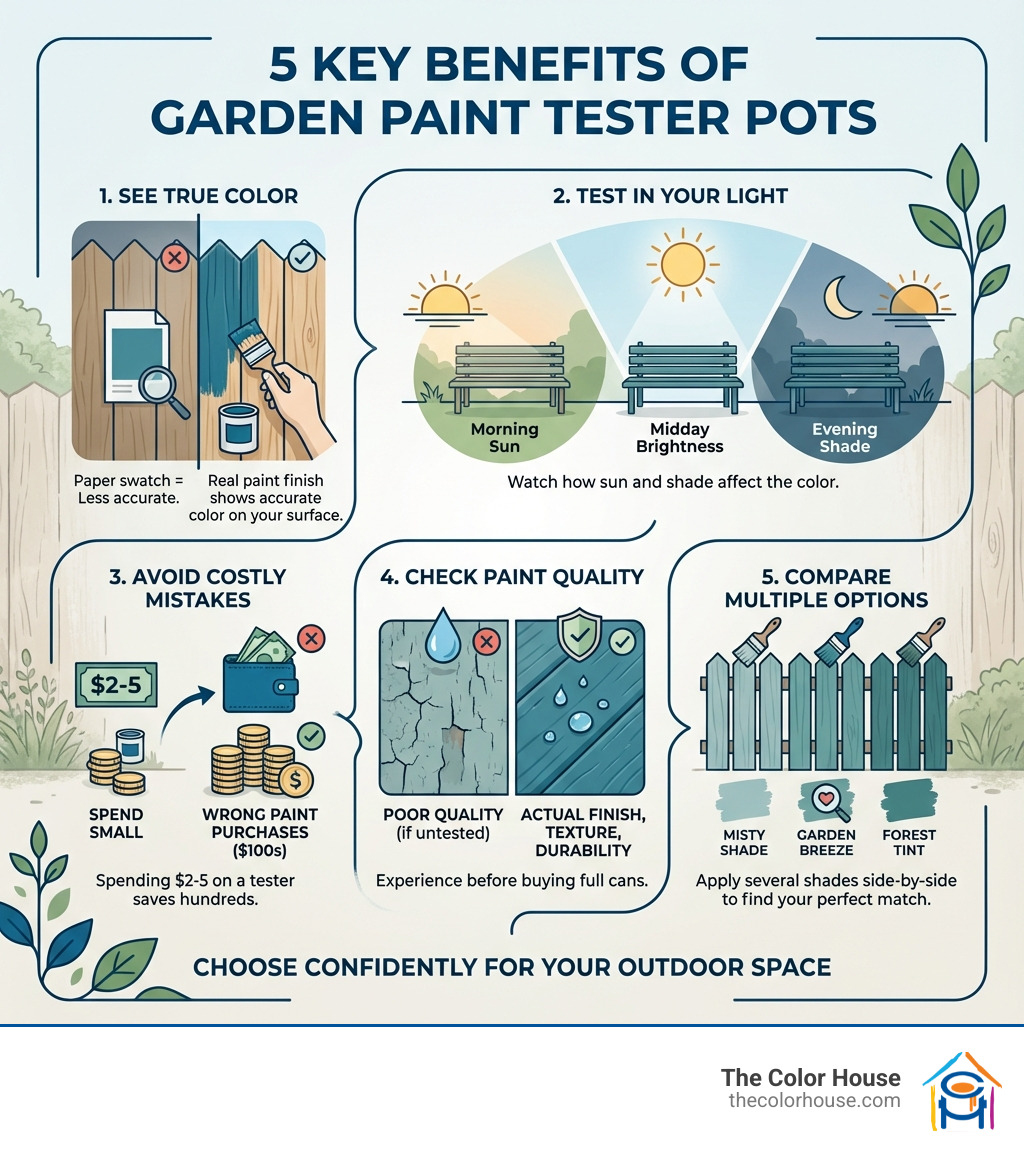
Key Benefits of Using Garden Paint Tester Pots:
- See real color – Not a paper swatch, but actual paint on your surface
- Test in natural light – Watch how sun and shade change the color throughout the day
- Save money – Avoid expensive mistakes from buying the wrong color
- Check quality – Experience the paint’s finish and durability before you buy
- Compare options – Try multiple shades side-by-side in your actual garden
According to industry insights, “it’s always good to try before you buy” – especially for outdoor spaces where no garden is the same and colors can look dramatically different depending on your lighting, surrounding plants, and existing structures.
Tester pots typically come in sizes ranging from 30ml to 236ml, with prices starting around $2-$5. The most popular sizes are 50ml (about 2 oz) and 125ml (about 4 oz), which provide enough coverage to paint a good test patch on your fence or shed – usually between 30cm² to 2m² depending on the product.
The beauty of tester pots is that they contain the same paint formula you’ll get in the full-sized can, so you’re testing both the color and the quality. This is a huge advantage over paper paint chips, which can’t show you how the paint will actually look once applied, or how it handles your specific surface and weather conditions.
As Jean Hauser, owner and president of The Color House with over two decades in the paint industry, I’ve guided countless Rhode Island homeowners through choosing the perfect colors using garden paint tester pots to ensure they’re thrilled with their outdoor projects. Let me walk you through everything you need to know to find your ideal shade.
Why Tester Pots Are a Gardener’s Best Friend
Choosing a paint color for your garden is a little different than picking one for your living room. Outdoors, colors are constantly interacting with natural light, shadows, greenery, and even the changing seasons. That’s why garden paint tester pots aren’t just a good idea; they’re an essential tool for achieving color confidence and ensuring your outdoor projects truly shine.
When we talk about “experiencing colors ‘in situ’,” we mean seeing the paint where it will actually live. A color that looks vibrant on a small chip in a brightly lit store might appear muted or even completely different when applied to a weathered fence under the Rhode Island sun. Tester pots allow you to see the real paint, on your actual surface, in your unique garden environment. This hands-on approach helps us avoid those “oh no, what have I done?” moments, saving both time and potential heartache.
What are garden paint tester pots?
At their core, garden paint tester pots are miniature versions of the full-sized exterior paints we offer. Think of them as a sneak peek into your garden’s future aesthetic. They contain actual exterior-grade paint, specifically formulated to withstand the elements, just like their larger counterparts.
These small paint samples are designed to provide a real paint finish, not just a digital rendering or a printed swatch. This is crucial for color accuracy, as the way light interacts with the actual paint pigments and its texture is something a paper swatch simply can’t replicate. While you won’t be painting your entire shed with one, these pots offer enough paint for small project use—perfect for testing a decent-sized patch on your chosen surface. This way, you get to experience the true depth and vibrancy of the color before making a big commitment.
The Advantage Over Traditional Paint Swatches
You might wonder why we can’t just rely on those handy paper paint swatches. While they’re great for narrowing down your initial choices, they fall short when it comes to outdoor projects. Here’s why garden paint tester pots are a game-changer:
First, there’s the obvious difference: paper versus real paint. A paper swatch has a flat, often matte, surface that can’t replicate the texture and sheen of actual paint. Exterior paints, even those with a matte finish, have a certain depth and light reflection that’s unique to the paint itself. When sunlight hits your newly painted fence, the way it reflects off the actual paint will be vastly different from how it reflects off a paper chip.
Then there’s the crucial element of light. Our research consistently highlights the importance of “testing colors in your home under different lighting conditions.” This applies even more so to outdoor spaces. The natural light in your garden shifts dramatically throughout the day and with weather changes. A paper swatch can’t show you how a color will transform from bright morning sun to dappled afternoon shade, or how it will look on a cloudy day. A painted test patch, however, will reveal these subtle (and sometimes not-so-subtle) changes.
Finally, tester pots give you a sneak peek into durability. While it’s a small sample, applying real paint to your surface lets you observe how it adheres, how quickly it dries, and how it handles initial exposure to the elements. This accurate color representation, combined with a glimpse of the paint’s performance, provides a level of confidence that paper swatches simply can’t match.
How to Choose the Right Garden Paint Tester Pots
Selecting the perfect garden paint tester pots is the first exciting step towards changing your outdoor space. But with so many options, how do you make the right choice? It’s all about understanding what kind of paint your project needs and how it will perform in the Rhode Island weather.
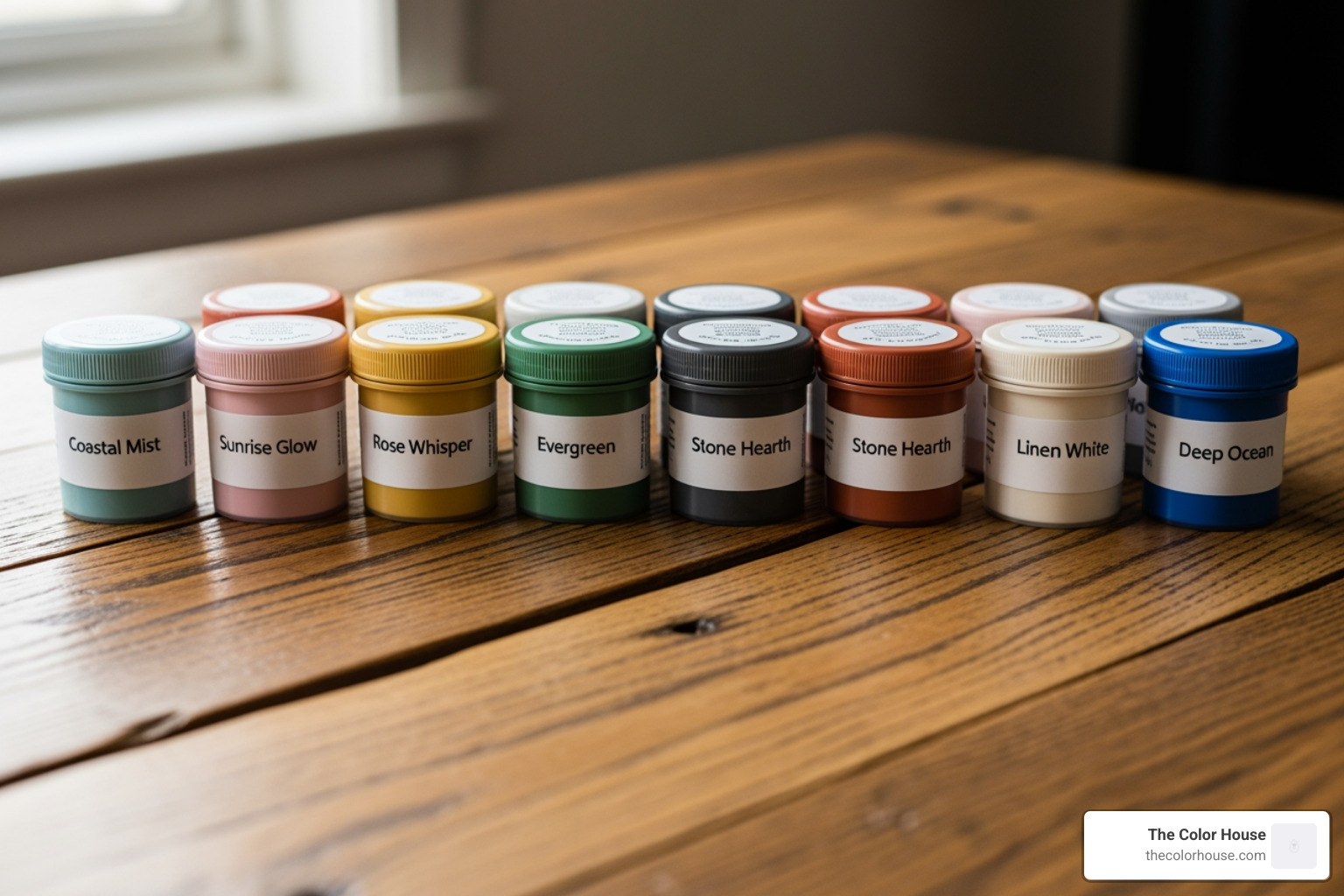
When browsing for your tester pots, always prioritize exterior use. These paints are specifically formulated to resist fading from UV rays, prevent mold and mildew growth, and withstand temperature fluctuations, rain, and snow—all common challenges for our New England gardens. Our range of exterior paint swatches are “suitable for a variety of surfaces and weather conditions,” ensuring you’re testing a product designed for the outdoors.
Consider the paint base; water-based formulas are popular for their easy cleanup and lower VOC content, making them a more environmentally friendly choice. Finally, think about the finish. While many garden paints come in a classic matt finish, others might offer a slight sheen. We’ll dive deeper into finishes shortly!
Matching the Paint to the Surface
Just like you wouldn’t use interior wall paint on your garden shed, match your garden paint tester pots to the specific surface you intend to paint. This ensures proper adhesion, durability, and the best possible finish.
- Wood (fences, sheds, furniture): This is perhaps the most common application for garden paints. Many exterior wood paints are designed to penetrate and protect wood, offering resistance to rot, decay, and insect damage. Our research highlights tester pots suitable for “fences, sheds,” and “exterior wood paint.” Always ensure the paint is suitable for treated or untreated wood, depending on your project.
- Masonry (brick, stone walls): For surfaces like brick planters, stone pathways, or concrete foundations, you’ll need a paint specifically formulated for masonry. These paints are typically breathable to allow moisture to escape, preventing bubbling and peeling. Our research confirms that some paints are “suitable for brick, stone.”
- Metal (railings, gates): If you’re sprucing up wrought iron railings or metal garden furniture, look for paints with rust-inhibiting properties. While not explicitly mentioned in the specific research for garden tester pots, multi-surface paints (which we’ll discuss next) often work well on appropriately primed metal.
- Multi-surface paints: These versatile paints are a fantastic option for gardens, as they can adhere to a variety of materials including wood, brick, terracotta, and sometimes even plastic. Research mentions “Matt Multi-surface paint,” which is ideal if you have several different elements in your garden that you want to unify with a single color.
Choosing the right paint for the right surface is key to a long-lasting and beautiful finish. A quick chat with our expert team at The Color House in North Kingstown, Cranston, Wakefield, Middletown, or Smithfield will ensure you pick the perfect match for your project.
Understanding Paint Finishes and Types
The finish of your paint plays a significant role in both the aesthetic and the durability of your outdoor project. While options for exterior garden paints might be slightly less varied than interior paints, it’s still important to understand the common types.
- Matt finish: This is a very popular choice for garden structures like sheds, fences, and planters. A matt finish offers a soft, non-reflective look that helps to camouflage imperfections on uneven surfaces. It provides a classic, natural appearance that blends well with the garden environment. Our research frequently mentions “Matt finish” and “Matt Multi-surface paint” in the context of garden paint tester pots.
- Satin finish: While less common for large garden structures, a satin finish offers a subtle sheen, making it slightly more reflective than matt. This finish can be easier to clean and provides a bit more durability against scuffs and marks, making it a good choice for garden furniture that sees a lot of use.
- Multi-surface paint: As discussed, these paints are incredibly versatile. They are formulated to adhere to a range of exterior materials, simplifying your paint choices if you have a mixed-material garden. Many come with added durability features.
- Exterior-grade formulas: Regardless of the specific finish, ensure your chosen garden paint tester pots are truly exterior-grade. This means they’re packed with features like UV protection (to prevent fading), mold and mildew resistance, and flexibility to withstand the expansion and contraction of materials due to temperature changes. These specialized formulas are designed to protect your outdoor investments for years to come.
When you visit us at The Color House, we can walk you through the specifics of each finish and type, helping you visualize how it will look and perform in your unique garden setting.
A Step-by-Step Guide to Testing Colours in Your Garden
Now for the fun part: bringing those garden paint tester pots to life! Testing colors in your garden isn’t just about slapping paint on a surface; it’s a careful observation process. The goal is to see how the color interacts with its surroundings, and crucially, how natural light affects color perception. As we know, “no garden is the same,” so your testing environment is unique.
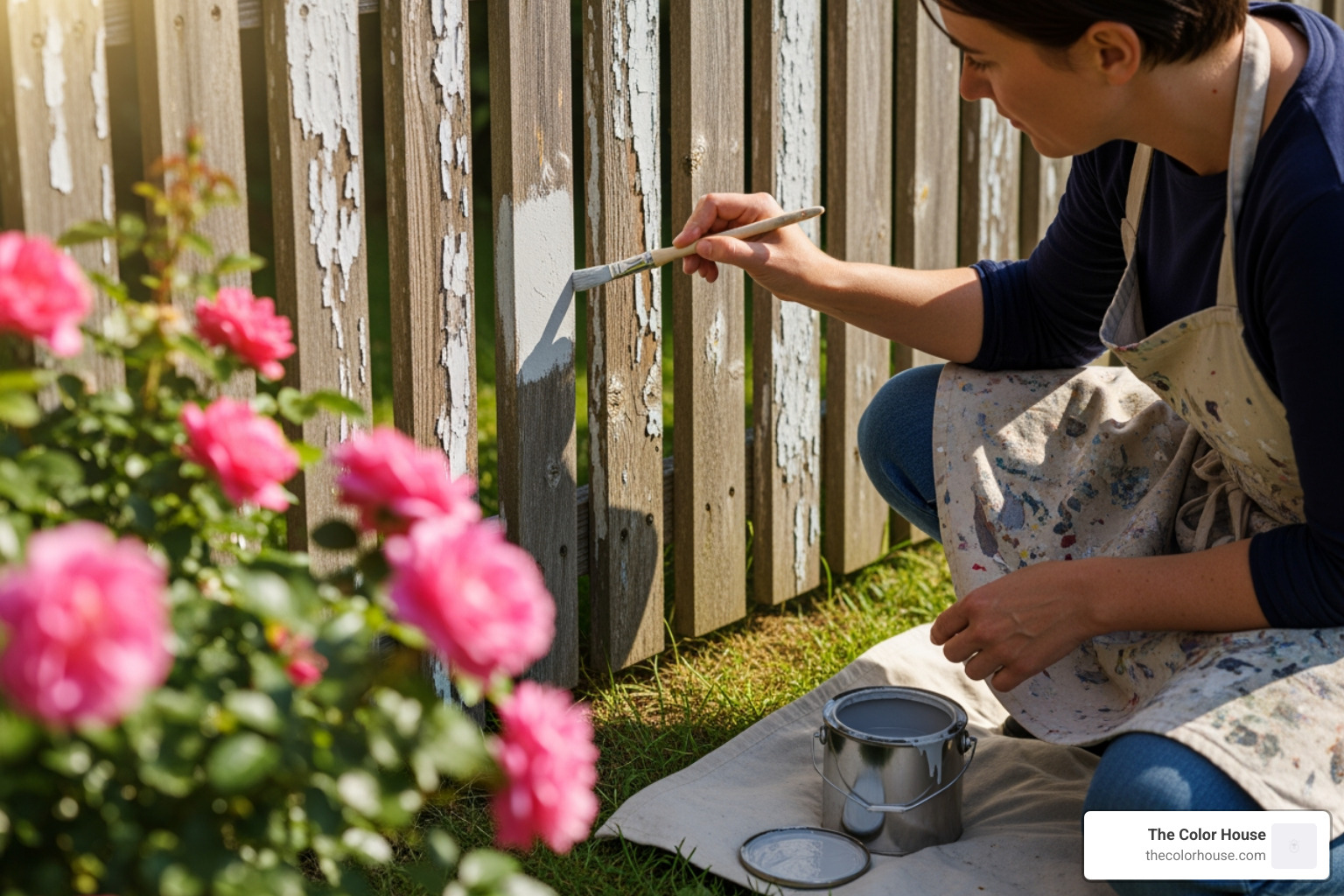
This process helps us avoid paint regret and ensures you make a confident choice. We recommend doing this on a typical day, considering both sunny and cloudy conditions, as the light in Rhode Island can be quite dynamic! If you are curious about the science behind why colors appear different throughout the day, resources like this overview of how natural light affects color perception can be helpful.
Step 1: Prepare and Prime Your Test Area
For the most accurate color representation and adhesion, a little preparation goes a long way, even for a small test patch.
First, cleaning the surface is paramount. Remove any dirt, grime, loose paint, or mildew from the area you intend to test. A simple scrub with soap and water, followed by a thorough rinse and dry, is usually sufficient. For stubborn mildew, a specialized cleaner might be needed.
Next, a light sanding can create a better “key” for the paint to adhere to, especially on smooth or previously painted surfaces. Our research mentions that some water-based paints can cover existing oil-based surfaces with “just a quick clean and a light sanding as preparation.” This step ensures your test patch accurately reflects how the paint will perform on your larger project.
Consider applying primer if you’re testing on bare wood, masonry, or if you’re making a dramatic color change (e.g., from dark to very light). Primer creates a uniform, neutral base, preventing the existing surface color from influencing the test paint’s true hue. It also helps with adhesion and overall durability.
Finally, choose a discreet spot for your test. While we want to see the color, we don’t want a glaring test patch permanently altering your garden’s aesthetic if you decide against the color! An inconspicuous corner of a fence or the back of a shed works perfectly.
Step 2: Apply the Paint Correctly
Applying the paint from your garden paint tester pots might seem straightforward, but a few tips will ensure you get the most accurate result.
- Using a small brush: While some tester pots come with a built-in applicator, using a small, good-quality paintbrush will give you a more even and realistic finish, mimicking how you’d apply the full-sized paint.
- Applying two coats: Most paints, especially exterior ones, require two coats for full color saturation and durability. Apply the first coat thinly and evenly, allow it to dry completely (check the instructions on your specific tester pot, but typically 1-2 hours), and then apply a second coat. This will give you the truest representation of the color.
- Allowing proper dry time: Patience is a virtue here! Don’t judge the color until both coats are fully dry. Wet paint often looks different from dry paint.
- Creating a large enough patch (at least 1ft x 1ft): A tiny dab of paint won’t give you a true sense of the color’s impact. A patch of at least 1 square foot allows you to see the color in context and observe how it changes under different lighting conditions. If you’re testing multiple colors, paint them side-by-side with a small space in between them so your eye can differentiate each one clearly.
Step 3: Observe in Different Conditions
This is where the magic of using garden paint tester pots truly comes alive. Color is incredibly dynamic, especially outdoors. We encourage you to observe your painted patches at various times of the day and under different weather conditions.
- Morning light: Often cooler and brighter, morning light can make colors appear crisper.
- Midday sun: The most intense light can wash out colors or highlight their undertones.
- Evening shade: As the light softens and shadows deepen, colors can appear richer, deeper, or sometimes more muted.
- Artificial light (if applicable): If you have outdoor lighting near your painted area, observe how the color looks under those conditions too.
- Viewing from different angles: Stand close, then step back. Look at it from your patio, your kitchen window, and other vantage points in your garden. The perspective changes everything!
The goal is to see how the color makes you feel in your garden. Does it complement your plants? Does it harmonize with your home’s exterior? Does it create the mood you envision? This comprehensive observation process, informed by how natural light affects color perception, is your secret weapon for a successful outdoor painting project.
Understanding Tester Pot Specs: Size, Coverage, and Cost
When you’re ready to select your garden paint tester pots, it’s helpful to know what to expect in terms of size, how much area they’ll cover, and what they might cost. This information helps you plan your testing strategy and ensures you get good value for your money.
Here’s a general comparison based on typical offerings and our research:
| Tester Pot Size | Approximate Volume | Approximate Coverage Area | Average Cost (USD) |
|---|---|---|---|
| 30ml | 1 oz | 30 cm² (0.3 sq ft) | $2 – $3 |
| 50ml | 1.7 oz | 0.5 – 1 m² (5-10 sq ft) | $2 – $4 |
| 125ml | 4.2 oz | 1 – 2 m² (10-20 sq ft) | $4 – $6 |
| 236ml | 8 oz | 2 – 4 m² (20-40 sq ft) | $5 – $8 |
Note: Coverage can vary significantly based on the paint type, surface porosity, and number of coats applied. These are general estimates for two coats on a relatively smooth surface.
You’ll notice that the price per ml/oz is significantly higher for tester pots compared to buying a full gallon. For example, a 125ml pot at $5 would be roughly $40 per liter, whereas a gallon of exterior paint might be $50-$70 (around $13-$18 per liter). However, this initial higher cost is a small investment that offers immense value for money in the long run. Spending a few dollars on garden paint tester pots can save you hundreds, if not thousands, on buying gallons of the wrong color and the time and effort of repainting.
To give you a better idea, our research showed specific examples:
- 30ml pots are common for interior emulsion testers.
- 50ml pots are frequently seen for garden colors and often cost around $2-$4.
- 125ml pots, like those for popular garden shades mentioned in our research, can cost around $5-$6.
- 8 oz (236ml) sample sizes are available for purchase from some brands to see the color in your space.
When estimating your needs, consider how many different colors you want to test and how many spots in your garden you want to test them on. We generally recommend at least two test patches per color. If you’re unsure about how much paint you’ll need for a larger project, many brands offer a handy paint calculator to estimate requirements, though “results are guides and actual requirements may vary.”
Where to Find Your Perfect Match
Finding the right garden paint tester pots is an exciting treasure hunt, leading you to the perfect shade for your outdoor oasis. While many places offer paint, we believe where you buy your tester pots can make a real difference in your overall experience and the success of your project.
You can find tester pots in various places, from large online shops to local hardware stores. However, for personalized service, expert advice, and a selection custom to our local Rhode Island climate, turning to local paint experts and specialists is always our top recommendation.
Why Your Local Paint Specialist is Your Best Resource
At The Color House, we pride ourselves on being more than just a paint store. As a women-owned business specializing in premium paints, we offer a personalized alternative to big box stores right here in Rhode Island. This is particularly beneficial when choosing garden paint tester pots, as we understand the unique challenges and opportunities of painting in our local environment.
Here’s why we believe your local paint specialist, like us at The Color House, is your best resource:
- Personalized service: We get to know you and your project. We’ll ask about your garden’s style, the surfaces you’re painting, and the overall look you’re hoping to achieve. This individualized service ensures you don’t just pick a color, but the right color for your space.
- Expert color consultants: Our team is comprised of expert color consultants with deep knowledge of premium paints and color theory. We can help you steer the vast array of shades, understand undertones, and suggest colors that will complement your home and garden, considering the specific lighting conditions in North Kingstown, Cranston, Wakefield, Middletown, or Smithfield.
- High-quality paint selection: We specialize in premium paints, including brands like Benjamin Moore, known for their superior durability, color retention, and finish quality. This means the garden paint tester pots you get from us will accurately represent the quality and performance of the full-sized cans, giving you a true preview.
- Competitive pricing and largest inventory in RI: While we offer premium products and expert advice, we also strive to provide competitive pricing and boast the largest inventory in Rhode Island. This means you’ll have access to a wide range of colors and types of exterior paints, ensuring you find exactly what you need without compromise.
- Supporting local business: When you choose The Color House, you’re not just buying paint; you’re supporting a local Rhode Island business that invests back into our community. We’re your neighbors, and we’re committed to helping you make your garden beautiful.
We encourage you to visit one of our Rhode Island locations in North Kingstown, Cranston, Wakefield, Middletown, or Smithfield. Let us help you find the perfect garden paint tester pots to kickstart your next outdoor project with confidence.
Conclusion
Starting on a garden painting project is a wonderful way to refresh your outdoor living space, but choosing the right color can feel daunting. That’s where garden paint tester pots become your indispensable allies. They offer a practical, cost-effective, and highly accurate way to visualize how a color will truly look in your unique garden environment, saving you from costly mistakes and ensuring you achieve a result you’ll love.
We’ve explored why these small samples are a gardener’s best friend, offering a significant advantage over traditional paper swatches by allowing you to test real paint on your actual surfaces under varying light conditions. We’ve guided you through matching paint types to your garden surfaces, understanding different finishes, and a step-by-step process for effectively testing colors. We’ve also broken down the typical sizes, coverage, and costs, highlighting the immense value they provide.
Making confident color choices for your garden is about observation, patience, and a little bit of expert guidance. At The Color House, we’re passionate about helping our Rhode Island community bring their garden visions to life. With our personalized service, expert color consultants, and premium paint selection, we’re here to ensure your outdoor spaces are as vibrant and welcoming as you envision.
So, go ahead, grab a few garden paint tester pots, accept the testing process, and get ready to transform your garden with a splash of perfect color!