
Why Neutral Interior Paint Colors Are the Foundation of Great Design
Neutral interior paint colors are the most popular choice for homeowners—and for good reason. They offer:
- Timeless appeal that never goes out of style
- Versatility to work with any design aesthetic, from modern to traditional
- A calming backdrop that lets furniture, art, and personal style shine
- Increased resale value by appealing to a wide range of potential buyers
- Flexibility to refresh your space with colorful accents without repainting
Here’s what many homeowners don’t realize: neutrals are surprisingly complex. A beige can look pink in one room and yellow in another. A gray might feel warm and inviting or cold and unwelcoming. The difference comes down to undertones—the subtle hints of color hiding beneath the surface—and how light interacts with your walls throughout the day.
This guide will walk you through everything you need to know to choose a neutral that looks beautiful in your home, not just on a paint chip. You’ll learn how to decode undertones, understand how lighting affects color, test samples the right way, and avoid the most common mistakes that lead to buyer’s remorse.
As Jean Hauser, owner of The Color House with over two decades of experience helping Rhode Island homeowners steer neutral interior paint colors, I’ve seen how the right shade transforms a space from ordinary to extraordinary. My background in fashion merchandising and interior design has taught me that selecting the perfect neutral is both an art and a science—one that requires expert guidance and careful consideration.
The Surprising Complexity of Neutrals: Understanding the Basics
This section will explore the foundational elements that make neutral colors so dynamic and help you choose the right one for your space.
Decoding Undertones: The Secret to the Perfect Ambiance
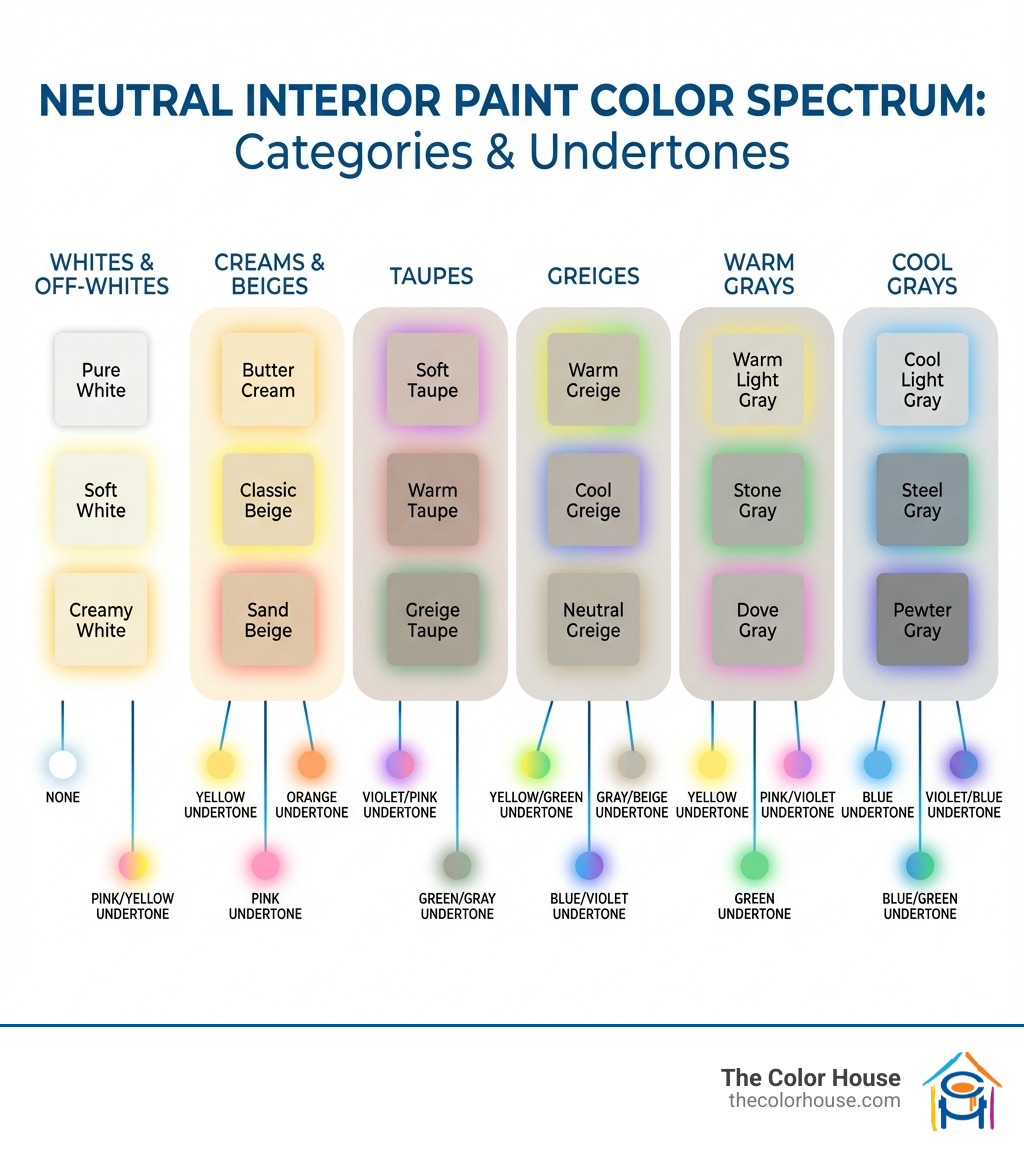
When we talk about neutral interior paint colors, we’re often talking about whites, grays, beiges, and greiges. But within each of these categories lies a fascinating world of undertones. These subtle hints of color are the “secret sauce” that dictates how a neutral paint color truly feels in your room. Ignoring them is one of the most common mistakes we see homeowners make, and it can lead to a beautiful color on the swatch looking completely wrong on your wall.
Warm undertones typically have hints of yellow, red, or orange. These are the undertones that create a cozy, inviting atmosphere. Imagine a soft beige with a hint of peach, or a creamy white that feels like a warm hug. These colors are fantastic for living rooms, dining areas, or any space where you want to encourage relaxation and conversation. They can also be particularly effective in north-facing rooms, where the natural light tends to be cooler, helping to counteract that blue light and bring warmth into the space.
On the other hand, cool undertones lean towards green, blue, or purple. These undertones are known for creating a more open, airy, and crisp feel. Think of a light gray with a touch of blue, or an off-white that feels clean and refreshing. Cool neutrals are excellent for bathrooms, home offices, or any area where you desire a sense of calm and spaciousness. They can make a small room feel larger and more expansive.
So, how do you identify these elusive undertones? It’s simpler than you might think! We recommend placing your paint sample against a pure white background (like a sheet of printer paper) or next to other neutral swatches. You’ll start to notice the subtle differences: one gray might appear slightly purple, another a bit green. This simple trick helps reveal the true character of the color.
The Power of Light: How Lighting Transforms Neutral Colors
Understanding undertones is just one piece of the puzzle. The next, and equally critical, factor is lighting. Light is a powerful magician when it comes to paint colors, especially with neutral interior paint colors. The same neutral can look dramatically different from morning to night, or from one room to another, simply because of the light it receives.
Natural light is your primary consideration.
- North-facing rooms receive indirect, cooler light throughout the day, often with a blue-gray cast. In these rooms, neutral paint colors with warm undertones (like a creamy beige or a greige with a yellow base) are often recommended. They can help balance the cool light, preventing the room from feeling too cold or stark.
- South-facing rooms are bathed in bright, warm light for most of the day. Here, almost any neutral can work, but cooler neutrals can help temper the intensity, while warm neutrals will feel even cozier.
- East-facing rooms get bright, warm morning light, which then cools down in the afternoon.
- West-facing rooms receive cooler morning light and then warm, intense afternoon and evening light.
Then there’s artificial lighting. The Kelvin temperature of your light bulbs plays a significant role. Warmer bulbs (around 2700K-3000K) can improve warm undertones, while cooler bulbs (4000K-5000K) can bring out cool undertones. It’s essential to consider the type of bulbs you use in your space.
Finally, we have Light Reflectance Value (LRV). This is a number, typically found on paint chips, that tells you how much light a paint color reflects. A higher LRV (closer to 100) means the color reflects more light, making a room feel brighter and more spacious. A lower LRV (closer to 0) means the color absorbs more light, creating a cozier, more intimate feel. Light neutral shades with a high LRV are particularly effective at reflecting light, which can make small rooms feel larger and brighter. For instance, neutrals with an LRV between 50-60 tend to work well in many lighting conditions, offering a clean, inviting atmosphere.
Warm vs. Cool vs. Dark: Setting the Mood with Neutrals
The choice between warm, cool, or dark neutral interior paint colors fundamentally impacts the mood of a space. It’s about more than just aesthetics; it’s about how a room feels and functions.
Warm neutrals like soft beiges, creams, and tans, often with yellow, red, or orange undertones, are champions of comfort and intimacy. They create a welcoming, cozy atmosphere that’s perfect for gathering spaces like living rooms and family rooms. They can make a large, open space feel more grounded and approachable.
Cool neutrals, encompassing many grays and off-whites with hints of green, blue, or purple, excel at promoting calm and spaciousness. They lend an open, airy feel to rooms, making them seem larger and more expansive. These are ideal for bedrooms, bathrooms, or any space where you want to cultivate a sense of tranquility and order. They can also provide a crisp, clean backdrop that allows colorful decor to pop without overwhelming the senses.
Dark neutrals, such as charcoal grays, deep taupes, or even rich off-blacks, introduce drama and sophistication. While they might seem counterintuitive for a “neutral,” they offer a powerful statement. Dark shades absorb more light, creating a moody, intimate ambiance. They work beautifully in rooms with ample natural light, preventing them from feeling cavernous. They can also be used effectively as accent walls or to add depth when paired with lighter neutrals, for example, complementing white cabinetry in a kitchen. The key is to balance them with sufficient lighting and lighter elements to prevent the space from feeling too enclosed.
Our Top Timeless Neutral Interior Paint Colors
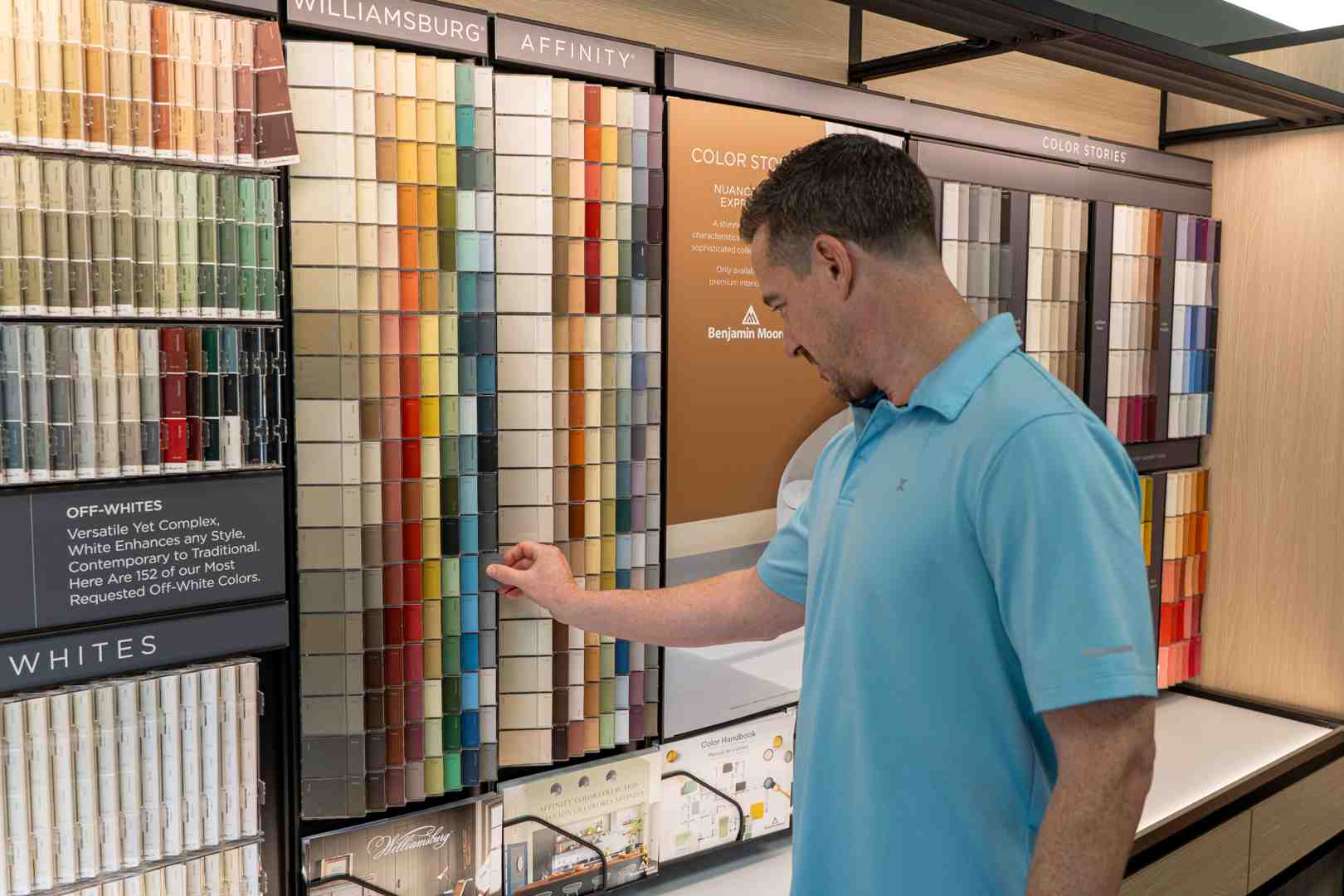
Choosing neutral interior paint colors doesn’t mean settling for boring. In fact, some of the most beloved and versatile shades are neutrals, cherished by designers and homeowners alike for their adaptability and enduring beauty. At The Color House, we’ve seen these Benjamin Moore classics transform countless homes across Rhode Island.
The Go-To Greiges and Grays
Greiges and grays have dominated interior design for years, and for good reason. They offer a sophisticated canvas that can lean warm or cool depending on the light and surrounding decor.
- Benjamin Moore Revere Pewter HC-172: This iconic greige is a true chameleon, perfectly balancing warm beige and cool gray. It’s incredibly versatile, appearing as a soft beige, a true gray, or even an off-white depending on the changing light throughout the day. It’s a favorite for open-concept spaces and entryways because of its ability to adapt.
- Benjamin Moore Edgecomb Gray HC-173: A soft, warm gray that sits comfortably between beige and gray. Edgecomb Gray is a popular choice not just for rooms but also for cabinets and exteriors, offering a lovely transitional quality that works with many existing finishes. It has a beautiful depth that avoids feeling flat.
- Benjamin Moore Collingwood OC-28: When it comes to grays, those with subtle purple undertones often suit more interior finishes than those with blue or green. Collingwood is a fantastic example, offering a sophisticated gray that can be a great fit for many homes.
The Classic Beiges and Off-Whites
While grays have had their moment, beiges and off-whites are making a strong comeback, offering a softer, inherently warmer alternative.
- Benjamin Moore Manchester Tan HC-81: A sophisticated, warm beige that evokes a sense of comfort and understated elegance. It’s a fantastic choice for creating a welcoming and inviting atmosphere, especially in larger rooms.
- Benjamin Moore White Dove OC-17: Often touted as one of the most popular and flexible shades of white, White Dove is a soft, warm white that suits a wide range of interior finishes, from tiles and countertops to brick and stone. It provides a gentle brightness without feeling stark, making it perfect for walls, trim, and even cabinetry.
- Natural Linen: This versatile beige is rising in the ranks. Not as heavy as the beiges of the early 2000s, but not quite an off-white, Natural Linen suits many beige tiles, countertops, and finishes, both classic and modern. It offers a gentle warmth that makes a room feel instantly inviting.
Best Neutral Interior Paint Colors for Specific Rooms
Choosing the right neutral interior paint colors for specific rooms can lift your home’s design, creating a cohesive flow and custom ambiance.
- Living Rooms: For these central gathering spaces, versatile backdrops are key. Revere Pewter and Edgecomb Gray are excellent choices, providing a flexible foundation that allows you to easily update your decor and accessories. Their balanced undertones ensure they look good throughout the day.
- Bedrooms: Serenity is paramount here. White Dove offers a soft, comforting feel, while Collingwood can create a tranquil, sophisticated retreat. These hues promote relaxation and a sense of calm, making them perfect for unwinding.
- Kitchens: A clean, inviting atmosphere is often desired. Manchester Tan provides a warm and welcoming backdrop, while a classic gray can offer a crisp, modern look. Consider pairing a neutral with white cabinets for depth, or using it to complement existing countertops and backsplashes.
No matter the room, these timeless neutrals provide an neat foundation, allowing your personal style to shine through. Transform Your Home with Benjamin Moore Paint to see the difference.
How to Apply Neutrals Like a Pro
Using neutral paint is just the beginning. The true artistry lies in how you layer and style your space to create a cohesive and professionally designed look.
Designing with Neutrals: Pairing with Decor and Textures
One of the greatest strengths of neutral interior paint colors is their ability to provide a versatile backdrop, allowing you to showcase your unique style through texture and colorful decor. This makes neutrals a timeless choice that’s always on-trend.
To create a truly cohesive palette, we always recommend matching undertones not just in your paint, but also in your furniture, fabrics, and decor. If your walls have warm, yellow undertones, lean into furniture with warm wood tones or fabrics with golden hues. If your gray walls have a cool blue undertone, bring in cool-toned metals or textiles.
Texture is your best friend when working with neutrals. Since the colors are subdued, varying textures add incredible depth and interest. Think about combining:
- Rough textures like linen, jute, or woven baskets
- Smooth surfaces like polished wood, glass, or ceramic
- Soft elements like velvet cushions, faux fur throws, or plush rugs
- Hard materials like metal accents or stone elements
These layers prevent a neutral room from feeling flat or sterile. Neutrals also provide the perfect stage for bold accent colors. Introduce pops of vibrant hues through throw pillows, artwork, vases, or a statement piece of furniture. This allows you to easily update your look with the seasons or changing trends, without the commitment of repainting. For personalized guidance on bringing your vision to life, consider our Decorating Services.
Coordinating with Window Treatments
Window treatments are a crucial element in any room, and they play a significant role in how your neutral interior paint colors are perceived. They can add warmth, softness, or a touch of drama, all while controlling light and privacy.
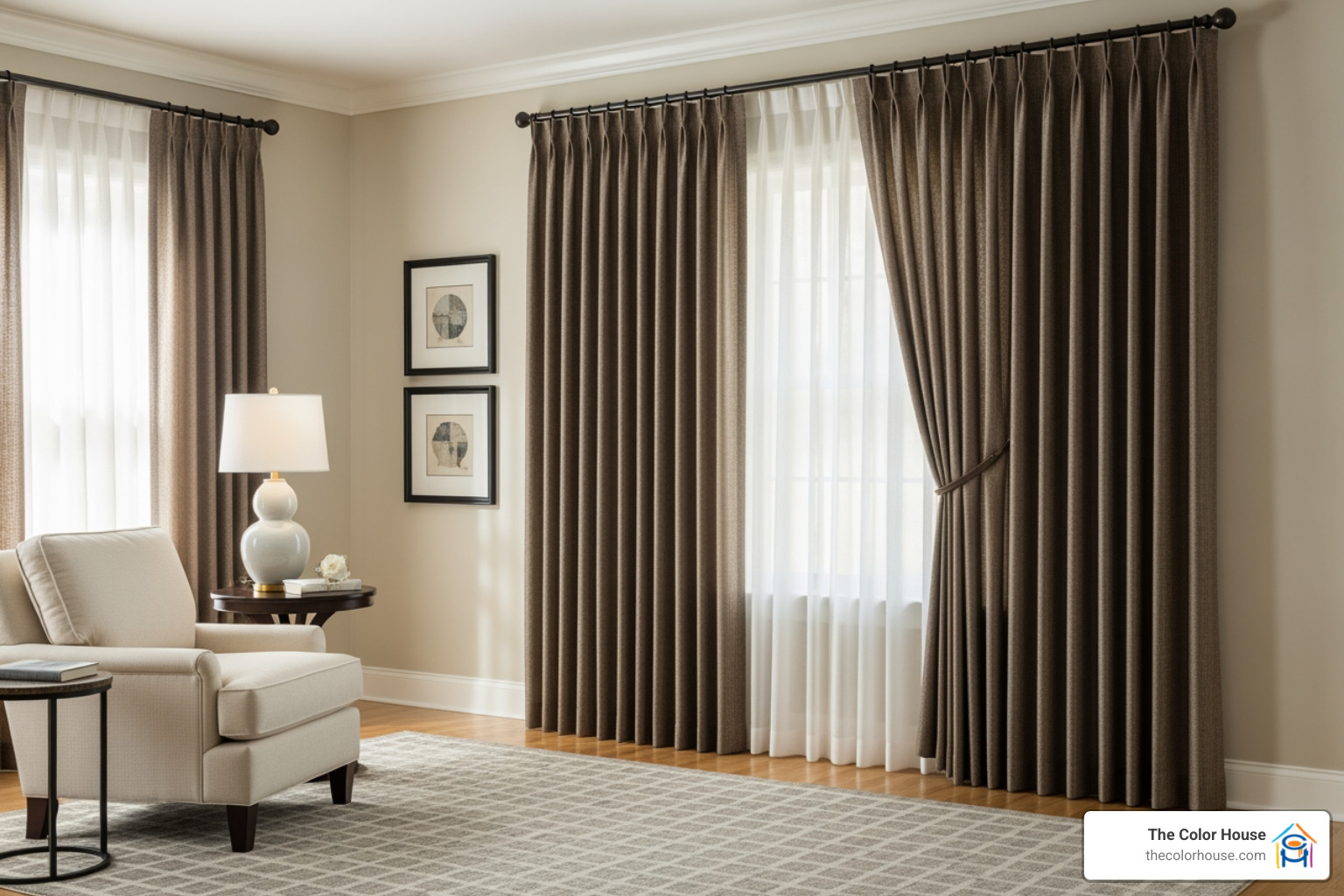
When pairing neutrals with blinds, you have a few excellent options:
- Wood blinds (or faux wood) introduce natural warmth and texture, complementing warm-toned neutrals beautifully. They add a classic, grounded feel.
- White blinds offer a crisp, clean look that pairs seamlessly with any neutral. They maintain an airy feel and are a timeless choice for light control.
- Neutral-toned fabric blinds (like Roman shades in a linen blend) can add softness without introducing another color, creating a serene, layered effect.
For draperies and curtains, you can choose between a monochromatic scheme or a contrasting fabric:
- Monochromatic draperies in a similar neutral shade to your walls create a seamless, sophisticated look that allows the room’s architecture or views to take center stage. Varying the fabric texture (e.g., silk, linen, velvet) adds subtle richness.
- Contrasting fabrics can introduce a hint of color or pattern, drawing the eye to the windows. If your walls are a cool gray, perhaps draperies with a warm cream stripe. If your walls are a warm beige, deep charcoal or even a soft blue could provide a lovely contrast.
The goal is to improve, not compete with, your chosen wall color.
How to Use Neutral Interior Paint Colors to Make Rooms Feel Bigger
One of the most sought-after superpowers of neutral interior paint colors is their ability to visually expand a space, making small rooms feel larger and more open. This is particularly useful in many Rhode Island homes where space can sometimes be at a premium.
The key lies in light reflection. Light neutral shades naturally reflect more light, literally brightening and opening up a room. This is where a color’s LRV (Light Reflectance Value) becomes incredibly important. Neutrals with a high LRV (closer to 100) will bounce more light around the room, creating an expansive feel. Think of soft whites, light grays, and pale beiges.
Another effective technique is using monochromatic color schemes. Painting walls, trim, and even ceilings in shades of the same neutral color creates an uninterrupted flow, making the boundaries of the room less defined. This visual continuity tricks the eye into perceiving a larger space. If you want to add a subtle dimension, you can use a slightly higher sheen on the ceiling (e.g., an eggshell wall with a satin ceiling) to gently reflect light upwards, further enhancing the illusion of height.
For more detailed tips on creating an expansive feel, check out our guide on how to Make Rooms Feel Bigger. By strategically choosing and applying your neutral paint colors, even the coziest rooms in your home can feel more spacious and airy.
The Selection Process: Testing Colors and Avoiding Mistakes
Choosing the right neutral requires careful consideration and testing. Follow these steps to avoid common pitfalls and select your color with confidence.
The Right Way to Test Paint Colors
You’ll see a lot of talk about “no-fail neutrals” or “safe paint colors.” While some neutral interior paint colors are certainly more versatile than others, we’re here to tell you there’s no such thing as a truly “no-fail” neutral. Every home in Rhode Island, every room, every lighting condition is unique. What looks perfect in one setting might fall flat in another.
This phenomenon is partly due to metamerism, where a color appears to change under different light sources. A paint color that looks like a beautiful greige in the morning sunlight might suddenly appear slightly green under your evening artificial lights. Reflections from trees outside a window or even the color of your neighbor’s house can subtly influence how a neutral appears on your wall!
So, how do you combat this? Test, test, test!
- Don’t rely on tiny paint chips. These are just a starting point.
- Purchase pint-size samples of your top 2-3 neutral contenders.
- Paint large swatches (at least 2’x2′) directly onto your wall, or better yet, onto large foam core boards. This allows you to move the samples around the room.
- Observe the colors at different times of the day. See them in morning light, midday sun, and evening artificial light.
- Consider all lighting conditions. Natural light, artificial light, and even reflections from outside can alter the appearance of your chosen neutral.
This process is invaluable for making an informed decision. For more insights into preparing for your paint project, visit our Painting Tips section.
Common Mistakes to Avoid When Choosing Neutrals
Even with the best intentions, it’s easy to stumble when selecting neutral interior paint colors. Here are some common pitfalls we help our clients avoid at The Color House:
- Ignoring Undertones: As we discussed, subtle hints of color within a neutral can make or break a room. Choosing a gray with a blue undertone when your furniture has warm, yellow undertones can create an unsettling clash. Always identify and align your neutral’s undertones with your existing finishes.
- Forgetting to Test in Your Specific Lighting: This is perhaps the biggest mistake. A color viewed in a brightly lit store or on a computer screen will never look the same on your wall. Always test samples in your actual room, observing them throughout the day and with both natural and artificial light sources.
- Choosing a White That is Too Stark or Sterile: While white can be beautiful, a pure, cool white with a very high LRV can feel cold and unwelcoming if not balanced with warm elements. Opt for softer, warmer whites with subtle yellow or beige undertones for a more inviting feel, especially in north-facing rooms.
- Not Considering Existing Finishes: Your flooring, countertops, cabinetry, and even large furniture pieces have their own undertones and colors. Your neutral paint should complement, not fight, these existing elements. Bring samples of your finishes to our North Kingstown, Cranston, Wakefield, Middletown, or Smithfield stores, and we can help you find the perfect match.
- Skipping the Sample Testing Phase Entirely: We know you’re excited to get painting, but rushing this step almost always leads to disappointment. Investing a little time and a few dollars in samples will save you a lot of headache and expense in the long run.
If you encounter any issues during your painting process, our guide on Fixing Common Paint Problems might also be helpful.
Frequently Asked Questions about Neutral Paint Colors
Can neutral colors increase my home’s resale value?
Absolutely! Neutral interior paint colors are a top choice for increasing a home’s market appeal and resale potential. They provide a clean, versatile backdrop that allows prospective buyers to easily envision their own furnishings and style in the space. This broad appeal means your home is likely to attract a wider range of buyers, potentially leading to a quicker sale and a better offer.
What paint finish is best for neutral colors?
The best paint finish depends on the room, the surface, and the desired effect.
- Flat/Matte: Offers a velvety, non-reflective look that conceals surface imperfections. Best for low-traffic areas like bedrooms and ceilings.
- Eggshell/Satin: More durable and easier to clean than flat, with a subtle sheen. Excellent for living rooms, dining rooms, and hallways, which are moderate-to-high traffic areas.
- Semi-Gloss: Has a luminous finish that highlights architectural details and is very durable and washable. Ideal for trim, doors, cabinets, and high-moisture areas like bathrooms and kitchens.
We always recommend visiting one of our Rhode Island locations to see sheen samples firsthand.
Are white and black considered neutral colors?
Yes, absolutely! White and black are the purest neutrals. They lack chromatic content and serve as perfect anchors for any color scheme, from minimalist to bold. White reflects light and creates an expansive, clean feel, while black absorbs light, adding drama, depth, and sophistication. They are foundational to countless design styles and work seamlessly with all other neutral interior paint colors like grays, beiges, and greiges, as well as vibrant accent colors.
Conclusion: Find Your Perfect Neutral
Choosing the right neutral interior paint colors for your home is a journey of findy, blending art with science. We’ve explored the crucial role of undertones, the transformative power of light, and how different neutrals impact the mood of a space. We’ve also highlighted some of our favorite timeless Benjamin Moore neutrals and provided practical tips for pairing them with decor, coordinating with window treatments, and making rooms feel larger.
The myth of the “no-fail” neutral is just that—a myth. The true success of your paint choice lies in understanding how colors behave in your unique environment and diligently testing samples. By avoiding common mistakes and taking a thoughtful approach, you can create a home that feels perfectly balanced, serene, and uniquely yours.
At The Color House, we pride ourselves on offering individualized service, expert advice, and the largest inventory of premium Benjamin Moore paints in Rhode Island. We’re here to help you steer the nuances of neutral colors and find the perfect shade that reflects your style and improves your living space.
Ready to start on your color journey? Schedule a professional Color Consultation to find the perfect neutral for your home. Our team in North Kingstown, Cranston, Wakefield, Middletown, and Smithfield is eager to assist you!