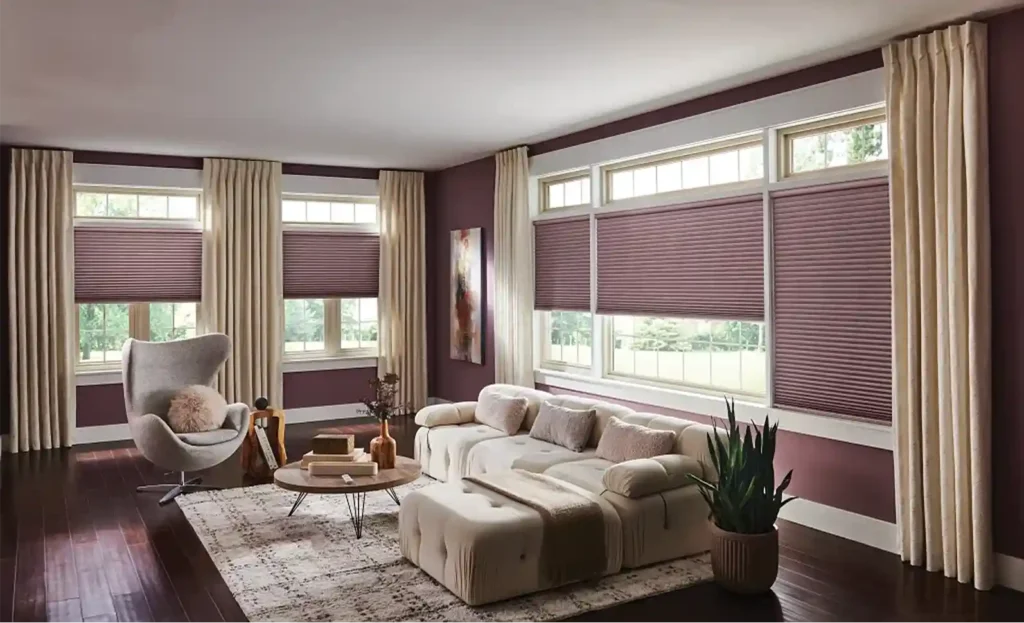
What Are Window Treatments? A Quick Guide for Homeowners
Window treatments are coverings installed on or around windows to control light, add privacy, improve insulation, and enhance the look of a room. Here are the main types at a glance:
| Type | Best For | Light Control |
|---|---|---|
| Blinds | Any room, clean look | Adjustable |
| Shades | Bedrooms, living rooms | Light-filtering to blackout |
| Curtains | Casual, everyday spaces | Sheer to room-darkening |
| Drapes | Formal rooms, insulation | Room-darkening to blackout |
| Shutters | Kitchens, bathrooms | Highly adjustable |
Choosing the right window treatment can feel overwhelming. There are dozens of styles, materials, and light-control options — and the wrong choice can mean wasted money and a room that just doesn’t come together.
The good news? Once you understand the basics, the decision gets much easier.
Whether you want to block morning light in your bedroom, add warmth to your living room, or give your kitchen a polished finish, there’s a window treatment built for the job.
I’m Jean Hauser, owner of The Color House — Rhode Island’s premier design retailer — and over more than two decades in the paint and design industry, I’ve helped countless homeowners find the perfect window treatments to elevate their spaces. In the sections below, I’ll walk you through everything you need to make a confident, informed choice.
Window treatments word list:
Choosing the Right Window Treatments for Your Home
Selecting the ideal window treatments is about more than just picking a color that matches your rug. It is a balancing act between aesthetics and utility. For many of our neighbors in North Kingstown, Cranston, and throughout Rhode Island, the goal is to find a solution that offers privacy from the street while still letting that beautiful New England morning sun filter through.

When you begin your search, start by asking yourself what the primary “job” of the window is. Is it to provide a total blackout for a nursery? Is it to insulate a drafty historic window in Middletown? Or is it simply to act as “jewelry” for the room, adding texture and softness to a minimalist design? At The Color House, we provide individualized window treatment services to help you navigate these questions.
The material you choose plays a massive role in both the look and the longevity of your investment. Here are some of the most common materials you will encounter:
- Faux Wood: Highly durable and moisture-resistant, making it perfect for high-humidity areas.
- Linen: Offers a light, airy, and casual feel that works beautifully in coastal Rhode Island homes.
- Velvet: A heavy, luxurious fabric that provides excellent insulation and a formal, dramatic look.
- Cellular Fabric: Specifically designed with “honeycomb” pockets to trap air and improve energy efficiency.
- Polyester: A versatile, easy-to-clean option available in nearly every color and pattern imaginable.
Understanding Different Types of Window Treatments
To choose the best fit, you need to know the players. While many people use the terms interchangeably, blinds, shades, and shutters each offer unique benefits.
Blinds are characterized by their slats—horizontal or vertical pieces that can be tilted to control the angle of light. Faux wood blinds are a perennial favorite because they offer the warmth of real wood without the risk of warping in the Rhode Island humidity. For larger windows or sliding glass doors, vertical blinds or panel tracks are often the most practical choice. If you are looking for a sleek, budget-friendly option, mini-blinds offer a slim profile that fits well in shallow window frames.
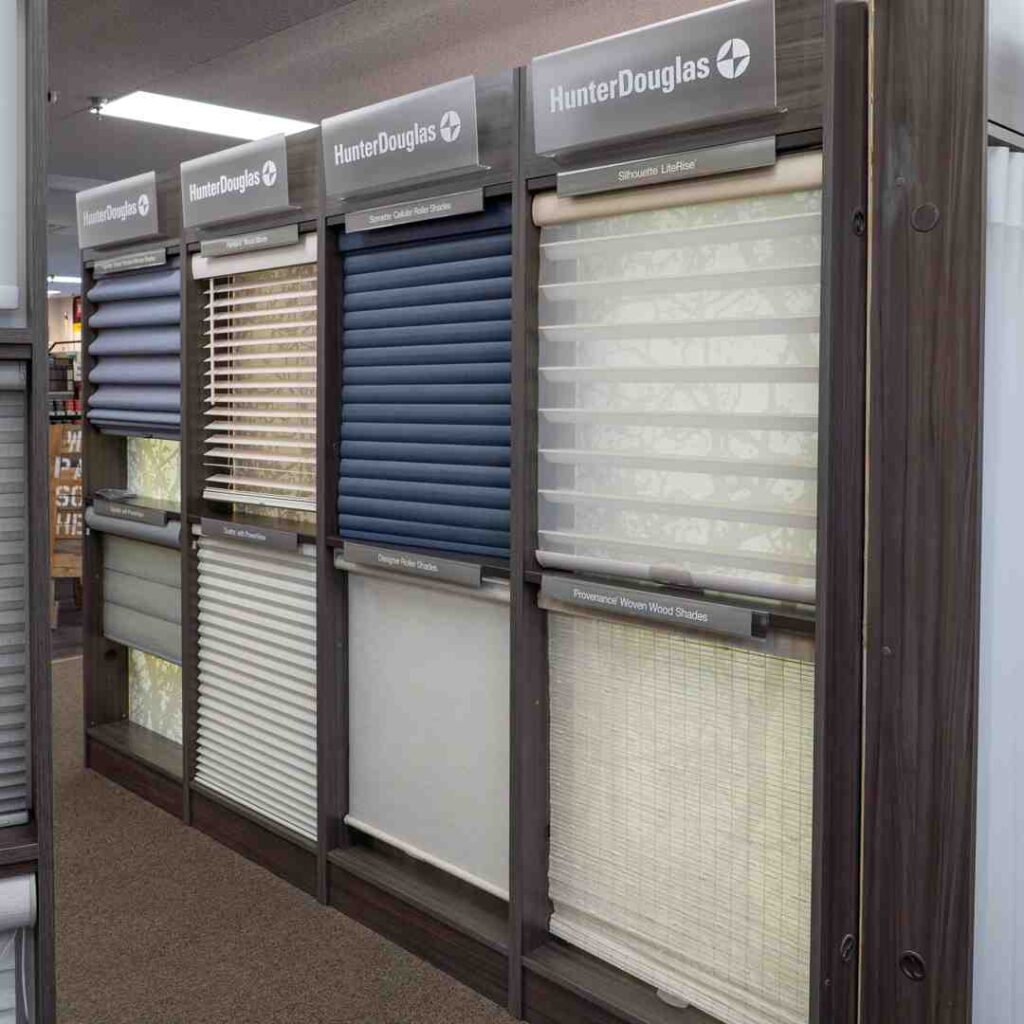
Shades, on the other hand, are typically made from a solid piece of fabric or material. They roll, fold, or stack upward. Cellular shades (also known as honeycomb shades) are the champions of insulation, while Roman shades offer the soft look of drapery with the easy operation of a blind. For those who want the best of both worlds, day and night blinds combine sheer and opaque fabrics to give you total control over your environment.
Shutters are often considered the “gold standard” of window treatments. They are a permanent architectural feature that can actually increase the resale value of your home. Plantation shutters, with their wide slats, offer a timeless look and incredible durability.
Whether you are leaning toward the crisp lines of blinds and shades or the classic appeal of shutters, we can help you find custom window blinds, shades, and shutters that are measured to fit your home perfectly.
Curtains vs. Drapes: Style and Functionality
One of the most frequent questions we hear at our showrooms in Wakefield and Smithfield is: “What is actually the difference between a curtain and a drape?”
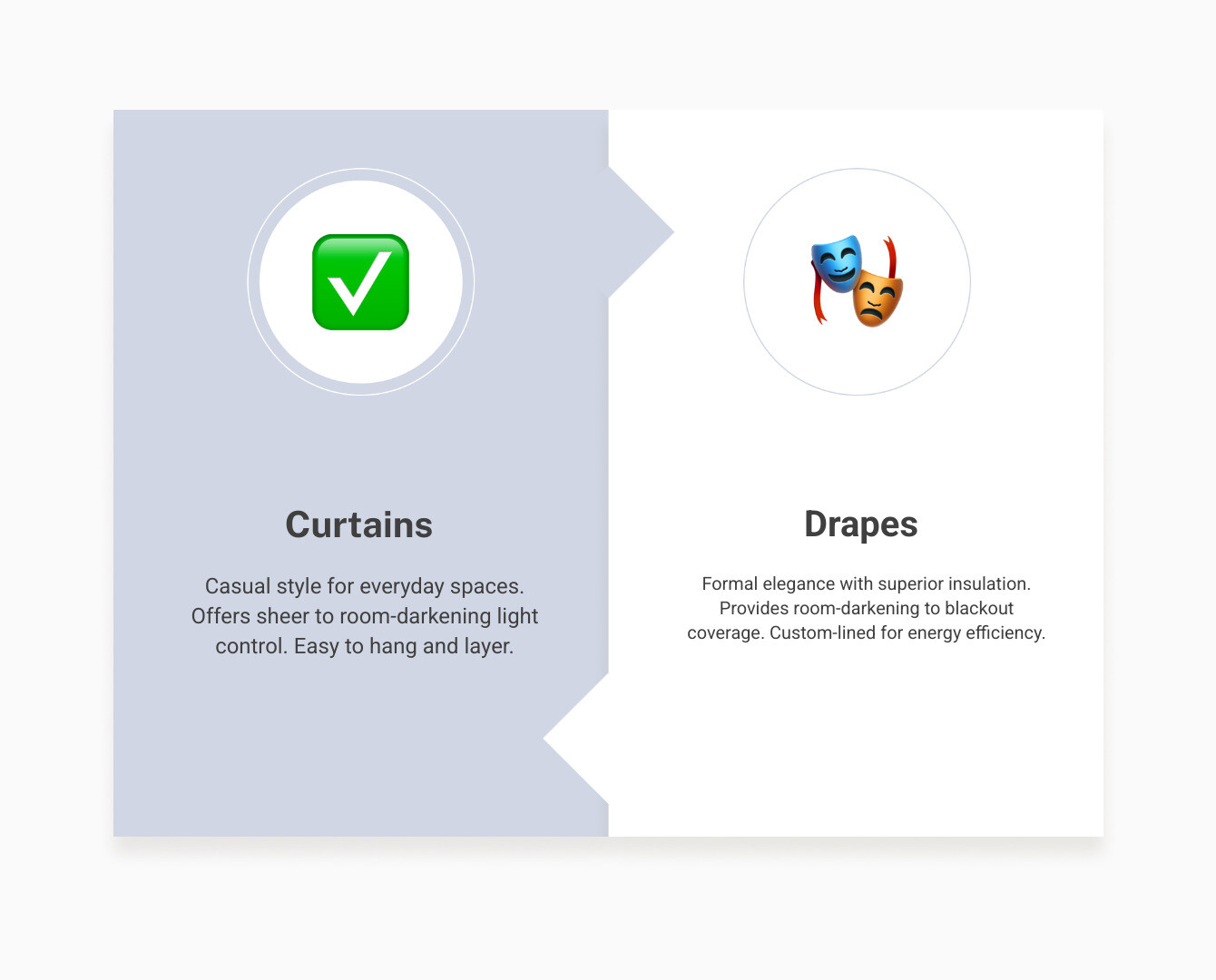
While they look similar, the distinction usually comes down to weight, lining, and formality. Curtains are typically unlined, made of lighter fabrics like cotton or sheer linen, and are sold in pairs or single panels. They are perfect for a casual kitchen or a “breezy” bedroom look.
Drapes, however, are the “heavy hitters.” They are almost always lined, often with room-darkening or thermal material. This lining gives them a heavier “fall” and a more formal appeal. Drapes are usually floor-length and are often used in dining rooms or primary bedrooms where light control and insulation are top priorities. You can explore drapes and curtains at The Color House to see the difference in person.
One way to elevate the look of your drapes is through the “header” or the way they hang on the rod. A pinch pleat drapery style, for example, uses sewn-in pleats at the top to create a tailored, high-end look that never goes out of style.
| Feature | Curtains | Drapes |
|---|---|---|
| Fabric Weight | Lightweight (Linen, Cotton) | Heavyweight (Velvet, Silk) |
| Lining | Usually unlined | Always lined |
| Formality | Casual, airy | Formal, dramatic |
| Length | Can be sill or floor length | Usually floor length or “puddled” |
| Function | Decorative, light filtering | Insulation, light blocking |
Light Control and Privacy with Window Treatments
How much light do you actually want in your room? This is the most practical question you’ll answer.
- Sheer: These fabrics diffuse sunlight, creating a soft glow while allowing you to see outside. They offer minimal privacy at night when the lights are on inside.
- Light-Filtering: These allow some light through but block the direct view into your home. They are great for living rooms where you want brightness without the glare on the TV.
- Room-Darkening: These significantly reduce light but may not eliminate it entirely. They are excellent for nurseries or bedrooms.
- Blackout: For the ultimate sleep experience, blackout treatments block 99% of incoming light. For the best results, we recommend blackout shades with side tracks to eliminate those annoying “light leaks” that peek through the edges of the window.
Practical Considerations: Measuring, Installation, and Trends
Once you’ve picked your style, it’s time for the technical part: making sure they actually fit. There is an old saying in the industry: “Measure twice, order once.” This is especially true for custom window treatments where a fraction of an inch can be the difference between a perfect fit and a costly mistake.
DIY Measuring vs. Professional Installation
If you are a seasoned DIYer, you can certainly handle the measuring yourself. For blinds and shades, you need to decide if you want an inside mount (the treatment sits inside the window frame) or an outside mount (it sits on the wall above the window). Inside mounts provide a clean, built-in look, but they require very precise measurements and enough depth in your window frame.
For those looking to hang fabric, learning how to measure for drapery is essential. A common pro tip: hang your curtain rod 4 to 6 inches above the window frame (or even higher, near the ceiling) to make your room feel taller and your windows look larger.
However, if you have large, heavy, or hard-to-reach windows, professional installation is often worth the investment. Our team at The Color House ensures that every bracket is secured into a stud and every treatment operates smoothly, saving you the headache of crooked blinds or falling rods.
Room-by-Room Selection Guide
Every room has its own personality—and its own set of requirements:
- Bedroom: Privacy and light control are king here. Layering is a popular trend; try a blackout cellular shade for sleep, topped with sheer curtains for a soft, daytime look.
- Kitchen: Look for moisture-resistant materials like faux wood or easy-to-clean solar shades. Avoid heavy fabrics that might absorb cooking odors.
- Bathroom: Privacy is the non-negotiable factor. Faux wood shutters or top-down/bottom-up shades are perfect, as they allow you to lower the top for light while keeping the bottom closed for privacy.
- Dining Room: This is where you can have fun with dining room drapery to create a space that “wows” your guests during holiday dinners.
- Living Room: Focus on glare reduction and energy efficiency. In our local climate, choosing energy-efficient treatments can help keep your home warm during those chilly Rhode Island winters and cool during the humid summers.
The Benefits of Custom and Motorized Solutions
We are living in the age of the smart home, and window treatments have joined the revolution. Motorized solutions are no longer just a luxury for the ultra-wealthy; they are a practical choice for modern living.
Imagine being able to close every shade in your house with a single tap on your smartphone, or scheduling your shades to open automatically with the sunrise. Motorization is particularly beneficial for:
- Hard-to-reach windows: Such as those in high foyers or behind large bathtubs.
- Safety: Motorized treatments are cordless, making them the safest option for homes with small children or pets.
- Energy Savings: You can set your shades to close during the hottest part of the day to keep your cooling costs down.
At The Color House, we are proud to offer premium brands that lead the industry in innovation. You can find more info about Hunter Douglas treatments, which are world-renowned for their PowerView® Automation system. We also provide an essential guide to Graber window shades, another top-tier brand that offers a wide array of motorized and custom options.
Ready-Made vs. Custom: Which is Right for You?
While big-box stores offer ready-made options that you can take home today, there are significant advantages to going custom. Ready-made curtains often come in standard lengths that might leave your windows looking “high-water” or require you to hem them yourself. Custom treatments are tailored to your exact specifications, ensuring the fabric hits the floor exactly where you want it and the blinds fit snugly within the frame. Plus, custom options give you access to thousands of fabrics and finishes that you simply won’t find on a retail shelf.
Conclusion: Elevating Your Space with The Color House
Your windows are the eyes of your home, and the right window treatments are the perfect frame. Whether you are looking for the sleek, modern look of motorized roller shades or the timeless elegance of velvet drapes, the right choice will make your home more comfortable, more private, and more beautiful.
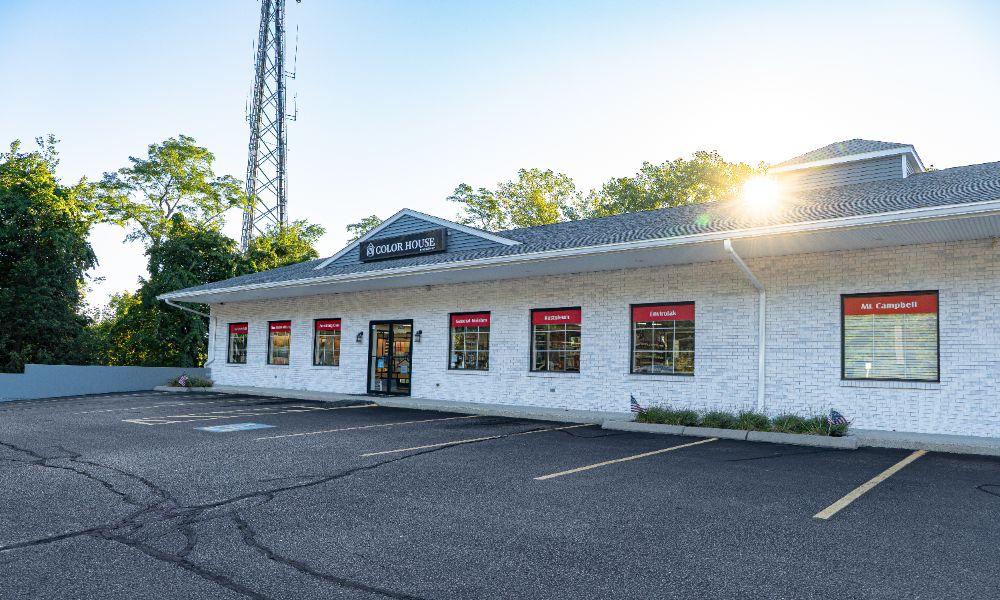
At The Color House, we take pride in being a women-owned, local business that offers a personalized alternative to the big-box experience. From our locations in North Kingstown, Cranston, Wakefield, Middletown, and Smithfield, we provide the expert advice and premium brands like Hunter Douglas and Graber that Rhode Island homeowners trust.
Don’t settle for “off-the-shelf” when you can have a solution that is as unique as your home. Our team is ready to help you navigate the colors, textures, and technologies that will transform your space.
Ready to get started? Visit us at one of our showrooms in North Kingstown or Cranston today.