What Is Armstrong Clark Black Walnut and Why Does Your Deck Need It?
Armstrong Clark Black Walnut is a semi-transparent, oil-based exterior wood stain specially formulated for exotic hardwoods like IPE, as well as softwoods like redwood and cedar. Here’s a quick summary:
- Color: Rich, dark walnut tone that enhances natural wood grain
- Best for: IPE, exotic hardwoods, redwood, cedar, pressure-treated pine, and deck surfaces
- Coverage: ~400 sq ft per gallon on hardwoods; 150-200 sq ft on softwoods
- Coats needed: One thin coat for hardwoods; a second coat is possible for softwoods
- Key benefits: UV protection, water repellency, deep oil penetration, low maintenance
- Available in: 1-gallon and 5-gallon sizes
- For outdoor use only — not suitable for indoor application
Choosing the wrong stain for your deck is an expensive mistake. Many homeowners apply the wrong product to dense hardwoods like IPE and end up with poor penetration, fast fading, and peeling finishes that need stripping within a year or two.
The problem? Most stains aren’t built for the challenge.
Exotic hardwoods are dense. They don’t absorb stain the way softer woods do. That’s why Armstrong Clark developed a dedicated hardwood formula — using heavily bodied oils designed to push through that density and actually protect the wood from the inside out.
Black Walnut is one of just three colors in that specialized hardwood line, alongside Mahogany and Amber. And for homeowners who want a deep, rich finish that lets the natural grain show through, it’s often the go-to choice.
I’m Douglas Caniglia, Director of Commercial and Industrial Sales at The Color House, and I’ve guided countless contractors and homeowners through selecting high-performance coatings — including Armstrong Clark Black Walnut — for projects where durability and finish quality aren’t negotiable. In the sections below, I’ll walk you through exactly how this stain works, how to apply it, and how to keep your deck looking great year after year.
The Superior Protection of Armstrong Clark black walnut
When we talk about wood protection, we often focus on the surface. We want to see water bead up, and we want the color to stay vibrant. But at The Color House, we know that true protection starts beneath the surface. This is where Armstrong Clark black walnut truly shines, especially compared to standard hardware store stains.
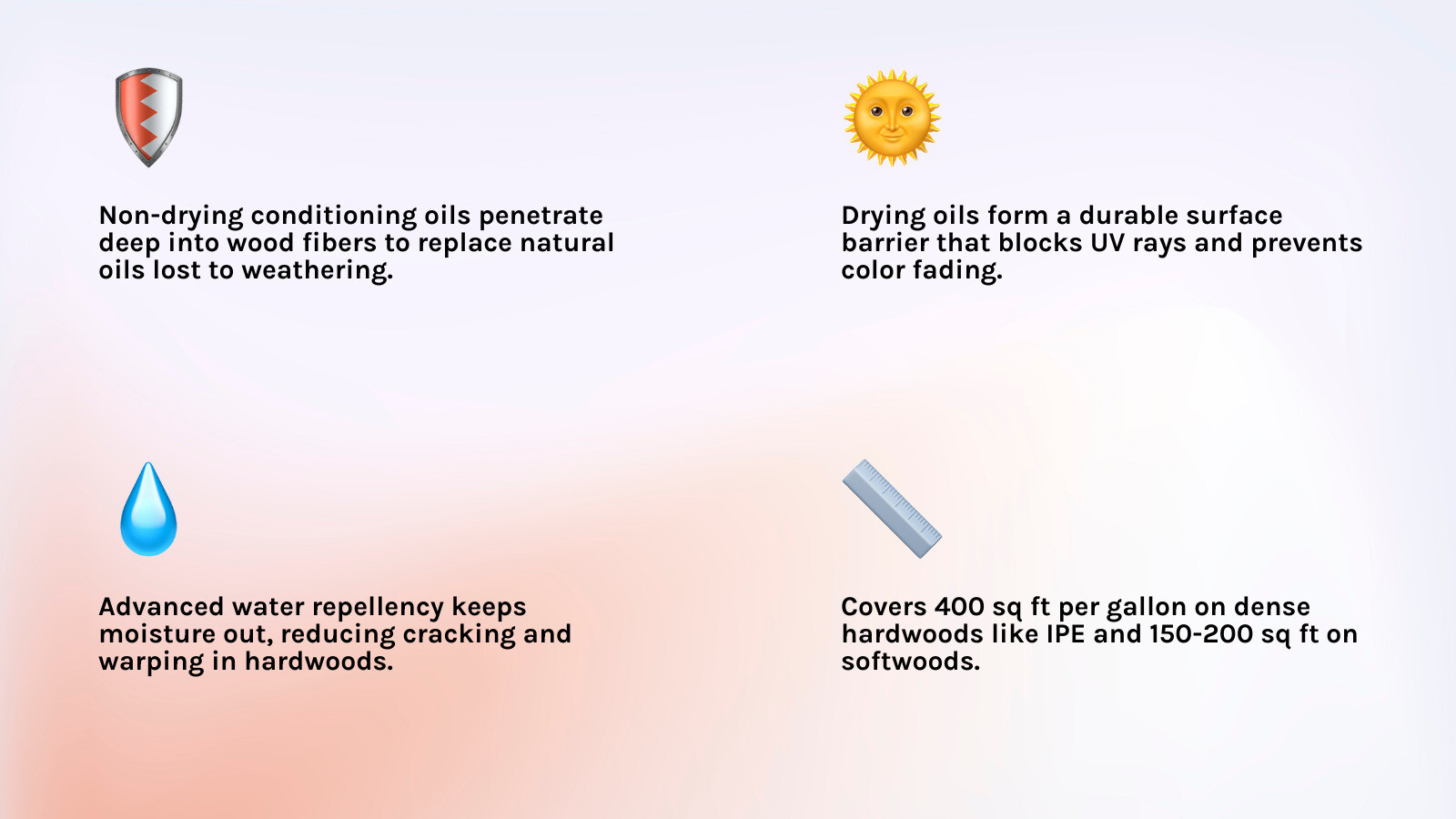
The magic lies in the “Two-Part Oil System.” Most stains use a single type of oil that dries on the surface. Armstrong Clark uses a combination of non-drying conditioning oils and drying oils. The non-drying oils are light-bodied; they dive deep into the wood fibers, replacing the natural oils that the sun and rain have leached out over time. This rejuvenates the wood from within, preventing it from becoming brittle and cracking.
Meanwhile, the drying oils stay at the surface. They lock in those conditioning oils and create a tough, dry-to-the-touch barrier. This barrier is what provides the water repellency and UV protection we all want. Because the oils actually penetrate rather than just sitting on top like a plastic film, you won’t experience the peeling or cracking common with inferior products.
Comparing the Hardwood Tones
Armstrong Clark offers three primary colors in their specialized hardwood line. Choosing between them depends on the aesthetic you want for your outdoor space:
| Color | Tone & Appearance | Best Use Case |
|---|---|---|
| Amber | Light, yellowish-brown. | Highlighting the natural, lighter tones of IPE or Cedar. |
| Mahogany | Deep red tones. | Bringing out the classic “red” look in Mahogany or Tigerwood. |
| Black Walnut | Rich, dark brown. | Achieving a sophisticated, high-end furniture look on exotic woods. |
Armstrong Clark black walnut is particularly unique because it offers a “Semi-Transparent” look that provides a balance between seeing the beautiful wood grain and providing enhanced UV masking properties. Since it is more heavily pigmented than the Amber tone, it naturally offers superior UV protection—in fact, darker tones generally last longer in the direct Rhode Island sun because the pigments act as a shield for the wood fibers.
Whether you are working with IPE, Cumaru, Tigerwood, or even high-quality softwoods like Redwood and Cedar, Semi-Trans Black Walnut provides a finish that looks like it belongs in a luxury magazine. It’s a favorite among our customers in Middletown and Wakefield who want their coastal decks to withstand the salt air and intense sun exposure without losing that “just stained” luster.
If you’re curious about how this compares to other options, you can explore our full range of Wood Stains to see which formula fits your specific project needs.
Application Guidelines for Armstrong Clark black walnut
Applying a high-quality stain like Armstrong Clark black walnut requires a slightly different approach than the “slap it on” method used for cheap fence stains. Because this product is designed for dense woods, “less is more” is the golden rule.
The Hardwood Method
For hardwoods like IPE or Mahogany, you should apply only one sparingly thin coat. These woods are so dense that they simply cannot absorb a second coat. If you apply too much, the excess oil will sit on the surface, remain tacky, and eventually turn into a shiny, sticky mess that attracts dirt.
We highly recommend using a stain pad for hardwood applications. A roller is generally not recommended for hardwoods because it tends to apply too much material. By using a stain pad or a high-quality natural bristle brush, you can work the oil into the grain effectively.
The Softwood Method
If you’re using Armstrong Clark black walnut on softwoods like Cedar or Pressure-Treated Pine, the wood is much more porous. In this case, you can apply a second coat for extra protection—but only if the first coat soaks in completely within 60 minutes. If it’s still wet after an hour, the wood is “full,” and you should not add more.
Coverage and Preparation
One of the most impressive stats about this product is its coverage. On dense hardwoods, a single gallon covers approximately 400 square feet. On more porous softwoods, you can expect between 150-200 square feet per gallon.
Before you even open the can, preparation is key. We always tell our clients in Smithfield and Cranston: your finish is only as good as your prep.
- Clean and Brighten: Even if the wood looks okay, use a wood cleaner and brightener to open up the pores and remove graying fibers.
- Strip Old Finishes: You cannot apply Armstrong Clark over a water-based stain or a film-forming product. If there’s an old finish, it must be stripped or sanded off entirely.
- Check Moisture: One of the unique features of Armstrong Clark is that it can be applied to wood with up to 20% moisture content. However, for the best results, we recommend a dry window of at least 24 hours.
For more detailed specs and color options, check out the Armstrong Clark Hardwood Colors guide or browse our Armstrong Clark Stain collection directly.
Coordinating Your Deck with Indoor Window Treatments
At The Color House, we don’t just think about the outside of your home. We believe in a cohesive design that flows from your outdoor living space right into your living room. When you choose a bold, sophisticated color like Armstrong Clark black walnut for your deck, it creates a stunning visual anchor for your home’s exterior. Why not bring that warmth inside?
Imagine sitting in your North Kingstown home, looking out through your sliding glass doors at a perfectly stained Black Walnut deck. The transition is even more seamless when your indoor window treatments—such as custom wooden blinds, Roman shades, or shutters—match those deep, rich walnut tones.
We specialize in premium indoor blinds and draperies that can be customized to complement your wood finishes. Our collection includes everything from motorized cellular shades for modern convenience to handcrafted wood blinds that can be custom-stained to echo the grain of your deck. Whether you prefer the classic look of stained wood or elegant draperies that frame the view of your outdoor oasis, our designers can help you find the perfect match.
Coordinating these elements creates a sense of “interior-exterior” flow that makes your home feel larger and more intentionally designed. If you’re feeling overwhelmed by color choices, we offer a color-consultation service where our experts can visit your home and help you coordinate your deck stain with your interior paint and window treatments. You can also find More info about window treatments on our website to see how we can transform your indoor space.
Maintenance and Longevity of Armstrong Clark black walnut
The biggest “selling point” for many of our professional contractors is how easy it is to maintain an Armstrong Clark deck. Because the stain does not peel or crack, you don’t have to spend days sanding it back to bare wood every few years.
Annual Maintenance for Exotic Woods
For dense hardwoods like IPE, we generally recommend a quick maintenance “refresh” once a year. Because the wood is so dense, it can only hold a small amount of oil, which the sun will eventually bake out.
- The Process: Give the deck a light cleaning with soapy water or a very mild wood cleaner to remove pollen and tree debris. Once dry, apply a very thin maintenance coat of Armstrong Clark black walnut.
- The Benefit: No stripping required! The new oil will simply blend into the old oil, rejuvenating the protection.
Dealing with the Elements
Rhode Island weather can be unpredictable. Fortunately, Armstrong Clark is formulated to be rain-resistant in as little as one hour after it has fully absorbed into the wood. This is a lifesaver during our humid summers when a stray afternoon shower is always a possibility.
If your deck is under heavy tree cover, you’ll want to sweep away leaves and debris regularly. Organic matter sitting on a stained surface can lead to mold or mildew growth over time. If you do notice some dirt buildup, a simple rinse with a garden hose is usually all it takes to keep the Black Walnut color looking sharp.
As the seasons change, it’s important to Stain Your Deck Before RI Cooler Weather hits. Applying your stain in the late summer or early fall ensures the wood is protected against the harsh winter snow and ice that we know all too well in Smithfield and Middletown.
Conclusion
Your deck is an extension of your home—a place for summer barbecues, quiet morning coffees, and family gatherings. It deserves a level of protection that matches the investment you’ve made in your property. By choosing Armstrong Clark black walnut, you aren’t just “painting” your deck; you’re conditioning the wood, shielding it from the elements, and enhancing its natural beauty with a rich, timeless color.
At The Color House, we take pride in being more than just a paint store. We are a women-owned business with deep roots in Rhode Island, offering everything from premium deck stains to custom indoor window treatments. From our locations in North Kingstown and Cranston to Wakefield, Middletown, and Smithfield, we offer the largest inventory in the state coupled with the personalized service you deserve.
Whether you’re a DIY homeowner tackling your first IPE project or a professional contractor looking for a reliable finish, we’re here to help. Stop by one of our stores today to see samples of Armstrong Clark black walnut in person, or reach out to us for a design consultation to coordinate your deck with new indoor blinds and draperies. Let’s make your home the envy of the neighborhood!