Why Armstrong-Clark Wood Stains Stand Out for Rhode Island Homes
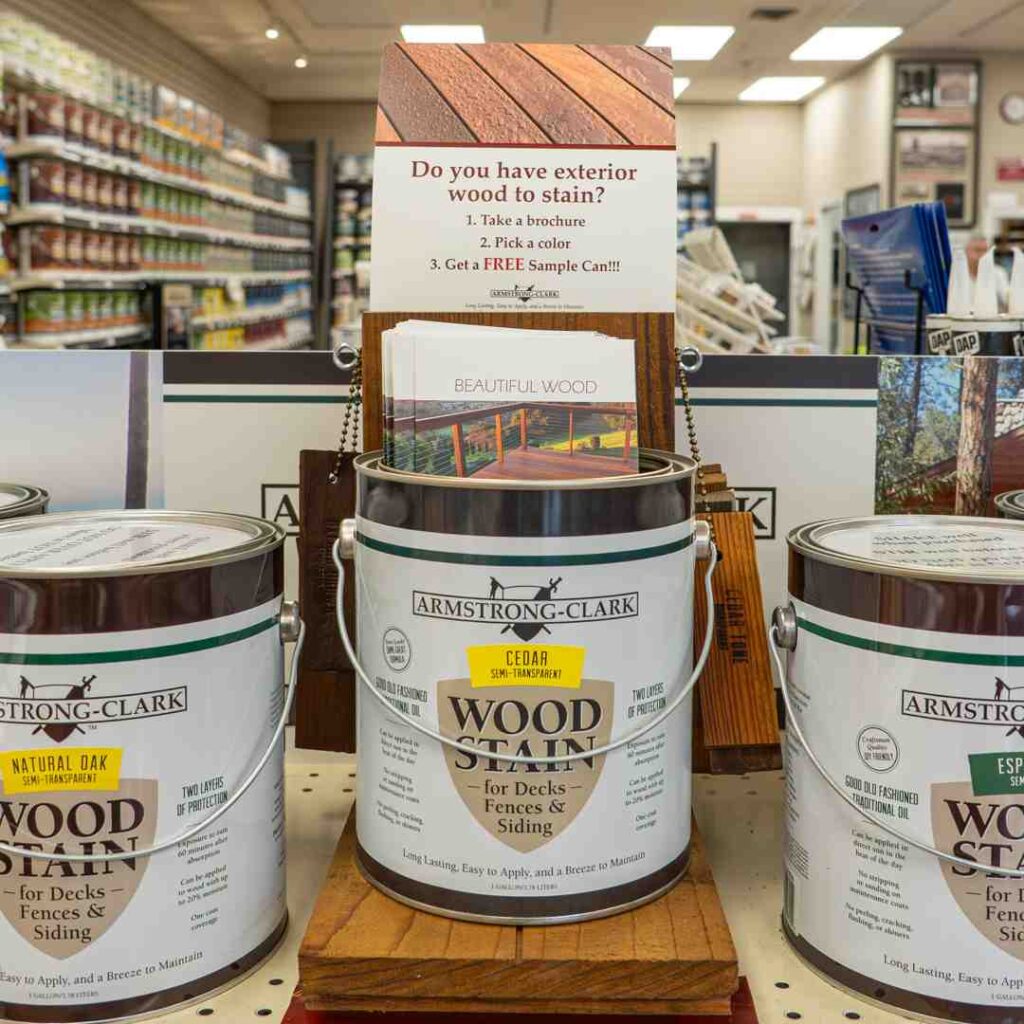
Armstrong-Clark Wood Stains are premium oil-based wood finishes designed for homeowners who want lasting protection and easy maintenance for their interior wood surfaces, particularly window treatments. Here’s what makes them unique:
- Dual-layer protection system: Uses both penetrating conditioning oils and surface-drying oils in a single application
- No peeling or cracking: Unlike film-forming stains, Armstrong-Clark penetrates deep into wood fibers
- Works on high-moisture wood: Can be applied to wood with up to 20% moisture content
- VOC compliant in all 50 states: Traditional oil-based formula that meets environmental standards
- Multiple transparency levels: Available in transparent, semi-transparent, and semi-solid finishes
- Wide color range: From natural tones to rich hues like Mahogany, Cedar, and Black Walnut
What makes Armstrong-Clark different from other stains?
The formula uses a unique oil separation process. Non-drying conditioning oils penetrate deep into the wood to restore natural moisture and flexibility. Meanwhile, drying oils cure on the surface to create a protective barrier against UV rays and water damage. This gives you two layers of protection with a single brush stroke.
The stain works exceptionally well on interior wood elements like shutters, wooden blinds, and window frames that complement your draperies. It’s also forgiving during application—you can work in direct sunlight without flash drying, and there’s no need for back-brushing or wiping on most applications.
I’m Douglas Caniglia, Director of Commercial and Industrial Sales at The Color House, where I’ve helped countless Rhode Island homeowners select the right coatings for their interior wood projects, including premium options like Armstrong-Clark Wood Stains. With over 60 years of combined experience at The Color House, we provide the expert guidance you need to make confident decisions about protecting your home’s wooden surfaces.
Why Choose Armstrong-Clark Wood Stains for Your Home?
When we talk to our neighbors in North Kingstown or Middletown about wood protection, the conversation usually turns to longevity. We’ve all seen what happens when a subpar stain meets the humid Rhode Island air—peeling, cracking, and a lot of weekend-ruining sanding. That is exactly why we recommend Armstrong Clark Stain for interior wood window treatments.
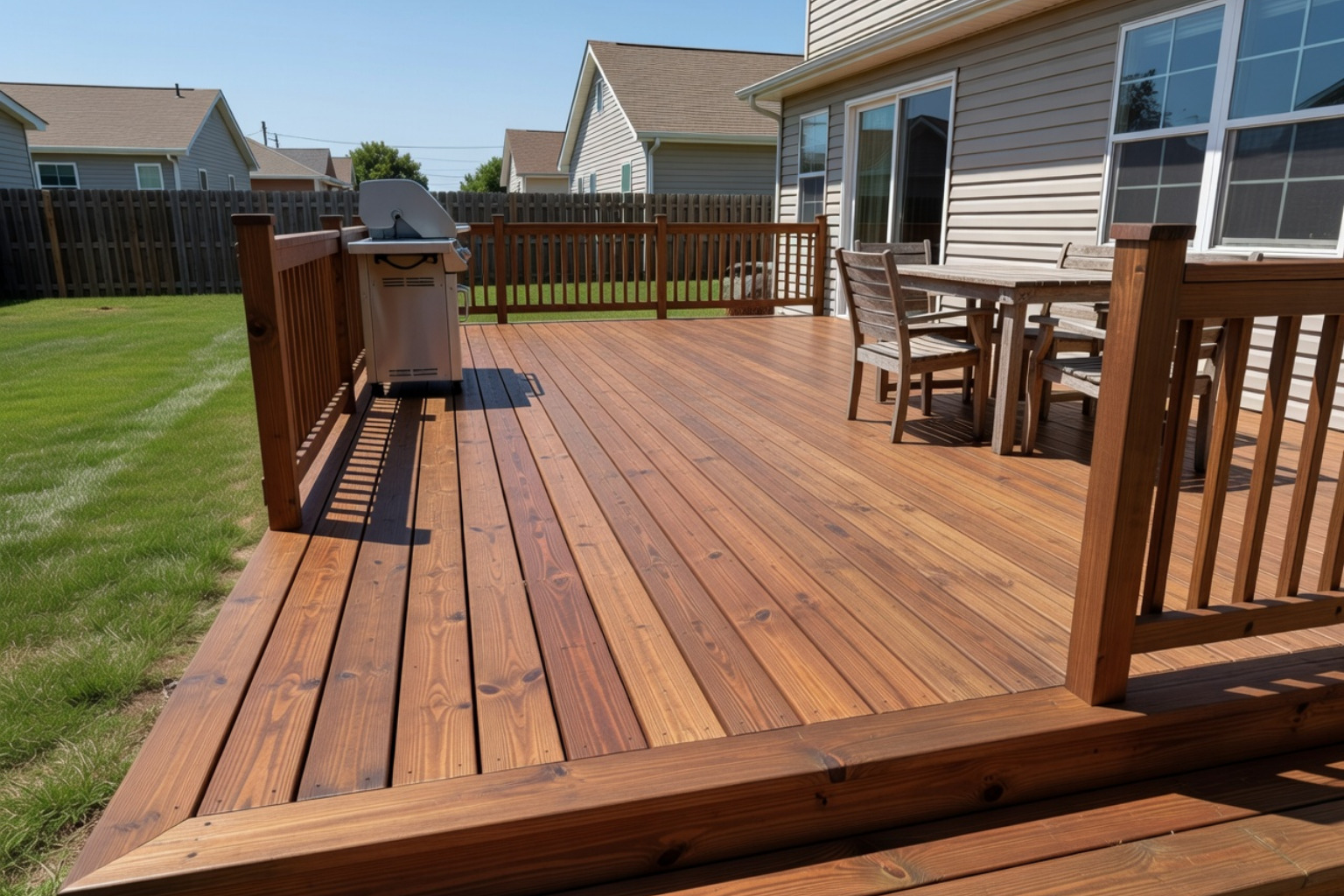
What makes Armstrong-Clark Wood Stains so special is their “living” formula. Most stains are designed to sit on top of the wood like a plastic wrap. Armstrong-Clark, however, uses non-drying conditioning oils that dive deep into the wood fibers. This is crucial for interior wood window treatments like shutters and blinds that might be exposed to intense afternoon sun through glass. The conditioning oils keep the wood from becoming brittle, while the drying oils lock in the beauty.
As a women-owned business, we at The Color House appreciate products that are safe for the whole family. This Oil Based Stain | Armstrong-Clark is fully VOC compliant in all 50 states. This means you get the heavy-duty protection of a traditional oil-based formula without the harsh environmental impact or the overwhelming odors often associated with old-school solvents.
Furthermore, the moisture tolerance of this product is a game-changer. While many stains require the wood to be bone-dry, Armstrong-Clark can be applied to wood with up to 20% moisture content. In our coastal climate, where humidity is just a way of life, this flexibility is a massive advantage for any home project involving wooden blinds or shutters.
Unique Benefits of Armstrong-Clark Wood Stains
If you dive into the Safety Data Sheet, you’ll see that this isn’t just a bucket of chemicals. It’s a sophisticated blend of vegetable oils, high-quality pigments, and mildewcides. These ingredients work together to provide a level of water repellency and UV protection that is hard to beat for window-facing wood.
At The Color House, we know that Wood Stains need to do more than just look pretty. They have to defend the wood. The unique formula of Armstrong-Clark provides:
- Deep Penetration: Rejuvenates old, dry wood by replacing lost natural oils.
- No “Flash Drying”: You can apply it in direct sunlight—even in the heat of a Cranston summer day—without worrying about the stain drying too quickly and leaving lap marks on your shutters.
- Low Maintenance: Because it doesn’t form a film on the surface, it won’t peel. When it’s time for a refresh, you usually don’t need to strip or sand; just a light cleaning and a new coat will do.
- Environmental Friendliness: It meets all government environmental standards and lacks the offensive odors that make some interior projects a headache.
Transparency Levels and Color Options
Choosing the right look for your home is often the most exciting (and sometimes the most stressful) part of the process. Armstrong-Clark Wood Stains come in several “opacities,” which is just a fancy way of saying how much of the wood grain you can see.
| Transparency Level | Best For | Visual Effect |
|---|---|---|
| Transparent | High-end hardwoods (Ipe, Mahogany) | Highlights the natural grain with minimal pigment; allows the wood’s character to shine. |
| Semi-Transparent | Softwoods and interior window treatments | Provides a balance of color and grain visibility; offers excellent UV protection. |
| Semi-Solid | Older wood or high-UV areas | Hides more imperfections while still allowing the texture of the wood to be felt. |
You can explore the full range of Colors & Products to find the perfect match for your interior. Popular choices among our Rhode Island customers include:
- Amber: A warm, honey-like glow that looks stunning on lighter woods.
- Cedar Tone: A classic, rich reddish-brown that brings a cozy feel to any room.
- Mahogany: Deep, sophisticated, and perfect for elegant window treatments.
- Black Walnut: A dark, modern choice for a bold interior statement.
- Driftwood Gray: Perfect for that coastal, weathered look that is so popular in Wakefield and Middletown.
For technical details on how these pigments behave, the Product Data Sheet provides a wealth of information on application and expectations.
Versatility Across Wood Species
Whether you are working with exotic hardwoods or common softwoods, Armstrong-Clark has a solution for your window treatments.
- Hardwoods (Ipe, Cumaru, Mahogany): These woods are incredibly dense. Armstrong-Clark has a specific “Hardwood” formula designed to penetrate these tight grains where other stains would just sit on the surface and become sticky.
- Softwoods (Pine, Cedar, Redwood): These are more porous and “thirsty.” They drink up the conditioning oils, which helps prevent the warping and cracking common in New England homes.
- Pressure Treated Pine: While less common for interior blinds, this wood requires a stain that can handle the chemical treatments used during the manufacturing process.
Understanding your wood porosity is key. A very old, weathered piece of wood will soak up much more stain than a brand-new, smooth-planed board. We always recommend testing a small, inconspicuous area first to see how the color develops.
Application and Maintenance for Interior Wood Elements
Applying Armstrong-Clark Wood Stains is surprisingly straightforward, which is why it’s a favorite for both DIYers and professionals. Because the formula is designed to penetrate, you aren’t fighting to create a perfect “film” on top of the wood.
Before you begin, surface preparation is vital. The wood needs to be clean and free of any old film-forming stains that might block the oil from soaking in. If you’re wondering Where to Buy the necessary cleaners or the stain itself, we have you covered at any of our Rhode Island locations.
Once the wood is clean, give it 24 to 48 hours of drying time. Even though Armstrong-Clark is moisture-tolerant, you’ll get the best penetration on dry wood. During application, “back-brushing” is your best friend. This simply means using a brush to work the stain into the grain after you’ve applied it. It ensures an even finish and helps those conditioning oils get where they need to go.
Applying Armstrong-Clark Wood Stains to Blinds and Shutters
Indoor window treatments like wooden blinds and shutters require a delicate touch. You want the protection of a professional-grade oil, but you don’t want a mess.
Here is our recommended process for staining interior window elements:
- Preparation: Remove the blinds or shutters if possible. It’s much easier to work on a flat surface.
- Tools: Use a high-quality natural bristle brush or a stain pad. For intricate slats on blinds, a small stain pad can save you hours of work.
- The Wiping Technique: For interior furniture and window treatments, we recommend applying one coat and then wiping off any excess after about an hour. This prevents “rub-off” on your hands or curtains later.
- Heat and Sun: One of the coolest features of Armstrong-Clark is its heat resistance. If you are staining shutters that sit in a window with high solar gain, this stain won’t soften or become tacky like some cheaper options.
Coverage and Long-Term Performance
How much stain do you actually need? Generally, you can expect a coverage rate of 150-250 sq. ft. per gallon for the first coat. If you find the wood is particularly thirsty and you apply a second coat, that coverage increases to about 200-300 sq. ft. per gallon because the wood is already partially saturated.
According to the Product Data Sheet Semi-Transparent, the performance over time is where this product truly shines. In independent 2-year testing, Armstrong-Clark consistently scores high marks (often 8/10 or higher) for:
- UV Graying Prevention: Keeping the wood looking like wood, not weathered driftwood.
- Wear and Tear: Standing up to frequent handling of shutters and blinds.
- Ease of Reapplication: Since it doesn’t peel, you don’t have to spend your weekend with a sander when it’s time to refresh the look.
Professional Tips for a Flawless Finish
We’ve seen a lot of projects over the years at The Color House, and a few small tips can make the difference between a “good” job and a “magazine-worthy” one.
- Sample Testing: Never skip this! Wood is a natural product, and the same “Cedar Tone” will look different on pine than it does on oak. We offer sample sizes so you can be 100% sure.
- Color Blending: Did you know you can intermix Armstrong-Clark colors? If you want something halfway between Amber and Mahogany, you can mix them to create a custom hue for your home.
- Cleanup: Since this is an oil-based product, you’ll need mineral spirits for your brushes and any accidental drips.
- Shelf Life: If you have leftover stain, don’t toss it! Unopened, it lasts about 3 years. If opened and resealed tightly, it’s good for about a year.
- The Color House Advantage: When you’re looking for Where to Buy Oil-Based Wood Stains, we offer more than just a product on a shelf. We provide individualized service and expert advice tailored to the Rhode Island climate. Whether you’re in Smithfield or Wakefield, our team is here to help you calculate exactly how much you need and which tools will make the job easiest.
Protecting the wood in your home is an investment in your property’s beauty and value. By choosing Armstrong-Clark Wood Stains, you’re choosing a product backed by five generations of experience and a formula that truly understands how wood behaves. Stop by any of our locations in North Kingstown, Cranston, Wakefield, Middletown, or Smithfield to see the colors in person and chat with our experts. We can’t wait to help you bring your vision to life!